


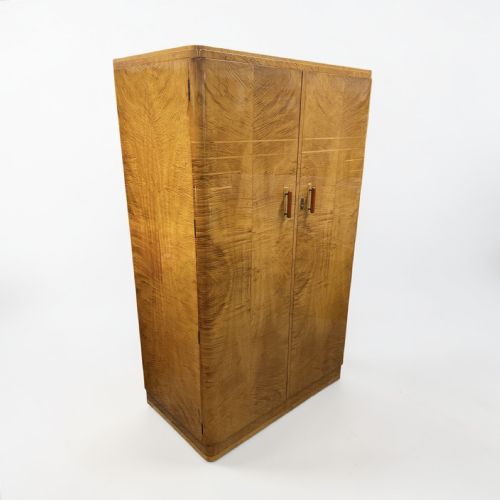


Art Deco Linen Press
An art deco linen press offers striking geometric storage for the bedroom, combining rich wood veneers with purposeful compartment design.

Art Deco Linen Press
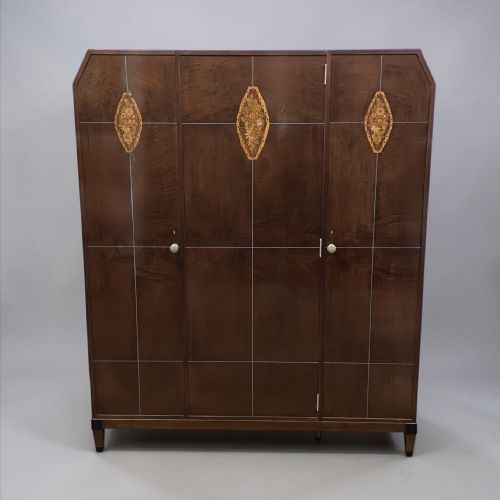
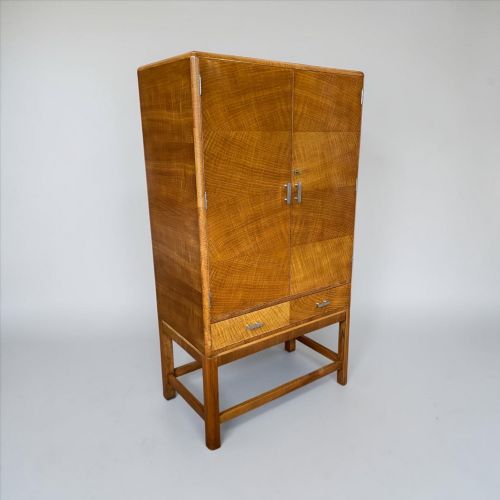
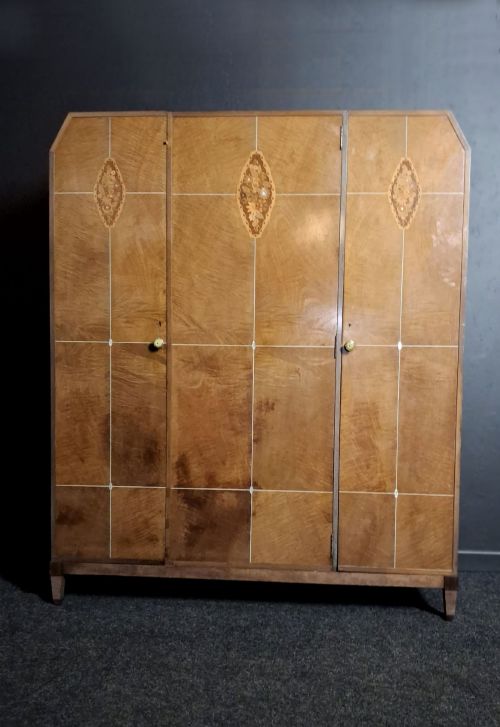
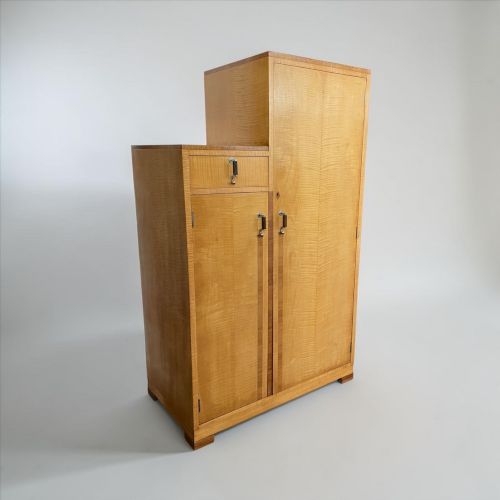
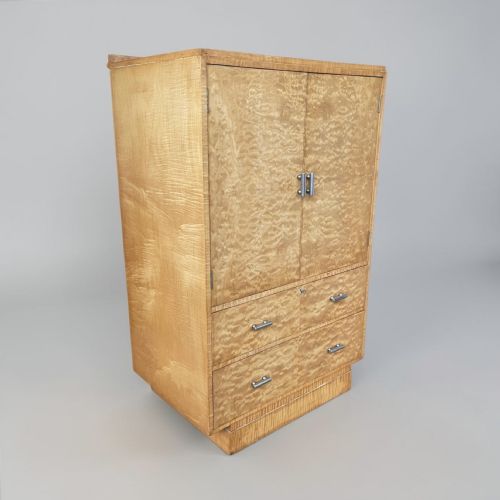
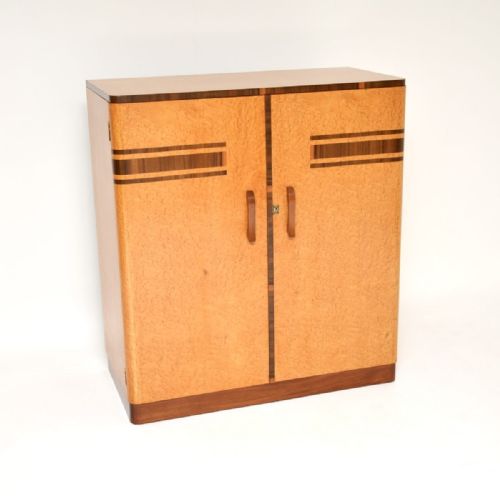
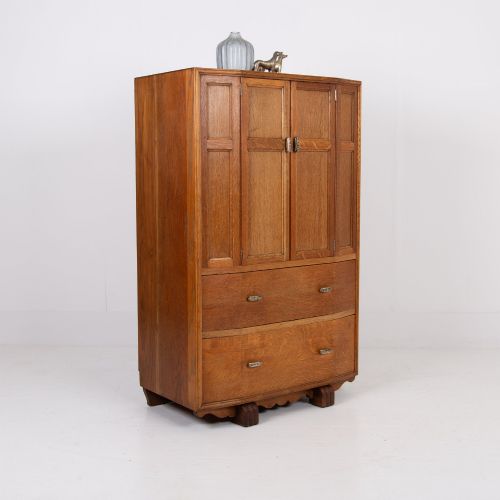
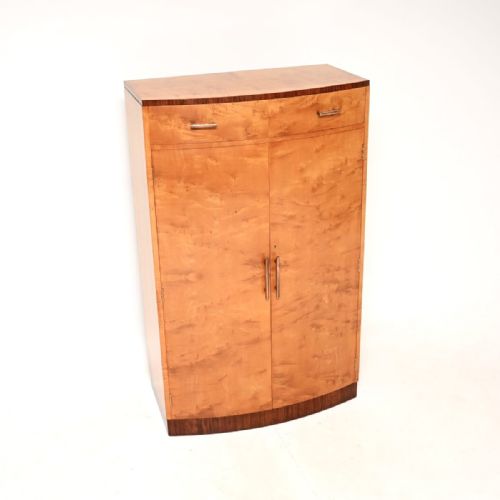
When you search for an art deco linen press, you encounter substantial bedroom storage pieces that blend traditional function with twentieth-century styling. The selection spans tallboys, compactums, and wardrobes dating principally from 1930, alongside examples from 1920, 1940, and 1910.
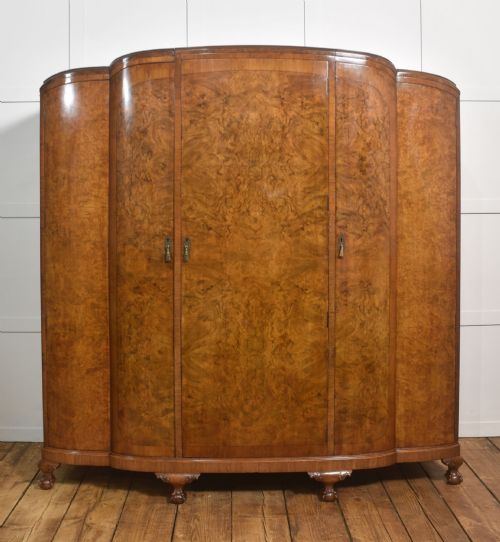
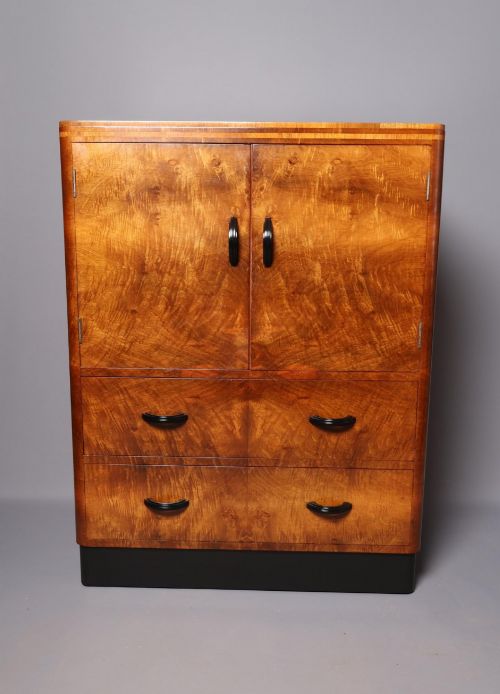
You are most likely to meet burr walnut and figured walnut finishes on this page, often complemented by birds eye maple, satin birch, and pale mahogany. These pieces range from streamlined tallboy cabinets to breakfront wardrobes and specialised linen cupboards designed to house garments and folded textiles with architectural elegance.
What varies in quality
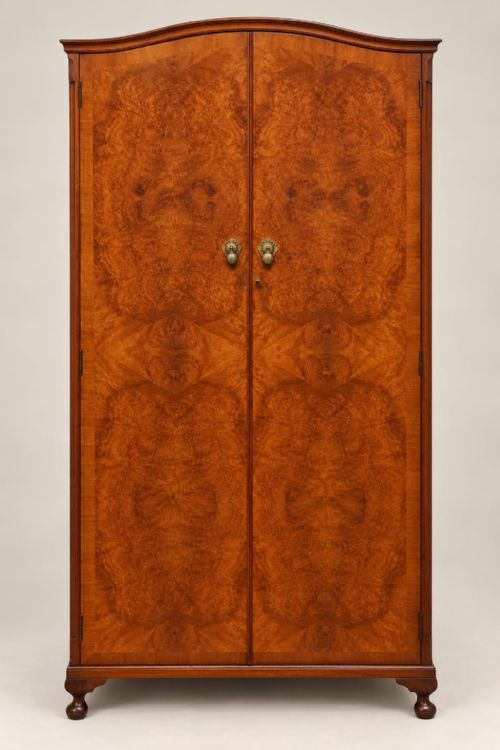
The choice and matching of veneers define the visual standard of these storage pieces, with book-matched burr walnut and figured grain representing the highest level of cabinet work. Superior examples demonstrate meticulous grain continuity across multiple doors and drawers, creating balanced geometric patterns.
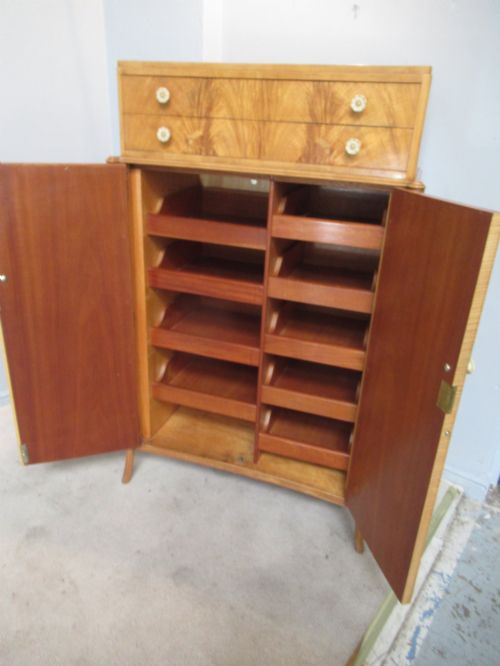
Hardware selection and internal fitting also distinguish pieces, where solid brass or original bakelite handles and carefully configured maple-lined compartments elevate the overall standard of execution.
Art Deco Linen Press Retail Price Guide 2026
Typical asking prices for art deco linen press among the pieces listed under this phrase on Sellingantiques today, from the lower quarter to the upper quarter. They describe what is for sale here now, not the wider market.
Listings feature pieces spanning four decades from 1910 to 1940, with the year 1930 representing the majority of the available wardrobe and tallboy designs.
Betty Joel·Heal's·Harry and Lou Epstein
The Art Deco Linen Press Glossary
- Compactum
- A multi-functional wardrobe combining hanging space, shelves, and internal drawers within a single fitted cabinet. This form maximises storage efficiency in bedroom furniture.
- Tallboy
- A vertical storage cabinet featuring multiple drawers stacked above one another, often positioned on a base or legs. This form provides substantial drawer capacity while occupying a compact floor footprint.
- Burr walnut
- A wood veneer harvested from the irregular growth knot of a walnut tree, prized for its swirling, highly figured grain pattern. Cabinet makers used it to create dramatic decorative surfaces on doors and drawer fronts.
- Birds eye maple
- A figured maple timber displaying small, circular dot patterns resembling tiny birds eyes within the wood grain. It provides a pale, highly decorative contrast to darker cabinet woods.
Art Deco Linen Press: Frequently Asked Questions
What is an art deco linen press?
An art deco linen press is a substantial bedroom storage piece designed during the early to mid-twentieth century, combining internal shelving, drawers, and hanging space for garments and household linens.
These cabinets typically feature geometric veneering, such as burr walnut or birds eye maple, and reflect the architectural styling associated with the period.
How do I use a compactum daily?
A compactum serves as an all-in-one bedroom wardrobe where you can organise folded garments, hanging clothes, and smaller personal items behind matched cabinet doors and internal drawers.
The segmented interior allows you to separate different types of clothing efficiently within a single footprint.
How do I tell a tallboy from a wardrobe?
A tallboy is primarily a vertical chest of drawers, sometimes topped by a small cupboard section, designed specifically for folded clothing and smaller items.
A wardrobe focuses mainly on full-length hanging space for coats and dresses, though compactum variations blend both functions.
What woods were used in these pieces?
Cabinet makers predominantly used walnut, burr walnut veneer, birds eye maple, maple, satin birch, and pale mahogany to construct these storage items.
These timbers were often combined to create two-tone visual contrasts across doors and drawer fronts.