

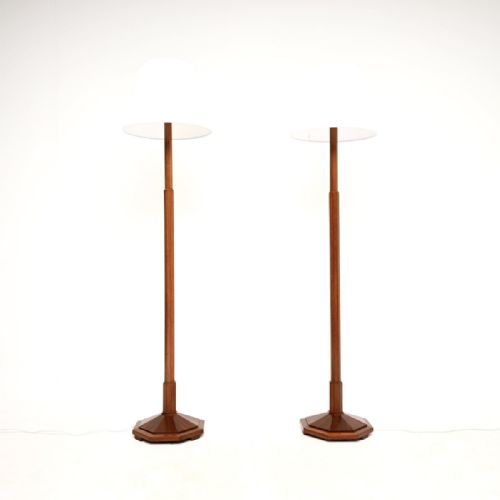


Art Deco Lighting Pair
An art deco lighting pair brings symmetry and strong geometric lines to a room, offering matched illumination from the nineteen-twenties and thirties.
Art Deco Lighting Pair
When searching for an art deco lighting pair, buyers encounter matching fixtures designed to provide balanced illumination across a space. These objects originate primarily from the nineteen-twenties and nineteen-thirties, reflecting the stylistic shifts of the early twentieth century.
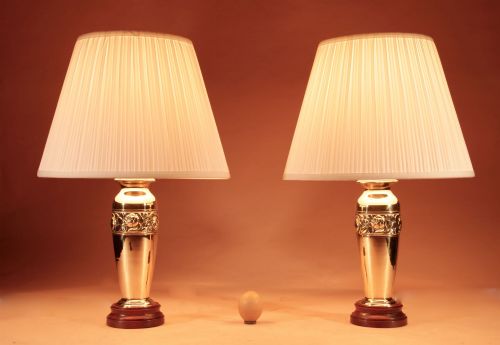
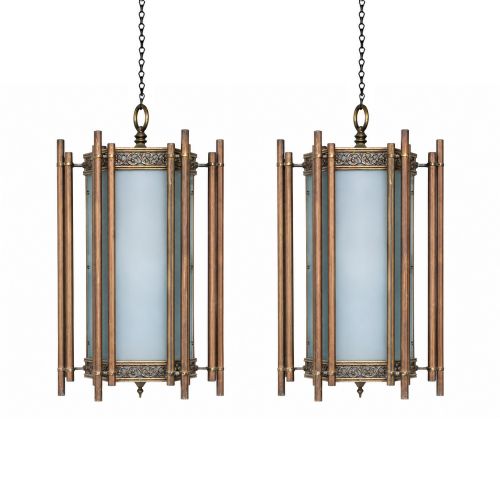
The selection on this page spans wall lights, ceiling fittings, table lamps, and hanging lanterns. Many examples incorporate frosted glass, chrome, and brass to achieve the characteristic symmetrical aesthetic of the period.
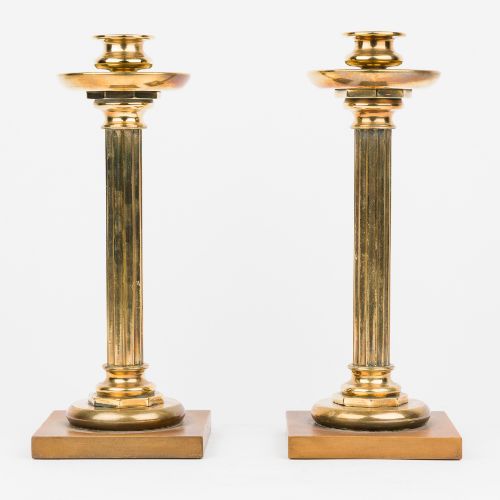
Beyond direct illumination fixtures, related matched pairs in the inventory include candlesticks, floor lamps, and chandeliers. These pieces demonstrate how symmetry dominated domestic design choices during the interwar decades.
How they were made
Makers utilised metals such as brass, chrome, and bronze to construct the structural frames and backplates of these fixtures. These metals were often polished, plated, or patinated to achieve specific surface finishes appropriate for domestic interiors.
Glass components combine moulded, frosted, opaline, and cut techniques to diffuse light evenly. Elements like skyscraper shades and cloud-shaped panels demonstrate the technical capabilities of glassworks during the period.
What varies in quality
The standard of execution in metalwork separates basic production items from superior examples. Heavier gauge metals, refined casting clean-up, and substantial hardware indicate higher workshop standards.
Glass quality depends on the clarity of the material and the precision of the moulding. Thicker glass with crisp geometric relief and secure mountings represents the upper tier of period manufacturing.
R Lalique·Schneider·Baccarat·Heals·Hille
The Art Deco Lighting Pair Glossary
- Pricket
- A candlestick featuring an upright spike upon which the candle is mounted rather than a socket. This form appears frequently in brass and iron work from the early twentieth century.
- Opaline glass
- A milky, semi-opaque glass often produced in white or soft tints. It diffuses light softly and was widely utilised in period lampshades.
- Bakelite
- An early synthetic thermosetting plastic introduced in the early twentieth century. It appears on switches, bases, and decorative elements of period electrical fittings.
- Ormolu
- Gilt bronze applied as a decorative mount or structural component. It provides a bright metallic finish that resists tarnishing.
- Torchere
- A tall stand or floor lamp designed to direct light upwards towards the ceiling. These pieces often anchor the corners of a room.
Art Deco Lighting Pair: Frequently Asked Questions
What defines an art deco lighting pair?
An art deco lighting pair consists of two matching fixtures sharing identical materials, proportions, and decorative motifs from the interwar decades.
These pieces rely on symmetrical arrangements, geometric forms, and industrial metals to create a cohesive visual effect when installed together.
How do I care for chrome and brass?
Maintenance requires gentle dusting with a dry cloth and avoiding harsh chemical polishes that can strip protective platings.
Original patinas on metals and delicate frosted glass surfaces benefit from careful, dry handling rather than aggressive cleaning methods.
Are these lights wired for modern use?
Fixtures from this era frequently require rewiring to meet contemporary electrical safety standards before installation in a modern home.
Consulting a qualified electrician ensures that internal components and lamp holders comply with current regulations while preserving the original housing.