



Vintage Chrome Accent Lamps
Vintage chrome accent lamps combine metallic sheen with distinct period forms, offering functional task lighting that doubles as striking sculptural display.
Vintage Chrome Accent Lamps
These items encompass vintage chrome accent lamps originating primarily from the nineteen-thirties and nineteen-twenties alongside related occasional forms. Pieces span utilitarian lighting through to figurative and sculptural designs.
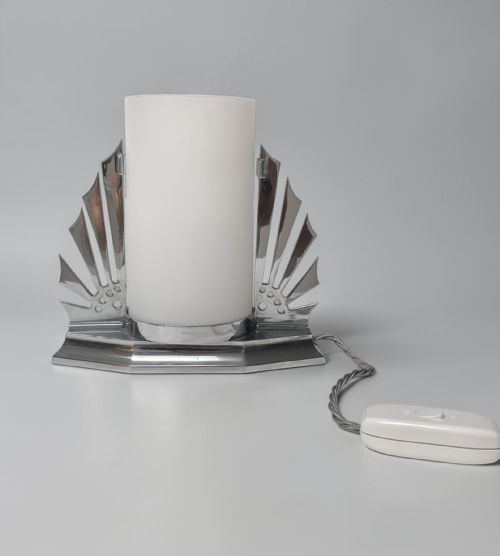
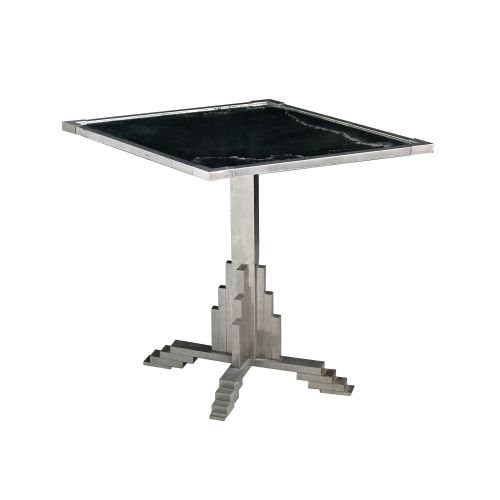
The selections on this page centre upon table lamps in various configurations, including twist models, figural subjects, and yacht motifs. Alongside these stand occasional tables and side tables that incorporate chrome elements.
Originating predominantly from Art Deco and American Art Deco design movements, these works employ bright metallic surfaces. Many pair the principal metal structure with glass or frosted glass components.
How they were made
Makers utilised chrome plated metal and solid chrome to build the primary structures, achieving reflective surfaces through careful plating techniques. Certain examples integrate timber veneer, mahogany, or catalin phenolic bakelite alongside the metal body.
Materials recorded include chrome, mirrored glass, timber veneer, and catalin phenolic bakelite.
What varies in quality
The standard of execution shifts between standard commercial items and high end productions that feature intricate figural elements or specialised glass. Superior examples display refined modelling on figures like nudes standing on balls or dynamic lightning flash motifs.
Integrity of the plated surfaces and the precision of multi tier assemblies dictate the grade of a piece. Finer works maintain crisp geometric lines or detailed figural casting without distortion.
The Vintage Chrome Accent Lamps Glossary
- Chrome plated metal
- Base metal coated with a thin layer of chromium to provide a corrosion resistant and reflective finish. This process defines the brilliant sheen seen on nineteen-thirties lighting.
- Catalin
- A cast phenolic formaldehyde resin that provides vibrant colour and smooth opacity without fading. It appears frequently in handles and decorative sections on period items.
- Frosted glass
- Glass treated by acid etching or sandblasting to create a textured, translucent surface. It diffuses light softly across the lamp body.
- Art Deco
- A design style spanning the twenties and thirties characterised by streamlined shapes, geometric patterns, and industrial materials. It influences the dominant aesthetic of these items.
- Timber veneer
- A thin layer of wood applied over a base core to provide decorative grain patterns. It often contrasts against bright metal surfaces on tables.
Vintage Chrome Accent Lamps: Frequently Asked Questions
What periods do these lamps come from?
The pieces originate primarily from the nineteen-twenties and nineteen-thirties during the height of the Art Deco movement. Design influences from this era focus on geometric forms and modern industrial materials.
Production dates extend into the nineteen-forties for certain figural and thematic lighting designs. Each era brings distinct variations in the handling of chrome and glass.
How do I clean chrome surfaces?
Maintenance requires gentle wiping with a soft, damp cloth to remove dust and fingerprints without scratching the metal plating. Avoid abrasive cleaners that can strip or dull the reflective chromium layer.
Keeping the metal dry prevents moisture from penetrating the underlying base metal. Regular soft polishing preserves the original period sheen.
Are these items purely decorative?
These pieces serve as functional table lighting while functioning simultaneously as sculptural art objects. Their striking silhouettes make them focal points even when unlit.
Many designs incorporate figural subjects or geometric structures that elevate them beyond standard utility. They integrate easily into modern or period interiors as accent pieces.
What materials accompany the chrome?
Common companion materials include glass, frosted glass, and mirrored glass used for shades and table tops. These transparent or reflective elements balance the heavy metallic frames.
Selected items also incorporate organic elements like mahogany, timber veneer, and catalin phenolic bakelite. This mix of industrial and tactile substances defines the period aesthetic.
How do I identify Art Deco lighting?
Art Deco lighting displays symmetrical geometry, stepped forms, and streamlined motifs like zig zags or nautical themes. The pairing of chrome with glass or bakelite is a primary indicator.
Figural subjects often feature stylised human forms balanced on spheres or integrated into abstract frames. The overall emphasis remains on modern industrial elegance.