
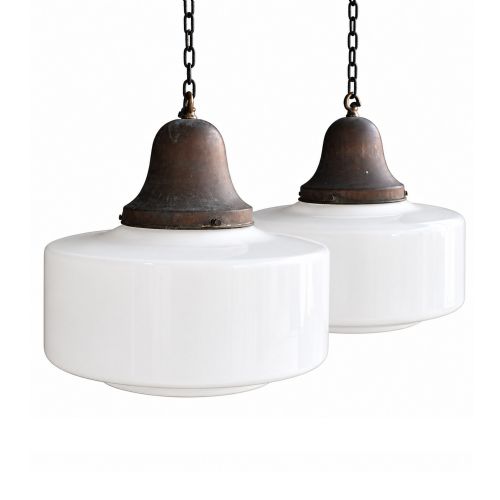
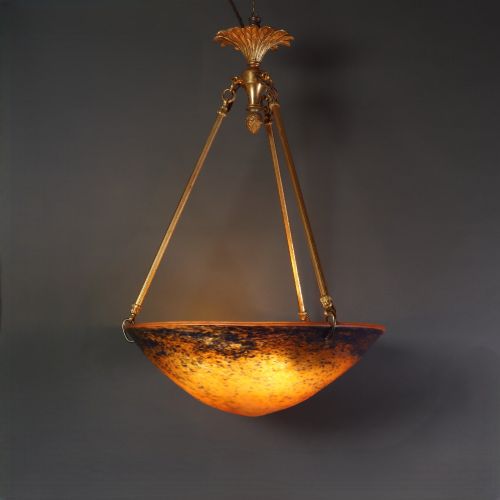
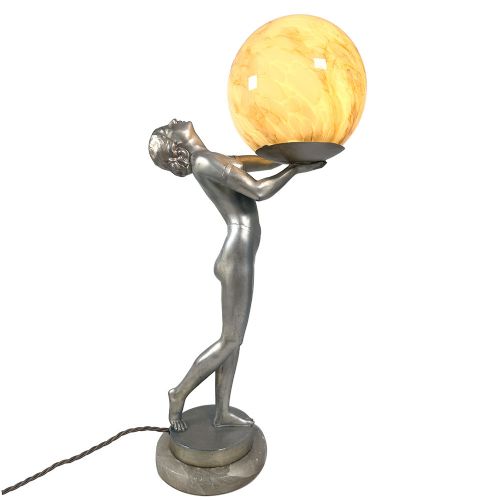
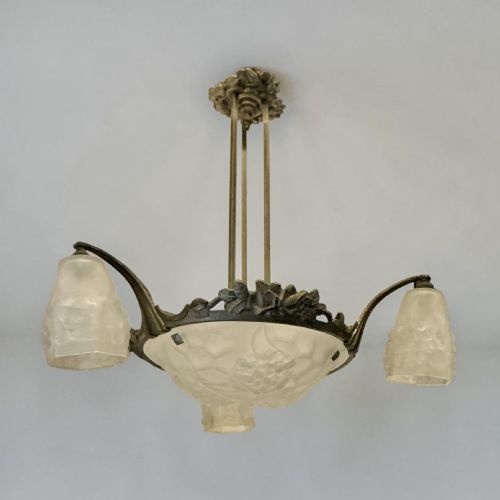


Art Deco Lamps
Art deco lamps bring together striking geometric lines and rich materials, offering both functional illumination and distinct period character for any interior.
Art Deco Lamps
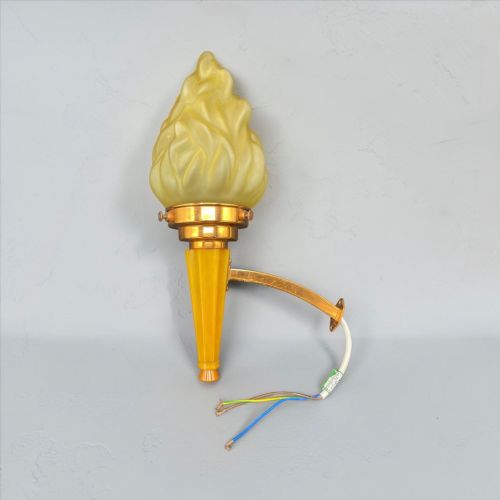
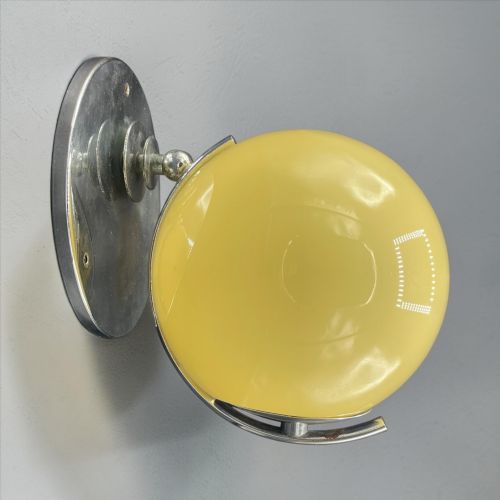
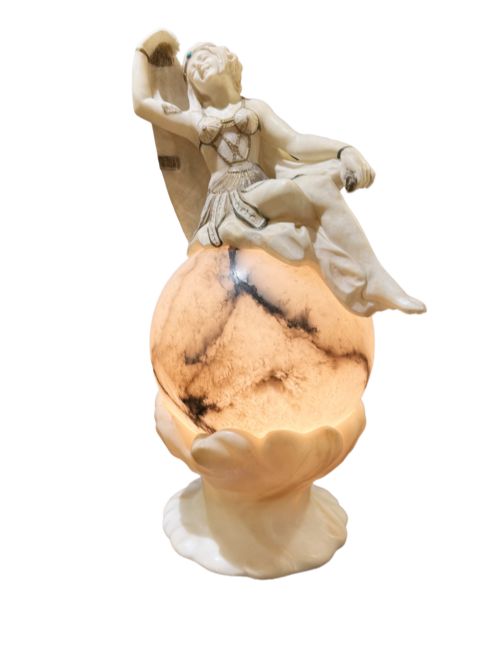
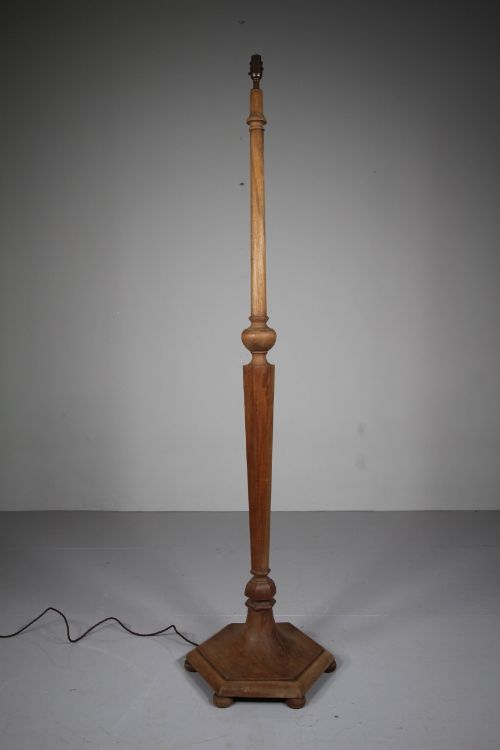
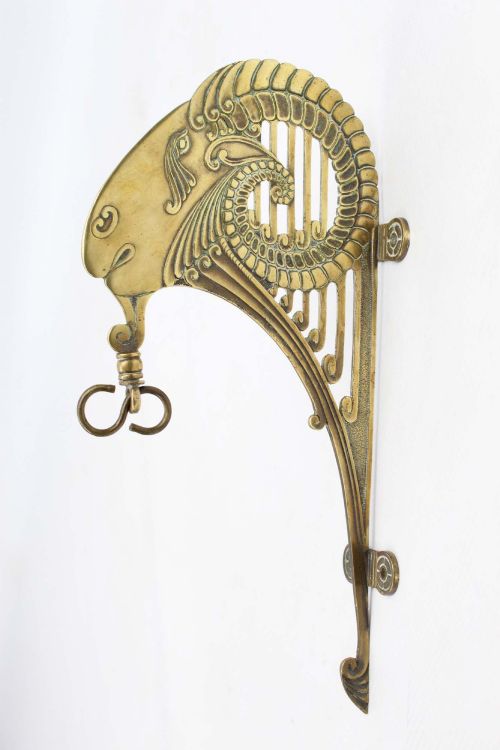
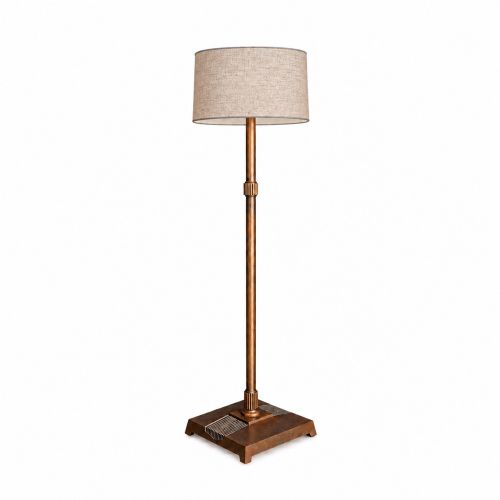
The dominant forms span standard upright floor lamps, sculptural standing lady figures holding light sources, and wall-mounted sconces. Many pieces incorporate materials typical of the interwar period, reflecting the distinct aesthetic of the machine age and modernist design.
How they were made
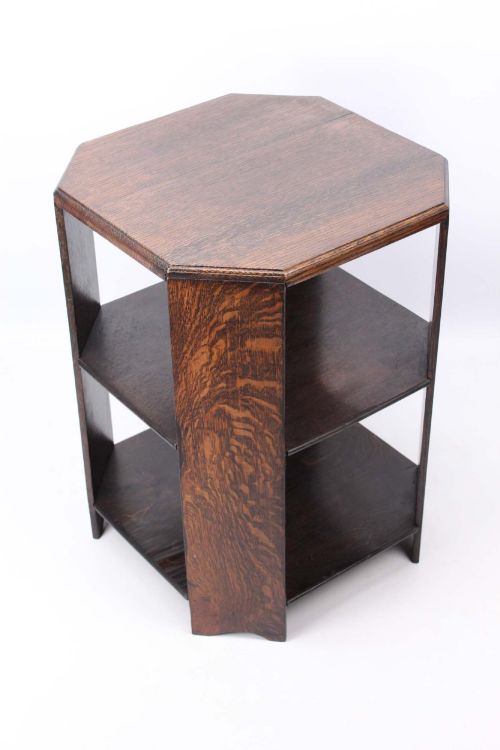
Craftsmen utilised a combination of metals such as brass, chrome, copper, and spelter to build the structural frames and decorative figures. These metallic elements were frequently paired with carved hardwoods including walnut, oak, and rosewood.
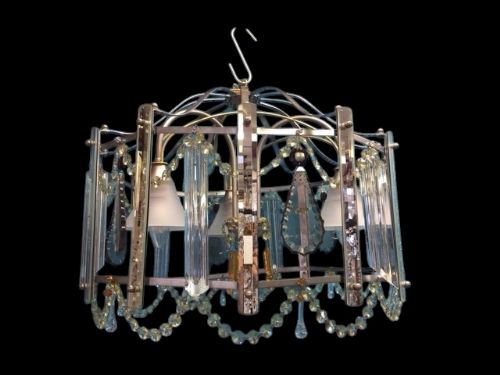
Lighting components rely heavily on glass, featuring frosted glass, cut glass, and moulded slip shades. Natural stones like marble and onyx appear frequently in bases and stands, providing substantial weight and contrasting textures.
Listings feature items spanning the Edwardian era through the 1940s, with a strong concentration of pieces dated to 1920 and 1930.
What varies in quality
Quality rests upon the purity of the materials and the refinement of the casting or carving. Solid brass, figured walnut, and heavy carved marble separate standard production pieces from finer examples.
The sophistication of the glasswork and the detail found in figural components dictate the upper tiers of the range. Original matching elements and signed glass shades elevate certain pieces above anonymous factory output.
Charles Schneider·Degué·Fratelli Toso·Eileen Grey·Émile-Jacques Ruhlmann
The Art Deco Lamps Glossary
- Plafonnier
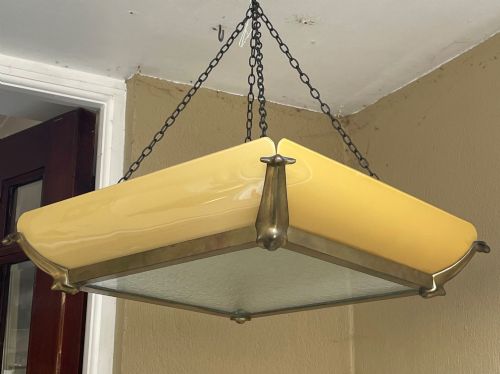
- A ceiling light fixture mounted flush or close to the ceiling, usually featuring a decorative glass bowl held by metal mounts.
- Slip shade
- A moulded piece of art glass designed to slide into a metal frame, common in American lighting of the period.
- Spelter
- A zinc alloy used as a substitute for bronze in decorative figures, often given a metallic finish to mimic higher-grade bronze.
- Millefiori
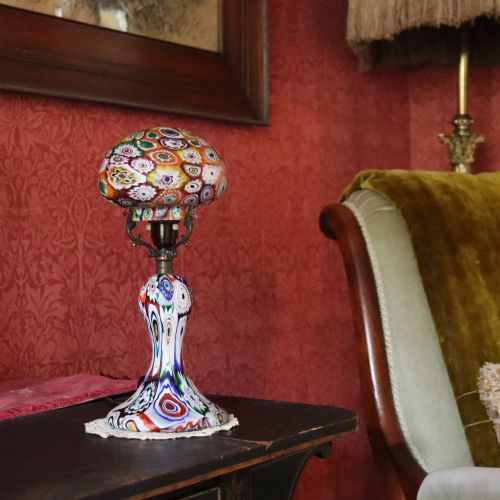
- A glasswork technique producing multicoloured mosaic patterns, frequently seen in Italian glass lamps.
- Occasional table
- A small, movable table designed for a specific subsidiary use, such as holding a lamp or book beside a chair.
Art Deco Lamps: Frequently Asked Questions
How do I identify a genuine period piece?
Examine the construction methods, weight of materials, and patination found on the metal and wood components. Period examples utilise manufacturing techniques and fasteners consistent with the 1920s and 1930s rather than modern replication methods.
Look for maker signatures or stylistic traits associated with known glasshouses and designers of the era. The integration of authentic frosted, moulded, or slip glass shades further supports attribution to the interwar period.
Were these lamps originally wired for electricity?
Most lighting fixtures from this era were adapted for electrical use as domestic grids expanded during the 1920s and 1930s. Many surviving examples have subsequently undergone rewiring to meet contemporary safety standards.
When acquiring these items, buyers should inspect the internal wiring and consult a qualified professional to ensure safe operation. Rewiring preserves the historical fixture while allowing everyday usage.
How do I place a floor lamp in a room?
Standard lamps from this period function well beside seating areas where they provide targeted downward or ambient upward illumination. Their substantial metal or marble bases allow them to anchor corners effectively.
Consider the scale of the room and the height of the standard lamp when positioning it near side tables or bookcases. Walnut and brass finishes coordinate naturally with both mid-century and traditional interior palettes.
What maintenance do these materials require?
Wood components such as walnut and oak benefit from periodic treatment with appropriate furniture wax to preserve the finish. Avoid excessive moisture on wooden surfaces and polished stone bases.
Metal elements like brass and chrome should be dusted gently with a soft cloth rather than harsh chemical cleaners. Glass shades can be removed carefully and washed in warm soapy water to maintain light output.