



Art Deco Lamp Stands
Art deco lamp stands bring geometric grace and upward line to a room, offering both illumination and architectural presence.
Art Deco Lamp Stands
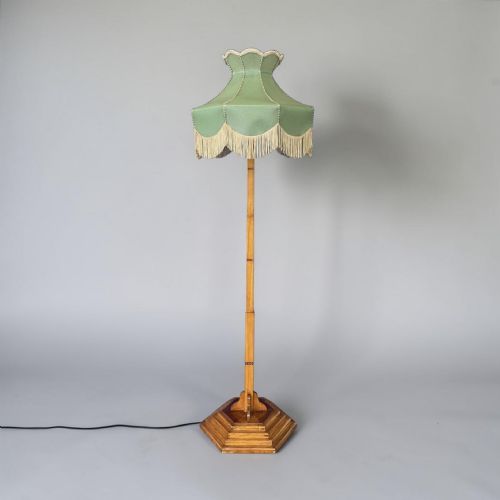
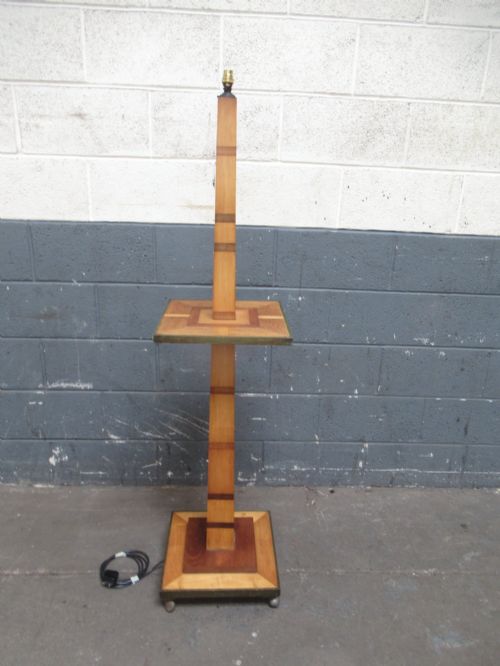
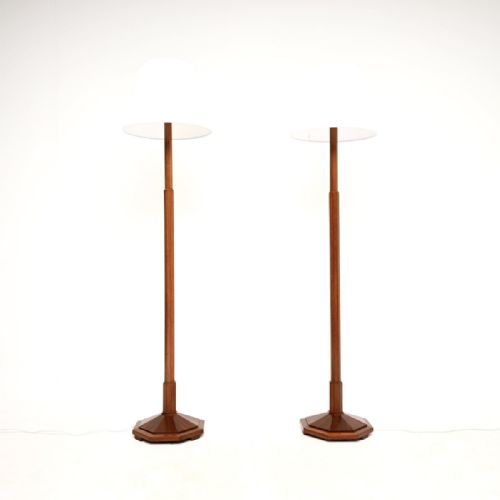
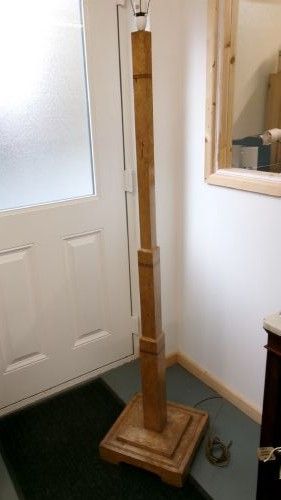
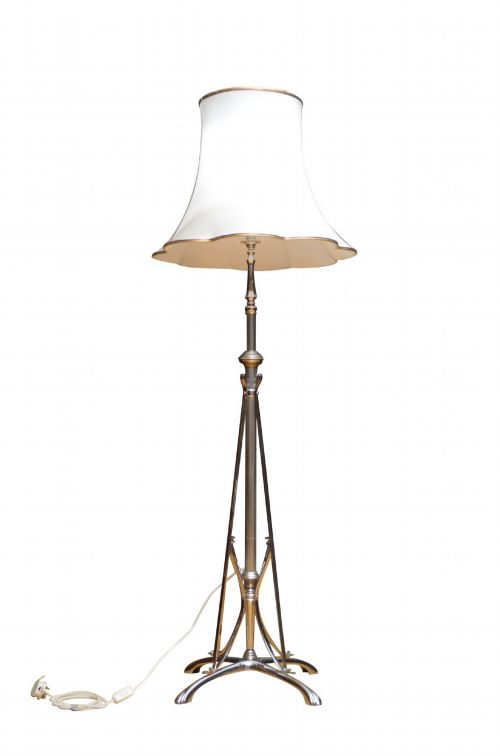
Art deco lamp stands combine vertical illumination with the geometric forms characteristic of the interwar period. These pieces frequently appear as tall standard lamps and floor uplighters designed to anchor a corner or sit beside seating.
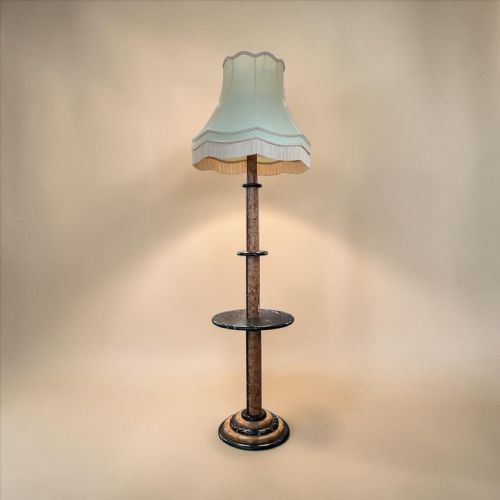
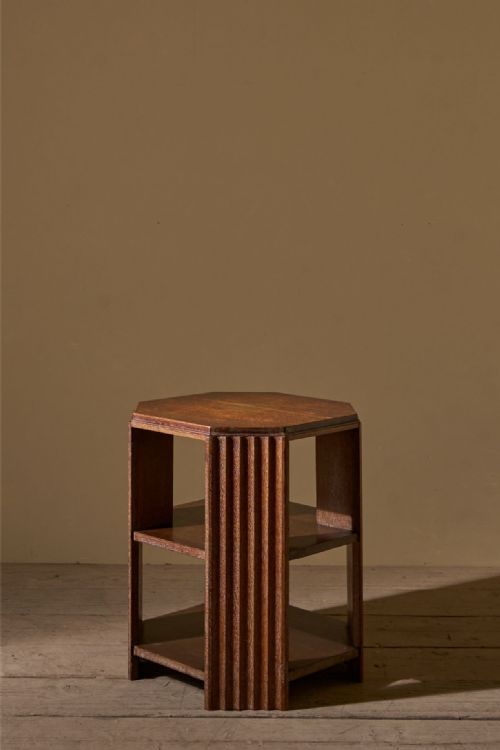
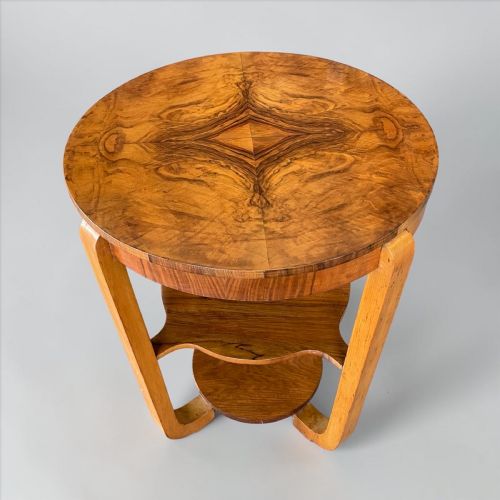
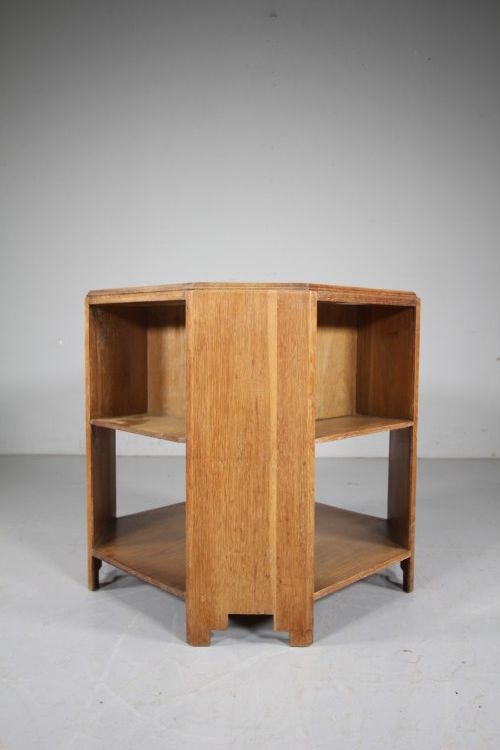
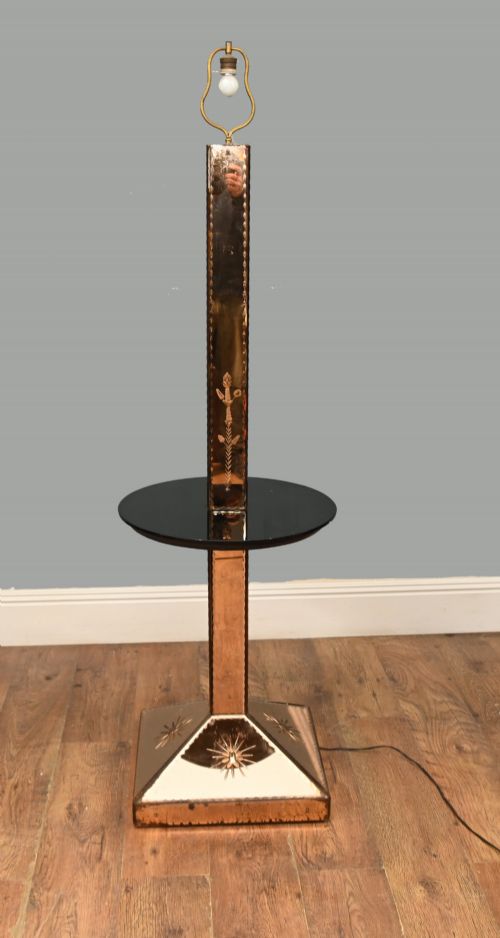
The selection ranges from simple oak and walnut shafts to elaborate standards incorporating glass cocktail tables and marble bases. Alongside dedicated floor lamps, many listings include multi-functional side tables and occasional furniture built to hold smaller table lamps.
Origins stretch from English workshops to French studios, capturing the transition from ornate nineteenth-century revival styles to sleek modernist principles. The dominant period spans the nineteen-twenties and nineteen-thirties, with occasional pieces reflecting earlier transitional designs from nineteen hundred.
Materials and construction methods
Construction relies heavily on cabinet timbers such as walnut, oak, mahogany, and rosewood, often selected for dramatic grain patterns like burr and birds-eye maple. Metal elements utilise polished chrome and brass, providing the metallic contrast essential to the aesthetic.
Many standards incorporate contrasting bases of solid marble or ebonized wood to add stability and visual weight. Fabric shades, sometimes covered in silk, complete the lighting fixtures alongside moulded and frosted glass components.
Listings feature standard lamps, floor uplighters, and occasional tables in oak, walnut, chrome, and marble from the interwar period.
Distinctions in standard and execution
Quality reveals itself in the treatment of the timber and the integration of mixed materials. Superior examples employ carefully matched veneers and solid secondary woods, whilst simpler pieces rely on basic construction.
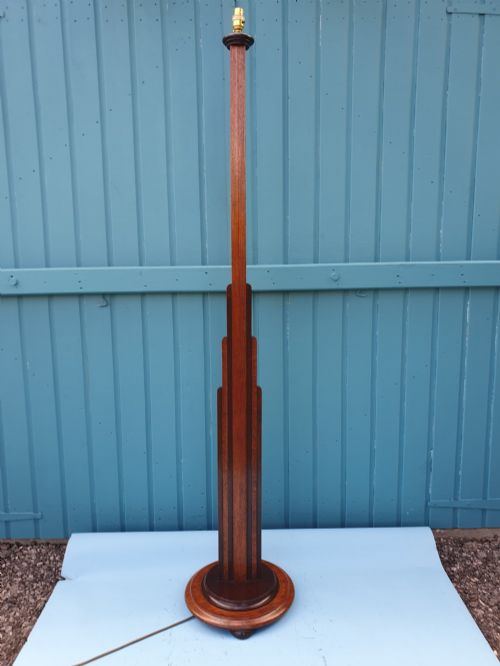
The sophistication of the silhouette defines the upper tier, seen in stepped skyscraper forms, architectural mouldings, and balanced proportions. Adjustable mechanisms and signed metalwork further elevate a piece above standard production.
Harry and Lou Epstein·Hille·Majorelle
The Art Deco Lamp Stands Glossary
- Standard lamp
- A tall floor-standing lamp designed to provide ambient room illumination. These vertical shafts often feature integral small tables or shelves.
- Torchiere
- An upward-pointing floor lamp that directs light toward the ceiling. They frequently utilise glass bowls or uplighter shades.
- Occasional table
- A small, movable piece of furniture designed for specific, intermittent use. In this context, they often double as lamp supports or bedside stands.
- Amsterdam School
- An architectural and design style originating in the Netherlands. It is characterised by rounded brickwork, expressive forms, and rich detailing.
- Odeon style
- A design aesthetic inspired by streamlined cinema architecture and skyscraper forms. It relies on tiered steps and vertical emphasis.
Art Deco Lamp Stands: Frequently Asked Questions
What is an art deco standard lamp?
An art deco standard lamp is a tall floor-standing lighting fixture produced during the nineteen-twenties and nineteen-thirties. They utilise vertical shafts of wood, brass, or chrome, often incorporating geometric steps or integrated tables.
These pieces serve both a functional lighting role and act as sculptural elements within a room's layout.
How do I use a lamp table?
A lamp table combines a small surface for drinks or books with a dedicated space for a table lamp. They fit easily beside armchairs or sofas.
Their compact footprint makes them practical for smaller spaces where a separate table and floor lamp would crowd the floor.
What materials are common?
Common materials include hardwoods like walnut, oak, and mahogany, frequently shown with burr or blonde veneers. Metals such as polished brass and chrome provide shiny contrasts.
Heavier elements like marble appear in bases to provide stability for tall shafts and integrated glass trays.
How do I distinguish nineteen-twenties styles?
Nineteen-twenties pieces often display transitional neoclassical revival touches alongside emerging geometric modernism. They lean towards polished timbers and brass fittings.
Later nineteen-thirties items embrace the starker skyscraper and Odeon forms with chrome and stepped wooden tiers.