




Art Deco Glass Flask
These art deco glass flask examples bring together period styling and functional design, offering a distinct object for a collection.
Art Deco Glass Flask
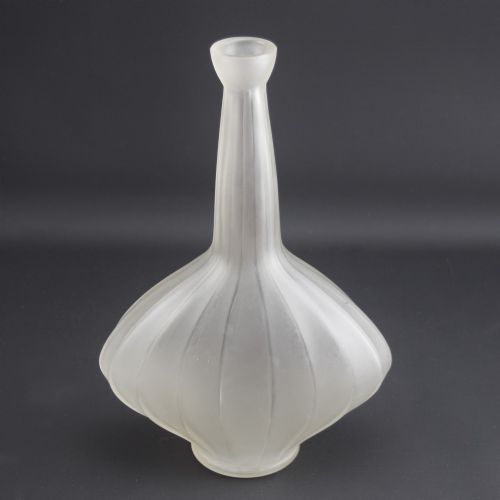
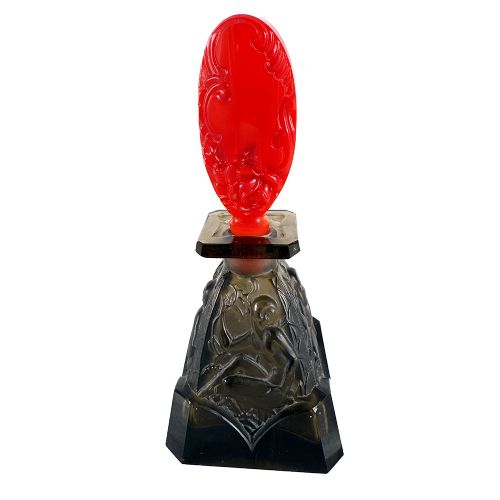
An art deco glass flask spans several functional forms, principally appearing as perfume bottles, scent bottles, and hip flasks. The selection centres on pieces designed during the early decades of the twentieth century, specifically from the 1910s through the 1930s.
How they were made
Makers utilised glass as the primary body material, shaping vessels through moulding, cutting, or producing frosted and opalescent finishes. Many pieces incorporate sterling silver, silver plating, or enamel work to form decorative caps, collars, and atomiser components.
Additional tactile elements appear in specific examples, including tortoiseshell insets, guilloche enamel patterns, paper labels, and crocodile leather sheathing. These varied materials combine glass body construction with secure metal closures designed for practical containment.
Periods represented across the selection range from nineteen-ten through nineteen-thirty.
What varies in quality
Quality differentiates through the precision of the glass moulding and the crispness of any cut or frosted surface detail. Superior examples display distinct relief work on figural or geometric stoppers and bodies.
The refinement of the metalwork and enamel additions further distinguishes individual pieces. Intricate guilloche patterns, intact leather bindings, and clear maker signatures or hallmarks elevate the standard of the manufacture.
Rene Lalique·Karl Palda·Henry Perkins·Barnsley and Co·James Dixon and Sons·Sabino
The Art Deco Glass Flask Glossary
- Guilloche enamel
- A decorative technique involving precise mechanical engraving beneath translucent enamel layers. This method produces intricate geometric patterns visible on silver bottle caps.
- Opalescent glass
- A milky glass type that displays shifting translucent tones when light strikes the surface. It appears frequently on French production pieces from the period.
- Atomiser
- A spray mechanism fitted to perfume bottles to disperse scent in a fine mist. These often feature metal hardware alongside rubber squeeze bulbs.
- Sterling silver
- A silver alloy containing substantial purity used for mounts, collars, and stoppers. British examples typically carry assay office hallmarks.
Art Deco Glass Flask: Frequently Asked Questions
How do I use an antique perfume bottle?
These glass vessels function primarily for display or gentle domestic use rather than robust travel.
Careful handling of vintage stoppers and atomiser mechanisms preserves the internal seals and glass integrity over time.
What periods do these flasks represent?
The available pieces originate mainly from the nineteen-teens, nineteen-twenties, and nineteen-thirties.
This span captures the evolution of modernist design aesthetics applied to small glass containers.
Where were these glass pieces made?
Production locations include workshops and factories across Britain, France, and Czechoslovakia.
Each region contributed distinct stylistic elements, from British silver mounts to continental opalescent glass mouldings.
How do I identify a maker?
Makers often marked their work through moulded signatures in the glass, paper labels, or metal hallmarks.
Inspecting the base and mounts usually reveals stamps indicating the silversmith or producing firm.