

Art Deco Furniture Table
Art deco furniture table designs combine geometric forms with rich veneers to define interwar interiors.
Art Deco Furniture Table
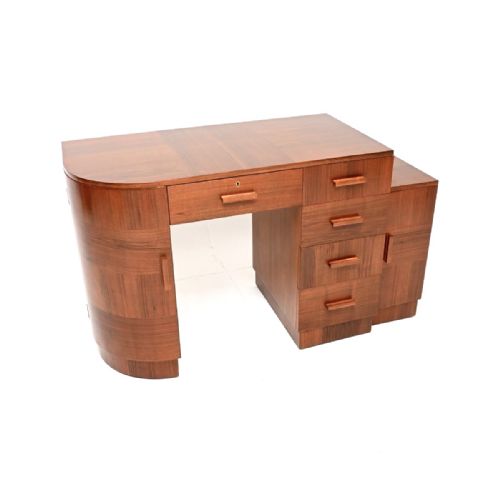
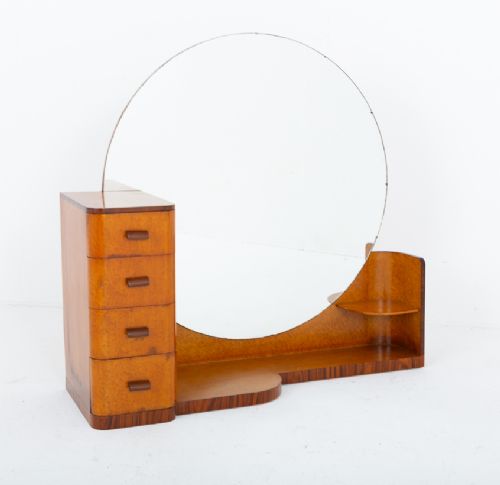
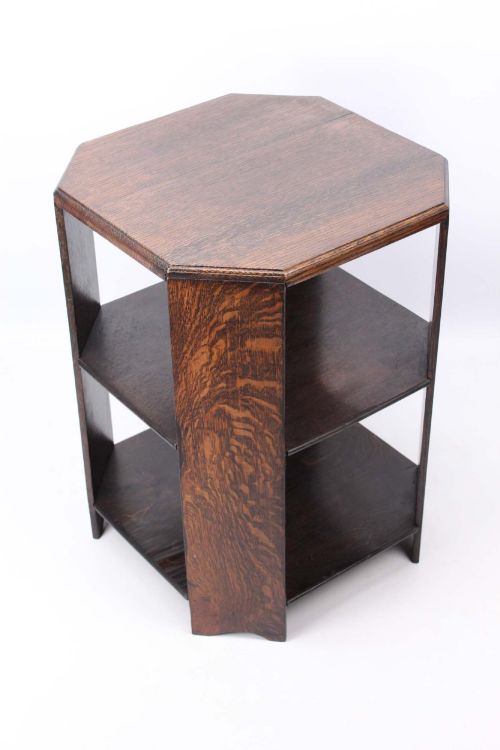
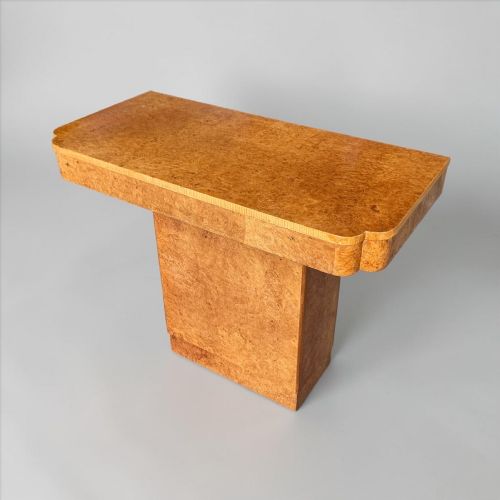
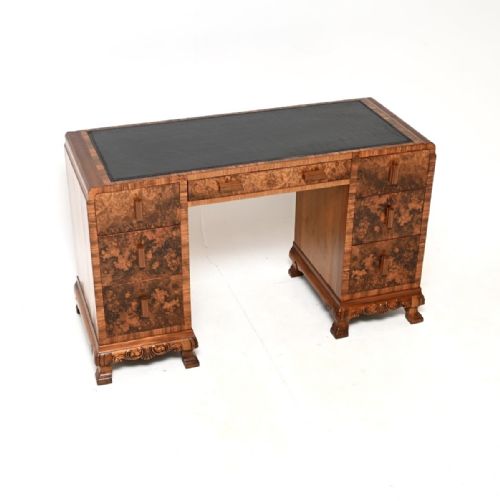
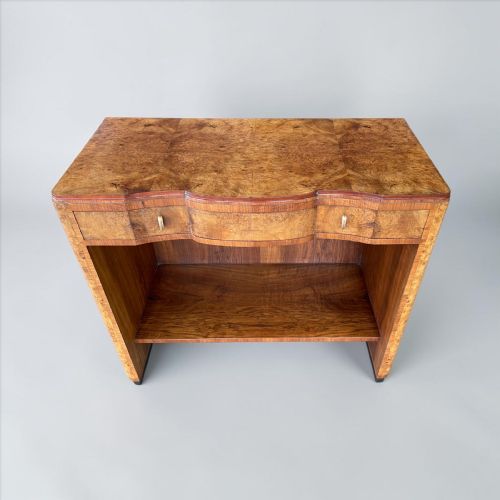
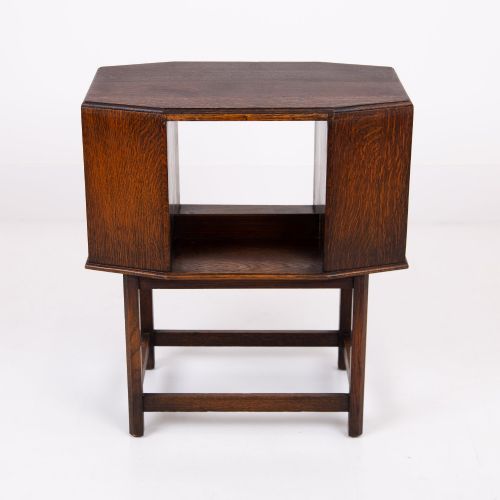
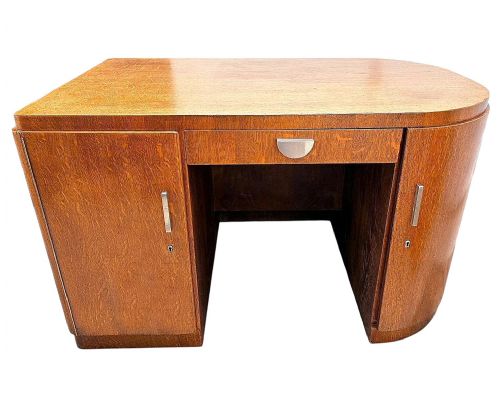
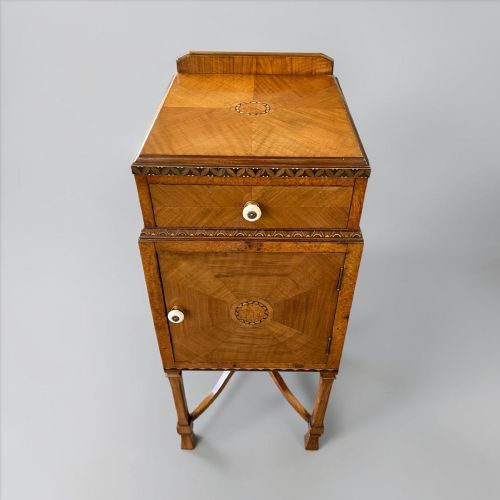
An art deco furniture table covers a wide variety of domestic forms from the nineteen twenties, thirties, and forties, ranging from compact bedside units to large dining suites. Buyers find occasional tables, coffee tables, nests of tables, consoles, and desks alongside specialised serving tables and vanity furniture.
The selections span English, French, and Scandinavian origins, displaying stylistic influences from classic art deco to modernist interpretations and occasional revivalism. These pieces served practical roles in living rooms, bedrooms, and dining spaces while establishing a strong decorative statement through symmetry and clean lines.
Materials and construction methods
Cabinet makers utilised a diverse palette of timbers, relying heavily on walnut, burr walnut, oak, rosewood, elm, satin birch, satinwood, maple, and mahogany. These woods were frequently selected for their pronounced grain patterns and finished with smooth polishes to highlight natural figures.
Metal and glass played substantial roles in structural and decorative elements, particularly chrome, brass, and plain or mirrored glass. Combinations of polished wood surfaces with metal supports or leather desk inserts defined the industrial and modern sensibilities of the period.
Pub tables made their way into the movement, proving that even a pint needed a touch of modernist geometry.
What separates the grades
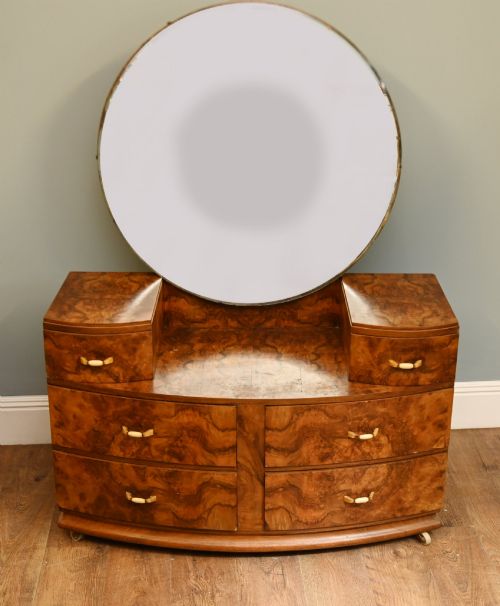
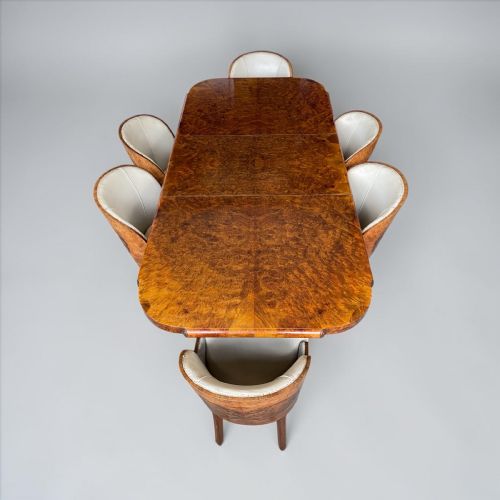
The standard of timber selection and veneer matching dictates the visual appeal of an art deco furniture table. Pieces featuring book-matched burr walnut, rosewood, or figured walnut display deliberate planning by the maker to create symmetrical patterns across the top surface.
Attribution to documented designers or reputable retail firms elevates certain examples above standard commercial output. The integration of specialised functions, such as extending mechanisms, multi-tiered surfaces, or fitted leather writing panels, also distinguishes finer workshops from simpler production pieces.
Maurice Adams·Oliver Percy Bernard·Frank Taylor and Co·Fortnum and Mason·Heal and Son·Betty Joel·Hille·Brynmawr Furniture
The Art Deco Furniture Table Glossary
- Burr walnut
- A wood harvested from the abnormal growth of a walnut tree, producing swirling and mottled grain patterns that are sliced into thin veneers for decorative surfaces.
- Console table
- A table designed to stand against a wall, frequently supported by decorative legs or brackets rather than standard four-legged framing.
- D end
- A table end shaped in a semi-circular profile resembling the letter D, often used on dining tables with drop-in leaves or matching extension sections.
- Limed oak
- Timber treated with a specialised finish that leaves white pigment in the open grain pores, creating a pale, frosted appearance popular in twentieth-century cabinet making.
Art Deco Furniture Table: Frequently Asked Questions
How do I identify a dining table from this era?
Dining tables from the interwar period often feature geometric pedestals, D-end sections, or contrasting wood veneers such as walnut and satinwood. They frequently appear alongside matching chairs with curved backs and upholstered leather seats.
Examination of the underside and extension mechanisms helps distinguish original period construction from later revival pieces. The use of solid secondary timbers beneath primary veneers provides further confirmation of age.
What is the difference between an occasional table and a console table?
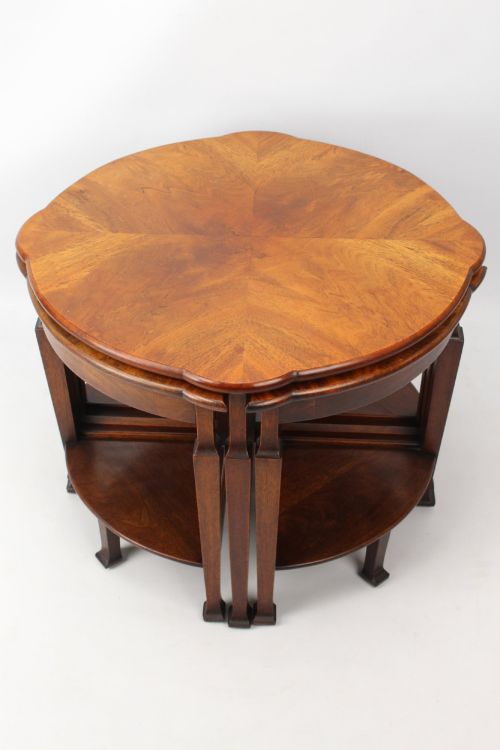
An occasional table is a small, portable piece designed to be moved around a room as needed, serving as a lamp table, wine stand, or small coffee surface. These typically feature round, square, or tiered configurations.
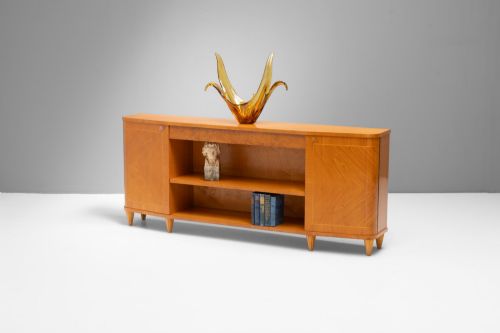
Console tables are narrower pieces built to stand flat against a wall, frequently placed in hallways or dining rooms. They act as serving surfaces or display areas rather than freestanding central furniture.
Where were bedside cabinets used?
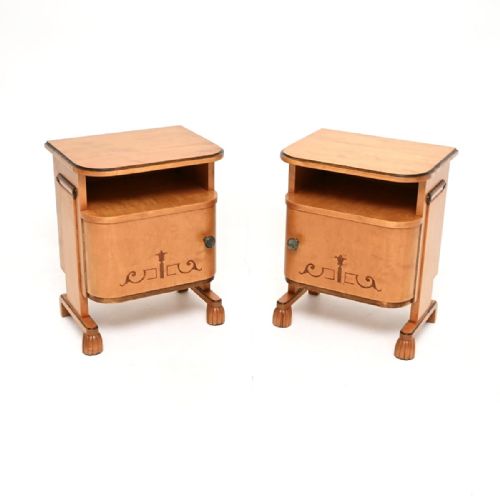
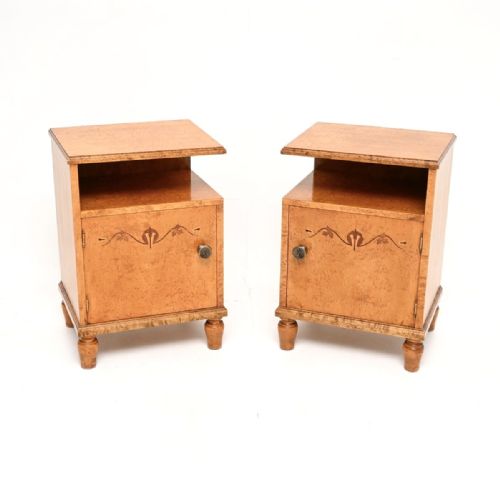
Bedside cabinets and tables served as functional bedroom storage for nighttime items, positioned directly adjacent to the bed. They often incorporated single drawers, cupboards, or open shelving.
Pairs of these cabinets were manufactured to flank larger bed frames, matching the timber and finish of accompanying dressing tables and wardrobe suites.
How do French designs differ from English ones?
French art deco furniture frequently employs exotic woods like rosewood and mahogany alongside high-gloss finishes and dramatic, sculptural forms. These pieces prioritize luxury and avant-garde styling.
English production often focuses on figured walnut, oak, and limed finishes, balancing modernist principles with practical domestic utility for suburban homes.