


Art Deco Figure Lamp
These art deco figure lamp pieces bring sculptural presence to a room, combining functional lighting with distinct period character.
Art Deco Figure Lamp
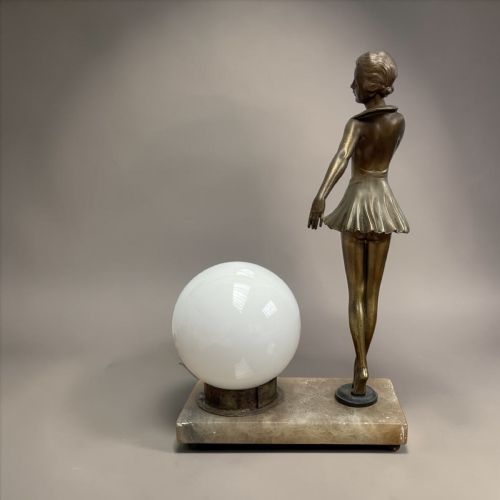
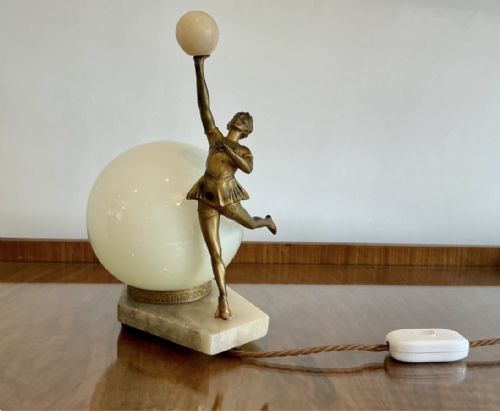
An art deco figure lamp integrates a sculptural human or animal form into a functional lighting piece, drawing from designs of the 1920s, 1930s, and 1940s. These pieces frequently incorporate figures standing on bases or holding spherical elements.
The selections on this page feature table lamps and night lights, often depicting female figures, dancers, pierrots, or animals. Originating largely from English, French, and continental workshops, these items serve as both illumination and decorative sculpture.
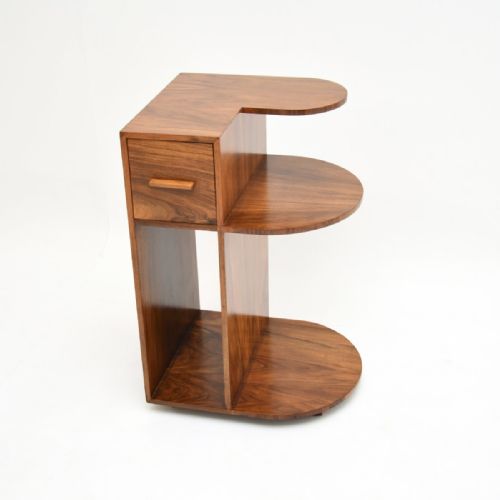
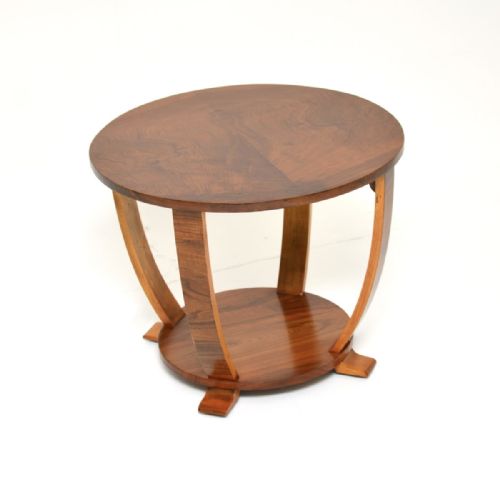
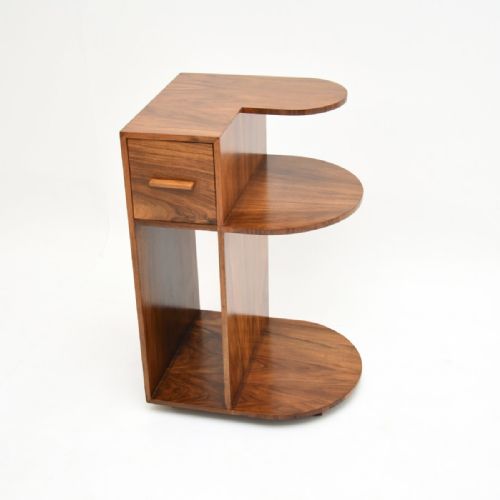
Alongside figural lamps, the evidence shows related forms including side tables, occasional tables, and book tables in matching veneers. Buyers encounter materials ranging from frosted glass to bronze and spelter mounted on marble.
Materials and construction
Makers utilised a diverse palette of metals, ceramics, and woods to construct these lamps, combining chrome, brass, silver plate, and bronze with carved or cast figures. Porcelain and frosted glass feature extensively in the figural components.
Bases and structural elements frequently incorporate marble alongside solid walnut and burr walnut veneers. Metal figures are often cast in spelter or bronze, sometimes retaining original gilding or silver plating.
The site listings combine art deco lighting with occasional furniture, showing walnut, marble, chrome, and bronze across the 1920s and 1930s.
Indicators of quality
Quality rests in the fidelity and detail of the cast figure, whether executed in bronze, spelter, porcelain, or frosted glass. Pieces bearing attributed or known maker marks show superior artistic execution in the drapery, expression, and posture of the subject.
The selection of secondary materials heavily influences the grade of the piece, with heavy marble bases and richly figured walnut veneers marking out the more substantial examples from standard production.
Karl Ens·Anton Buschelberger·P Sega·Fasold Stauch
The Art Deco Figure Lamp Glossary
- Spelter
- A zinc alloy commonly used as a substitute for bronze in decorative figures. It accepts metallic finishes well and appears frequently on marble bases.
- Burr walnut veneer
- A thin slice of wood taken from the knotty growth of a walnut tree, exhibiting intricate swirling grain patterns. It is applied to the surfaces of associated furniture pieces.
- Frosted glass
- Glass treated to impart a milky, translucent surface that diffuses light softly. It appears in figural shades and sculptural components.
- Occasional table
- A small, movable table designed for specific, intermittent use rather than central placement. Versions on this page feature multiple tiers and figured veneers.
- Pierrot
- A comic theatrical character originating from the 17th-century French pantomime, depicted frequently in porcelain and spelter lamp sculptures.
Art Deco Figure Lamp: Frequently Asked Questions
What materials are these lamps made from?
The evidence shows lamps constructed from bronze, spelter, chrome, brass, and silver plate. Many incorporate porcelain figures or frosted glass elements.
Bases and associated side furniture frequently utilise marble, solid walnut, and burr walnut veneers.
How do I date an art deco figure lamp?
Dating relies on the recorded periods of manufacture seen across the listings, primarily spanning the 1920s, 1930s, and 1940s. Stylistic cues in the clothing and posture of the figures align with these decades.
Associated furniture pieces in the evidence carry similar circa dates, pointing to unified interior styles of the era.
Where were these lamps manufactured?
Listings point to origins in England and France, alongside continental European porcelain factories and studios. Maker attributions and signatures occasionally indicate specific workshops.
Materials such as French Baccarat glass highlight distinct regional manufacturing centres within the broader art deco movement.
How do I live with an art deco figure lamp?
These lamps function as both direct task or accent lighting and sculptural display pieces. Placing them on side tables or night lights allows the glow to highlight the frosted glass or metallic figures.
Matching occasional tables in figured walnut provide complementary surfaces for displaying related items in a room.