


Bronze Figurine Table Light
These bronze figurine table lights combine sculpture and illumination, offering collectors a practical way to display period artistry in any room.
Bronze Figurine Table Light
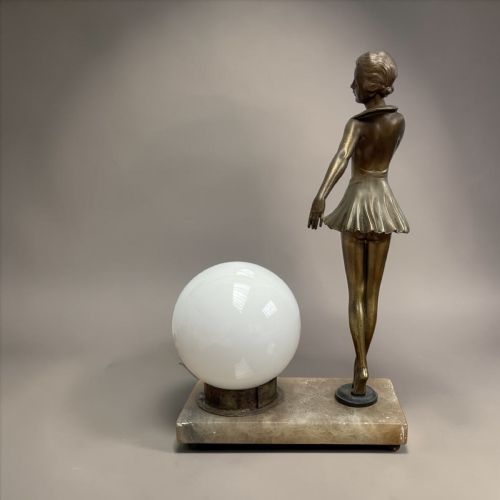
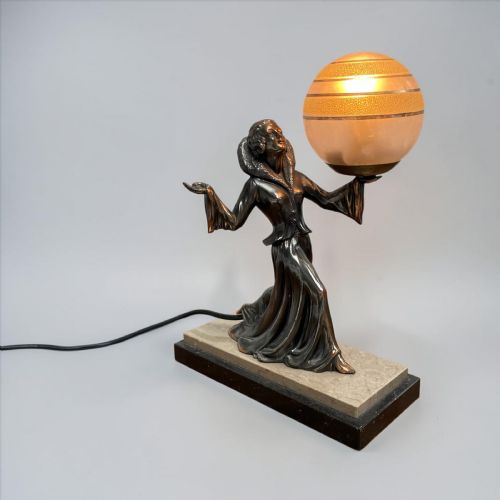
A bronze figurine table light combines a sculptural figure with an electrical fitting, serving both decorative and functional purposes in an interior. When searching for a bronze figurine table light, buyers encounter figures ranging from mythological cherubs to athletic human forms mounted on heavy bases. Most examples found here originate from the early decades of the twentieth century, with a strong representation of Art Deco designs.
The objects span several distinct decorative movements, including French Rococo Revival, Art Nouveau, and French Empire styles alongside twentieth-century modernism. Figures take the form of ladies, greyhounds, pierrots, and tennis players, often integrated with night light functions or paired arrangements. The materials supporting these figurines vary, though marble remains a frequent choice for stability and weight.
How they were made
Maker's workshops cast figures using traditional methods in bronze, gilt bronze, or lower-cost metal substitutes such as spelter and patinated metal. These metal figures are frequently mounted directly onto polished marble bases to provide a solid foundation for the electrical components.
Lighting elements incorporate glass shades or fabric components alongside metal fittings, whilst older items often show evidence of later conversion from statuary or night lights to standard table lamps.
Materials recorded across the inventory include marble, glass, bronze, fabric, spelter, and ormolu.
What varies in quality
The distinction between ordinary and superior pieces rests largely on the fidelity of the casting and the quality of the chasing work on the metal surface. Finer figures display crisp details in facial expressions, drapery, and anatomical definition, whereas lesser examples rely on softer contours and heavier patination to mask simpler workmanship.
Material selection also dictates the grade of the piece, with genuine bronze and ormolu commanding greater refinement than spelter alternatives. The integration of the sculptural figure with its base and lighting hardware reveals the care taken by the original maker.
Moreau
The Bronze Figurine Table Light Glossary
- Spelter
- A zinc alloy frequently used as a cost-effective alternative to bronze for sculptural figures during the late nineteenth and early twentieth centuries. It accepts patination well but is softer and more brittle than true bronze.
- Ormolu
- Finely ground high-carat gold applied to a bronze base through a mercury amalgamation process, or later via electroplating. This finish imparts a rich, warm golden lustre that resists tarnishing.
- Patinated metal
- Metal treated with chemical solutions to produce a specific surface colour or aged appearance, enhancing the visual depth of the figurine. It protects the underlying metal whilst defining the sculptural contours.
- Night light
- A small scale domestic lamp designed to provide low level illumination through the night, often featuring a small figurine combined with a delicate glass or porcelain shade.
Bronze Figurine Table Light: Frequently Asked Questions
What is a bronze figurine table light?
A bronze figurine table light is a decorative lamp where a metal or cast figure forms the main stem or base of the illumination. These pieces merge functional domestic lighting with sculptural art.
They appear in various forms, from single athletic figures to classical cherubs, providing ambient light while serving as standalone decorative objects on sideboards and desks.
How do I date a figurine lamp?
Dating these lamps involves examining the artistic style, the materials used for the base, and the electrical wiring or conversion methods. Art Deco examples typically feature streamlined figures on marble bases from around nineteen thirty.
Earlier nineteenth-century pieces often display Rococo Revival motifs with heavier gilt bronze or porcelain elements. The construction techniques and fastening screws also offer clues to the manufacturing era.
Where should I place these lamps?
These lamps suit locations where their sculptural qualities can be appreciated up close, such as hallways, side tables, or studies. Their detailed metalwork benefits from placement near plain walls or contrasting backgrounds.
Because many function as night lights or accent pieces, they provide soft illumination rather than bright task lighting for reading.
Are these lamps converted from statues?
Many older figurine lamps began life as standalone cabinet bronzes, statuettes, or night lights before receiving electrical fittings at a later date. This practice was common throughout the twentieth century as households modernized.
Evidence of conversion can often be seen in the drilling through the base or figure to accommodate modern wiring channels.