


Art Deco Figural Bronze
Art deco figural bronze works capture the dynamic energy of the interwar decades through human and animal forms integrated into functional objects.
Art Deco Figural Bronze
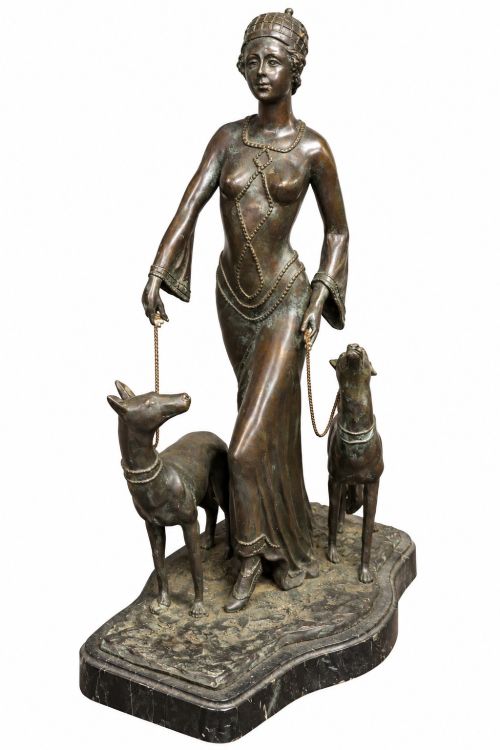
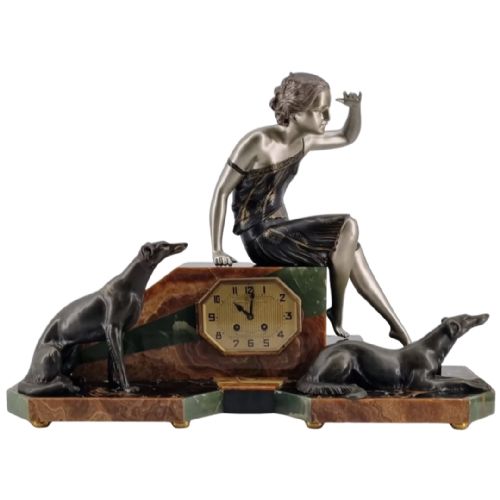
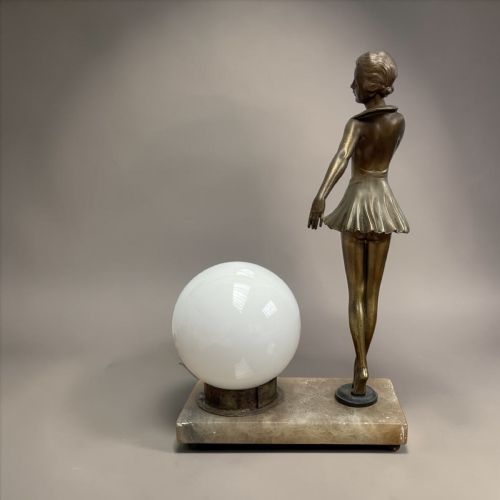
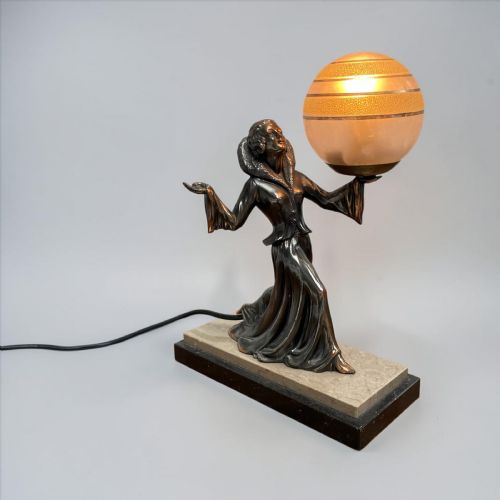
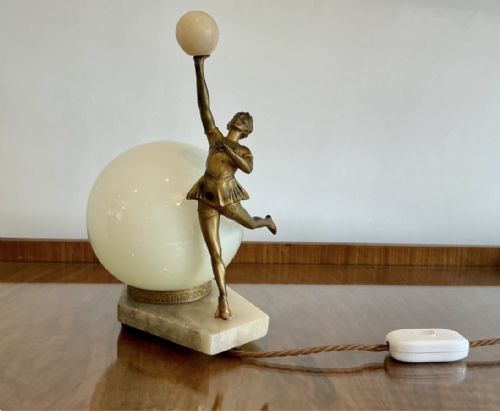
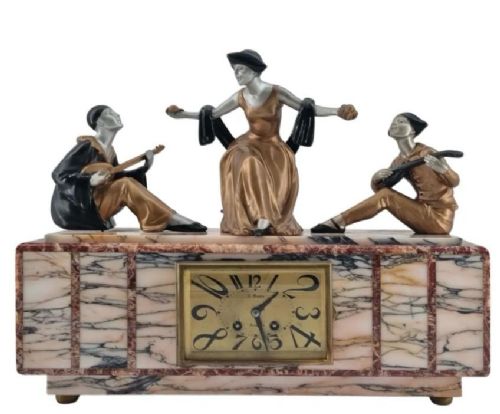
Art deco figural bronze pieces encompass sculptural works, lamps, clocks, inkwells, and table lighters produced primarily during the 1920s and 1930s. These items frequently depict human dancers, ladies, children, and animals paired with functional elements like lighting or timekeeping.
The most common forms encountered are figural table lamps and standalone sculptures mounted on stone bases. Subjects range from theatrical characters like Pierrot and Columbine to athletic figures such as tennis players and dancers.
Pieces from this category draw on both contemporary modernist aesthetics and Egyptian revival themes. They reflect the stylistic preoccupations of European workshops active in the early twentieth century.
How they were made
Foundry production utilised metal casting techniques to shape bronze, spelter, and patinated metal into complex figural compositions. Cold painting and gilding were often applied to enhance the surface detail of the figures.
Mounting and housing incorporated natural hardstones including marble, onyx, and alabaster as heavy structural bases for lamps and clock sets. Glass components such as frosted glass shades and cut crystal inkwells were integrated directly into the metalwork.
Several lamps feature dancing ladies and tennis players sharing space with frogs, dogs, and panthers.
What varies in quality
The choice of primary metal dictates the structural integrity and finish of each piece, with solid bronze offering greater durability and finer detail than alternative alloys like spelter. The refinement of the cast surface and the subtlety of patination distinguish standard production items from superior works.
The quality of associated materials such as marble or onyx bases and frosted glass shades affects the overall cohesion of the object. Integrated details, including glass eyes or hand-painted accents, demonstrate the level of craftsmanship invested in the individual workshop production.
P Sega·Alexandre Kelety·C Neuhaus·Bruno Zach·Marion Willis Stanfield·Herzig
The Art Deco Figural Bronze Glossary
- Spelter
- A zinc alloy commonly utilised as a cost-effective substitute for bronze in decorative figures and lamp bases. It takes patination well but possesses a lighter weight and softer composition than bronze.
- Patinated metal
- A metal surface treated with chemical solutions to produce a specific colouration or aged finish. This process protects the underlying material while defining the contours of the sculpture.
- Egyptian revival
- An artistic style drawing inspiration from the art and motifs of ancient Egypt. It emerges periodically in decorative arts, notably during the interwar period.
Art Deco Figural Bronze: Frequently Asked Questions
How were figural lamps used originally?
Figural lamps served as both decorative sculptures and functional light sources in domestic interiors. They were placed on desks, mantelpieces, and tables to provide ambient illumination.
The human or animal figures formed the central pillar of the lamp, integrating the electrical components or bulb fittings directly into the sculptural design.
How do I identify a spelter figure from a bronze one?
Spelter is a softer zinc-based alloy that feels lighter in hand than solid bronze and often shows a greyish metal underneath worn areas. Bronze maintains greater density and durability.
Examination of the underside or unpainted sections usually reveals the underlying material properties and casting characteristics.
Where were these decorative items produced?
Production centres were primarily located in Europe, with French foundries and workshops generating a large proportion of the figural lamps and sculptures. English makers also contributed to the domestic market.
Individual artists and sculptors supplied designs to various continental foundries for commercial distribution during the interwar decades.