


Vintage Mantelpiece Bronze Sculpture
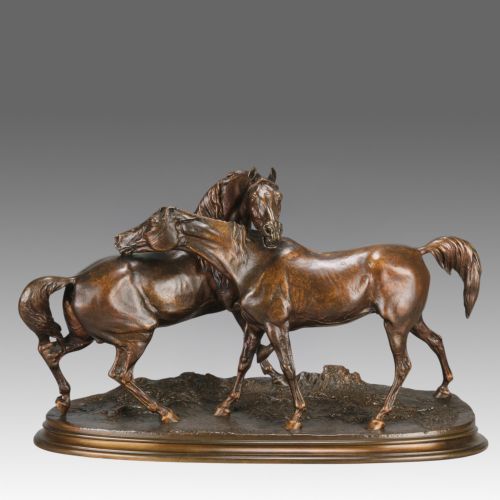
These vintage mantelpiece bronze sculpture pieces bring character to a hearth, spanning nineteen-century academic works and nineteen-thirties animalier studies.
Vintage Mantelpiece Bronze Sculpture
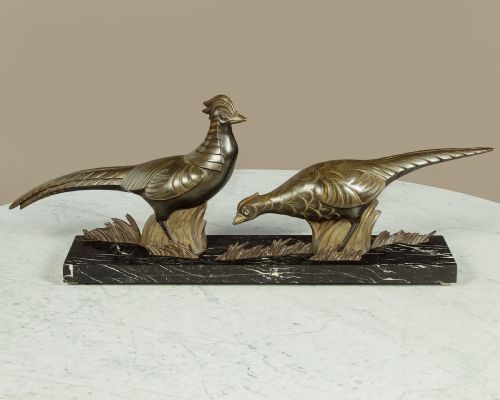
Buyers will frequently encounter nineteen-thirties pieces alongside nineteenth-century examples in this category. Materials extend beyond pure bronze to include spelter, cast metal, and patinated metal mounted upon marble and onyx bases.
How they were made
Figures were cast using traditional foundry methods in bronze, spelter, and cast metal. Many subjects were mounted firmly onto heavy stone bases made of marble or onyx to anchor the weight on a mantel.
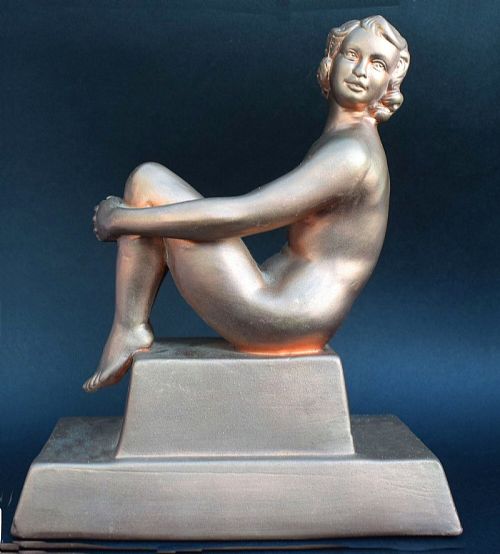
Surfaces received patination or gilt finishes to highlight the contours of human figures, deer, pheasants, and horses. Clocks integrated cast metal and bronze work directly into functioning timepieces.
Listings feature items from the nineteenth century, the Edwardian period, and the nineteen-thirties, utilising bronze, spelter, marble, and onyx.
What varies in quality
The choice and integration of the base material also mark the tier of the piece. Finer works use substantial marble or onyx plinths that complement the proportions of the metal sculpture above.
P J Mêne·Sibylle May·Edouard Drouot·C Masson·Japy Freres·J C De Blezer
The Vintage Mantelpiece Bronze Sculpture Glossary
- Animalier
- A nineteenth-century French artistic movement focusing on the realistic depiction of animals. Sculptors in this tradition studied anatomy closely.
- Spelter
- An alloy of zinc and lead used as a cost-effective alternative to bronze. It was widely utilised for decorative figures.
- Patinated metal
- Metal treated with chemical solutions to produce a specific surface colour or aged finish. This layer protects the underlying metal.
- Gilt bronze
- Bronze that has been coated with a thin layer of gold. It provides a bright, reflective surface finish.
Vintage Mantelpiece Bronze Sculpture: Frequently Asked Questions
What periods do these sculptures cover?
The pieces span the nineteenth century, the Edwardian era, and the nineteen-twenties and nineteen-thirties.
Nineteenth-century items often reflect academic or animalier traditions, while nineteen-thirties items typically display Art Deco styling.
Are all these sculptures made of bronze?
While bronze is common, many pieces utilise spelter, cast metal, and patinated metal.
Base materials also vary significantly, frequently incorporating marble and onyx alongside the metal figures.
What subjects are most common?
Animals and human figures dominate the selection, including stags, deer, dogs, pheasants, and horses.
Human subjects range from classical musketeers and female nudes to stylised Art Deco figures and mother-and-child groups.