



Bronze Athletic Male Statue
These bronze athletic male statue examples capture heroic muscular form through classical subjects and modern sporting figures.
Bronze Athletic Male Statue
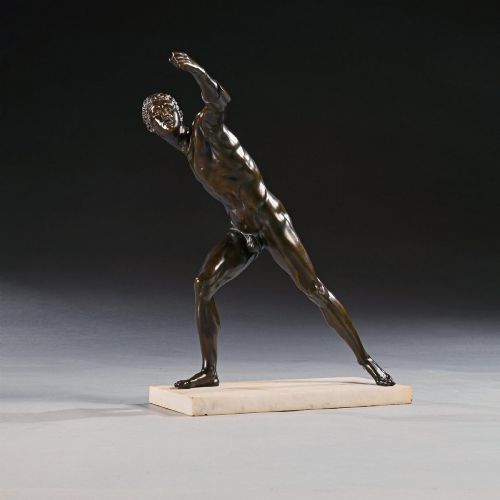
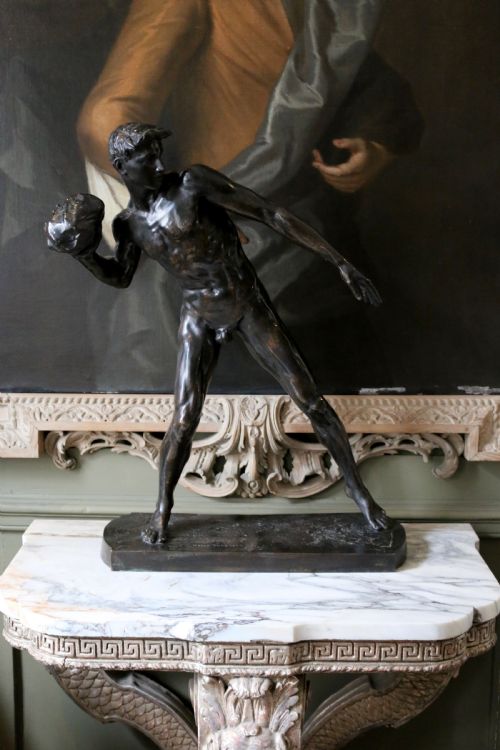
A bronze athletic male statue represents the human form through classical subjects, mythological heroes, and modern sporting figures. These sculptures capture muscular tension and physical strength in dynamic poses ranging from resting postures to intense competition. When searching this phrase, buyers encounter examples originating from nineteenth-century Grand Tour souvenirs to twentieth-century modernist works.
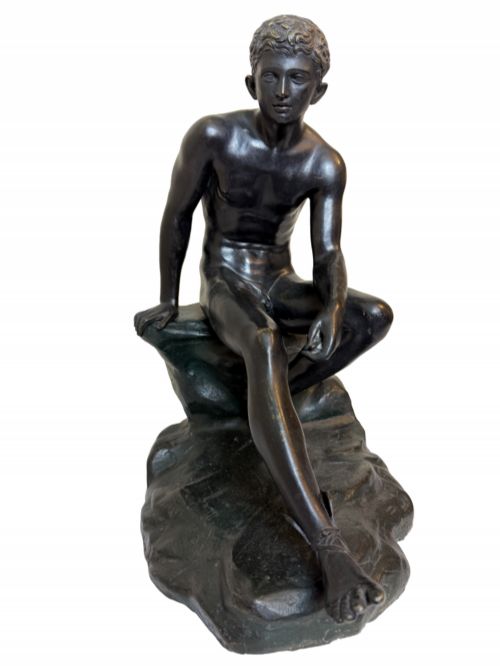
The nineteenth-century pieces often draw from classical antiquity, depicting gladiators, wrestlers, and mythological heroes with detailed musculature. Victorian New Sculpture and Classical Revival examples emphasise anatomical precision and narrative drama. These traditional works frequently rest upon heavy stone or marble bases.
Twentieth-century interpretations shift toward distinct aesthetic movements including Art Nouveau and Art Deco. These later pieces portray tennis players, fencers, power lifters, and Olympians with stylised energy and clean geometric lines. Patinated bronze and spelter versions from the nineteen-thirties reflect contemporary enthusiasm for physical culture and sport.
Materials and construction
The primary material found across these sculptures is bronze, often enhanced with patination to create deep tonal variation across the muscular surfaces. Certain pieces utilise spelter as a more accessible alternative metal, while others incorporate metal alloys for structural stability. Many figures are finished with dark or metallic patinas that accentuate anatomical contours.
Foundations and mounting elements frequently integrate natural stone and marble to support the weight of the metal figures. Bases range from simple polished plinths to elaborate rocky outcrops integral to the narrative scene. The interaction between the cold metallic figure and the heavy stone base defines the physical presence of each piece.
Listings feature periods spanning the Victorian era through the nineteen-thirties, utilising bronze, spelter, marble, and stone.
Distinctions in craftsmanship
The quality of the patina and the integration of the figure with its marble or stone base contribute significantly to the overall cohesion of the work. Finer patination exhibits subtle graduation of tone rather than uniform dark coating. Furthermore, the weight and stability of the mounting reflect the underlying standard of manufacture.
Hamo Thornycroft·Desire Grisard·Rudolf Küchler·Bruno Zach·Eden Antony Paul Noel
The Bronze Athletic Male Statue Glossary
- Patinated bronze
- Bronze treated with chemical solutions to produce a specific surface colour or finish. This process protects the metal and highlights sculptural details.
- Grand Tour
- A traditional educational trip through Europe undertaken by upper-class young men in the eighteenth and nineteenth centuries. Souvenirs included small-scale bronzes of classical statuary.
- Spelter
- An zinc alloy used as a less expensive substitute for bronze in decorative metalwork. It is typically painted or electroplated to imitate bronze finishes.
- Neoclassical
- An artistic movement drawing inspiration from the art and culture of classical antiquity. It prioritises proportion, restraint, and classical subject matter.
Bronze Athletic Male Statue: Frequently Asked Questions
What periods do these bronzes span?
The pieces range from nineteenth-century interpretations of classical antiquity to twentieth-century Art Deco sporting figures. Victorian and Grand Tour examples sit alongside works from the nineteen-twenties and nineteen-thirties.
This broad timeline encompasses traditional academic sculpture as well as modernist athletic studies in metal and stone.
How do I identify a Grand Tour piece?
Grand Tour bronzes typically depict classical figures, gladiators, or mythological subjects created as souvenirs for travellers in the nineteenth century. They often feature dark patination and are mounted on simple stone or marble bases.
These sculptures reflect an academic interest in ancient Roman and Greek art forms popular during the Victorian era.
What is the difference between bronze and spelter?
Bronze is a durable copper alloy capable of capturing fine sculptural detail and supporting heavy patination. Spelter is a softer, zinc-based metal alloy utilised for more accessible decorative figures.
Spelter pieces frequently rely on applied surface coatings to simulate the appearance of genuine bronze.
How should I display a heavy bronze figure?
These sculptures require a stable, level surface capable of supporting considerable weight from both the metal figure and its stone base. Placing them away from direct heat sources helps preserve the stability of the patinated surface.
Allowing adequate clearance around the piece ensures the dynamic poses and detailed musculature remain fully visible from multiple angles.