



Art Deco Display Stand
An art deco display stand gives any interior a distinct geometric lift, holding small objects and books with clean, modernist lines.
Art Deco Display Stand
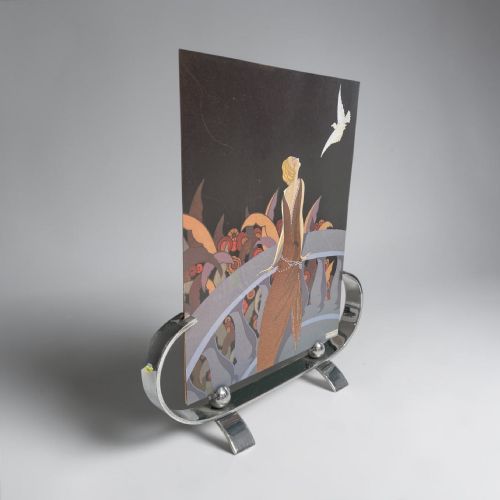
When you search for an art deco display stand, you encounter pieces designed to elevate objects, books, or wares within a room or shop window. These items emerge primarily from the nineteen-thirties and nineteen-twenties, though related early twentieth-century forms appear alongside them.
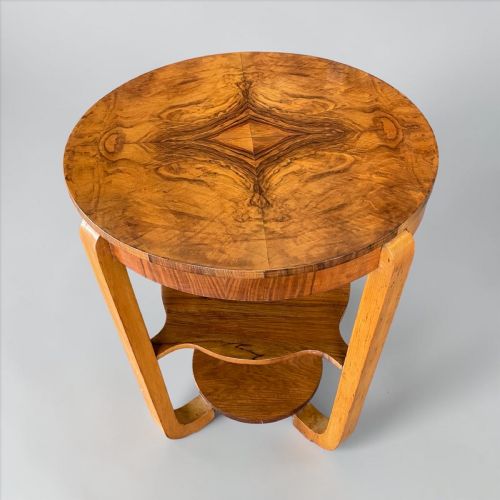
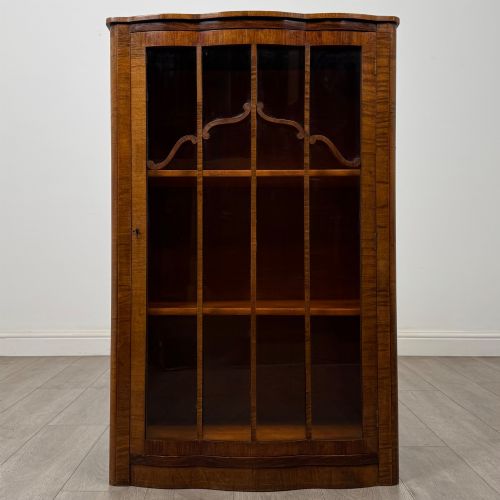
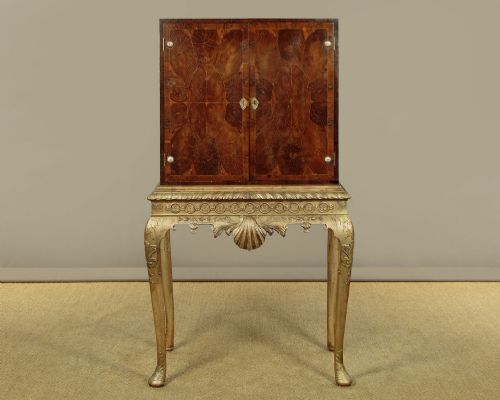
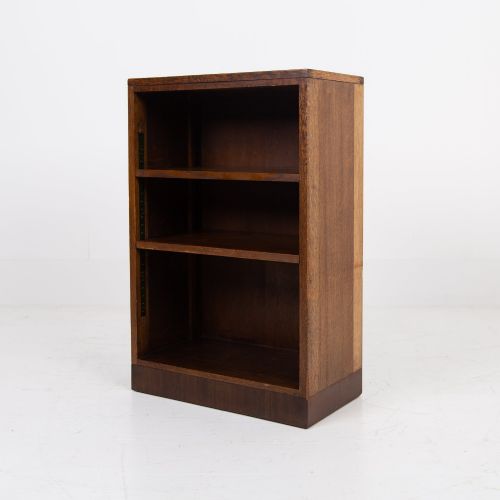
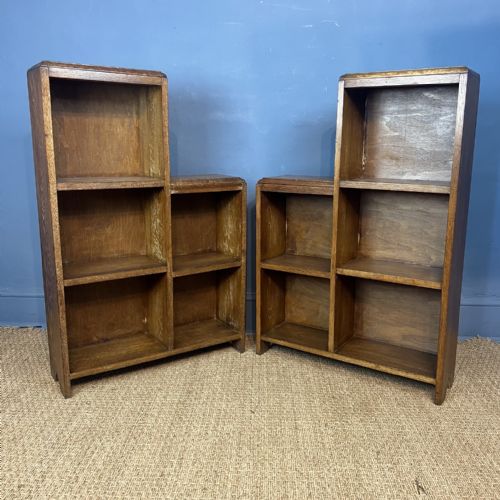
You meet various configurations here, ranging from tiered tables and pedestals to small cabinets on stands, bookcases, and specialised countertop shelves. Oak, walnut, and mahogany dominate the wooden pieces, often paired with glass, brass, chrome, or silver plate.
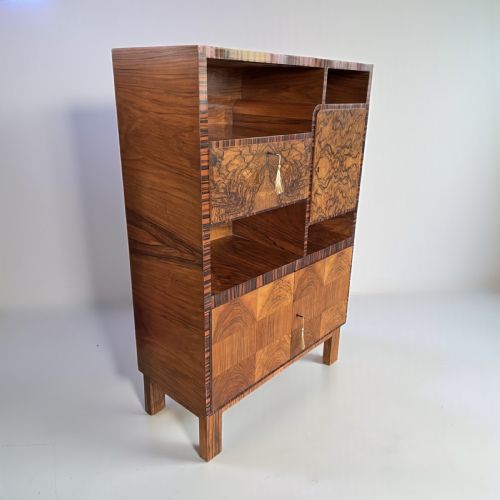
The aesthetic draws heavily on the period's love for stepped profiles, rich veneers, and contrasting dark woods such as macassar ebony. Alongside straightforward domestic examples, the selection includes pieces derived from shop window displays and millinery use.
What varies in quality
The calibre of an art deco display stand rests heavily on the selection of face veneers and the crispness of its geometric mouldings. Pieces featuring highly figured walnut, burr elm, or contrasting ebony banding display a superior level of ambition from the workshop.
Construction details differentiate standard production items from workshop pieces bearing attribution to known makers. The integration of materials, such as heavy plate glass housed securely within chromed or brass frames, dictates the structural integrity and finish of the piece.
Art Deco Display Stand Retail Price Guide 2026
Typical asking prices for art deco display stand among the pieces listed under this phrase on Sellingantiques today, from the lower quarter to the upper quarter. They describe what is for sale here now, not the wider market.
Listings feature oak, walnut, and mahogany alongside glass, brass, and silver plate from the 1900s through the 1930s.
Heals·Hille·Sandberg and Co·Epstein·Elkington
The Art Deco Display Stand Glossary
- Veneer
- A thin slice of figured wood applied over a secondary timber core to create decorative surface patterns. Walnut and macassar ebony are typical examples found on these pieces.
- Macassar ebony
- A dense tropical hardwood featuring dark brown and black stripes, utilised for high-contrast decorative banding and pedestals.
- Silver plate
- A thin layer of silver applied to a base metal such as copper or brass. It appears frequently on cake stands, display frames, and mirror plateaux.
- Triptych
- A piece composed of three panels hinged together, commonly seen here in picture and photo frames from the period.
- Pedestal
- A tall, freestanding column or support designed to elevate a single object, vase, or sculptural piece above floor level.
Art Deco Display Stand: Frequently Asked Questions
What is an art deco display stand used for?
These stands serve to elevate and showcase smaller decorative items, books, jewellery, or photographs within a room. Their tiered and stepped structures allow multiple items to be viewed clearly without cluttering a surface.
Historically, similar stands also functioned in retail environments, including shop windows and jewellers' countertops, to present wares to customers.
How do I date an art deco display stand?
Dating relies on stylistic markers such as stepped outlines, geometric mouldings, and the use of specific materials like chrome, mirrored glass, and exotic veneers. Most pieces originate from the nineteen-twenties and nineteen-thirties.
Registration marks, silver hallmarks, or maker labels can provide more precise manufacturing years when present on the metalwork or timber.
Are these stands suitable for small rooms?
Many forms, such as wall mirrors with display ledges, narrow occasional tables, and tabletop shelves, take up very little floor space while adding vertical storage. Corner units and compact tiered tables fit neatly into restricted areas.
Their reflective glass and polished wooden surfaces also help bounce light around smaller spaces.
How do I clean wooden and metal display stands?
Wooden surfaces finished with polish benefit from a gentle wipe with a soft, dry cloth to remove dust. Avoid silicone-based sprays that can build up on vintage veneers over time.
Metal components in brass, chrome, or silver plate require careful cleaning with appropriate metal care products, taking care to keep polishes away from adjacent wooden or fabric parts.