




Art Deco Compact Case
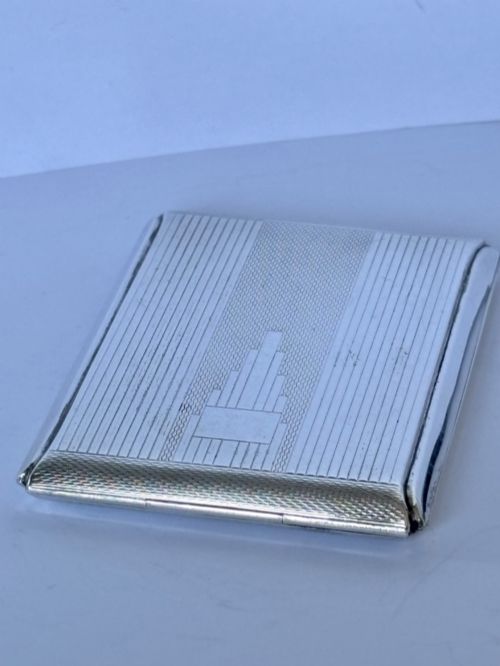
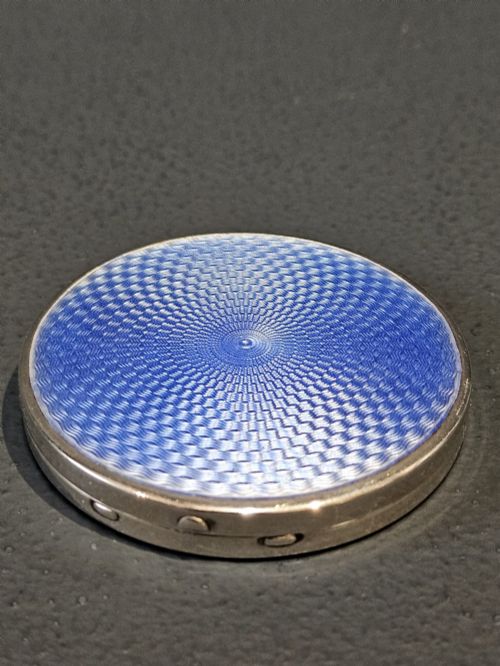
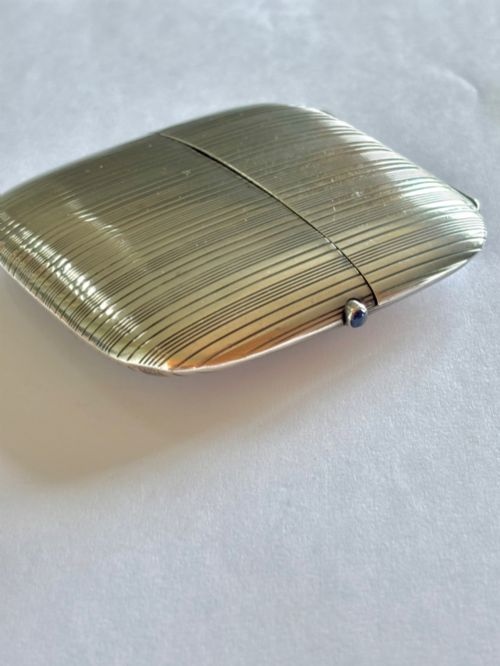
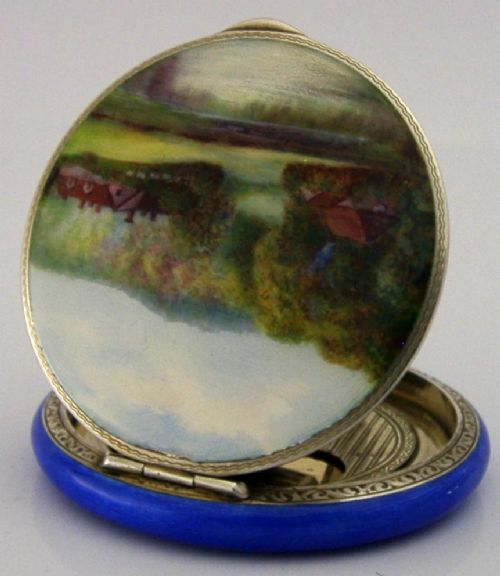
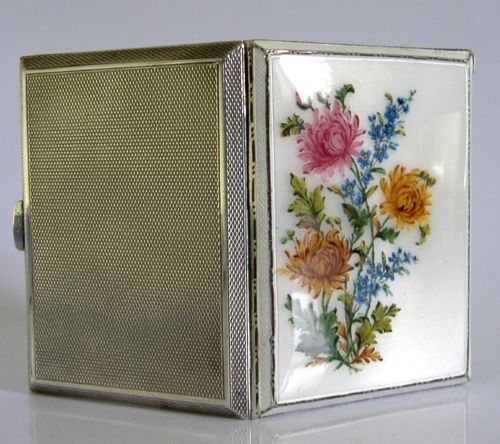
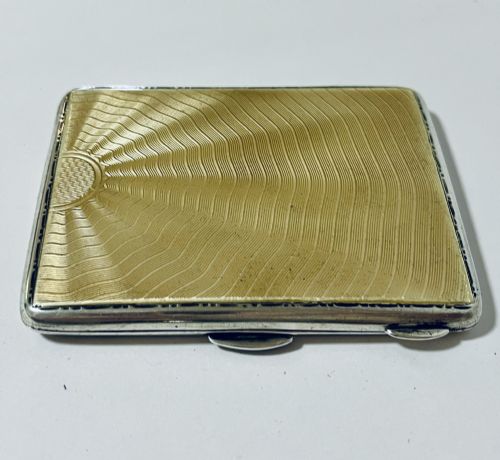
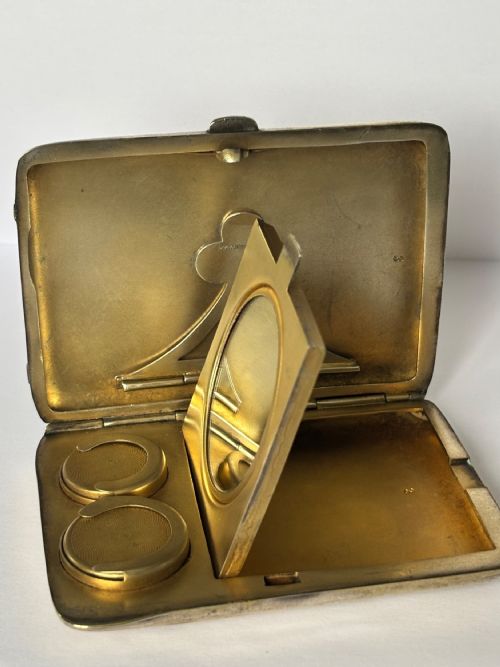
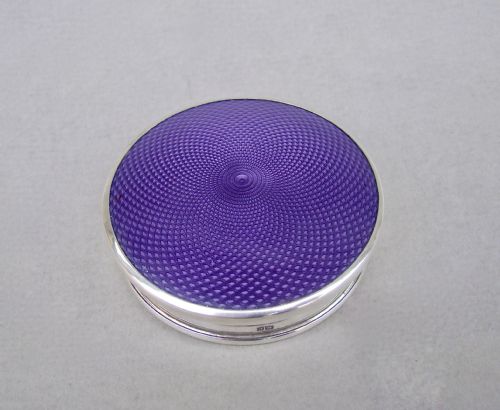
These art deco compact case examples bring geometric polish and bright enamel work to the dressing table.
Art Deco Compact Case
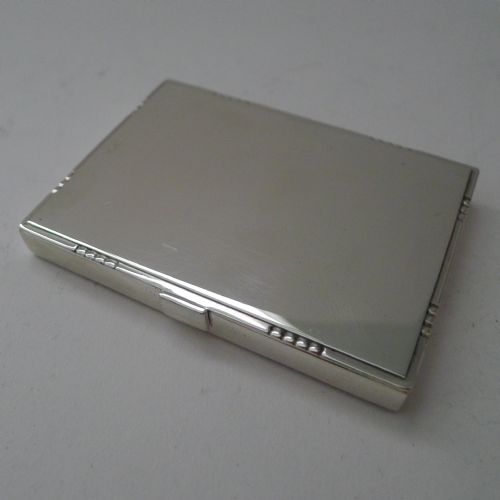
An art deco compact case is a small personal container designed to hold powder, mirrors, or cigarettes, emerging primarily from the 1920s and 1930s. These pocket items served fashionable women as both practical vanity tools and striking evening accessories.
The most common versions on this page combine silver or chrome frames with colourful guilloche enamel lids. Alongside standalone powder compacts, the selection includes combination cases, cigarette holders, and vanity items.
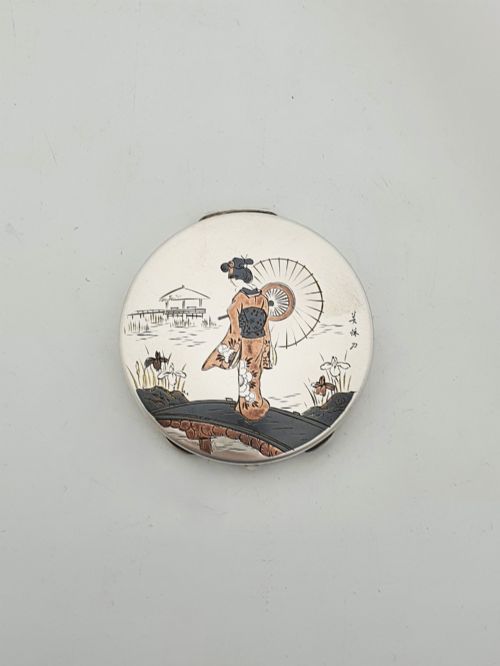
Origins span British workshops, French makers, German metalworkers, and Chinese export silversmiths. Pieces often display geometric motifs or hand-painted floral scenes typical of the era.
Materials and Craftsmanship
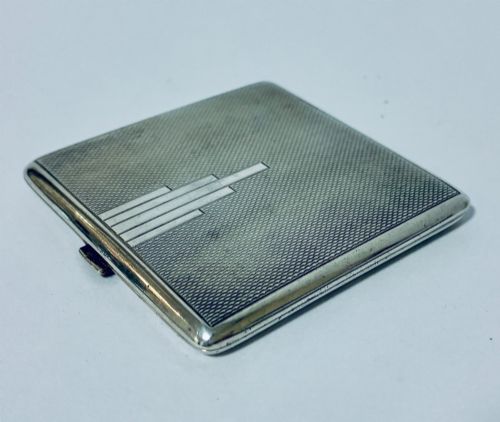
Metals form the structural core, utilising sterling silver, German silver, silver-gilt, chrome, brass, and solid gold. Engine turning and cast techniques create textured geometric patterns across the metal surfaces.
Enamel provides the distinctive colour through intricate guilloche work and hand-painted details. Supplementary materials such as bakelite, celluloid, tortoiseshell, diamond accents, and suede linings complete the interior and exterior detailing.
Art Deco Compact Case Retail Price Guide 2026
Typical asking prices for art deco compact case among the pieces listed under this phrase on Sellingantiques today, from the lower quarter to the upper quarter. They describe what is for sale here now, not the wider market.
Materials recorded across the inventory include sterling silver, gilt metal, chrome, brass, enamel, bakelite, and tortoiseshell.
Judging Quality and Execution
The sophistication of the enamel work dictates much of the distinction between standard pieces and exceptional examples. Fine guilloche patterns beneath translucent enamel require precise machine engraving on the underlying metal.
Maker attribution and precious metal purity elevate a piece significantly. Signed items from known firms or silversmiths demonstrate superior hardware integration, tight hinge alignment, and secure clasp mechanisms.
Henry Matthews·The Daniel Manufacturing Co·Henry Perkins & Sons·Richard Hudnut·Van Cleef & Arpels·Houbigant·Asprey
The Art Deco Compact Case Glossary
- Guilloche
- A decorative technique where a mechanical lathe engraves precise, intricate geometric patterns into a metal substrate. Translucent enamel is then applied over this pattern to create depth and shimmering light effects.
- Minauderie
- A small precious evening bag or rigid metal case featuring internal compartments for cosmetics, cigarettes, and cards. These integrated accessories often combine mirror sections with lipstick holders.
- Sterling Silver
- An alloy consisting of silver and other metals, usually copper, standardised for purity. Items stamped with this designation meet specific legal thresholds for precious metal content.
- Engine Turned
- A method of ornamentation using a specialised lathe to cut precise symmetrical lines into metal surfaces. This technique adds texture and catches light beneath coloured enamel layers.
- Silver-Gilt
- Silver objects coated with a thin layer of gold over the surface. This finish provides the warm tone of gold while utilising a silver base structure.
Art Deco Compact Case: Frequently Asked Questions
What is an art deco compact case?
An art deco compact case is a portable vanity container designed during the interwar decades to hold face powder, mirrors, or cigarettes. They reflect the modernist geometric design principles of the period through structured metal and enamel.
These accessories served as fashionable daily items for carrying in handbags or displaying during evening events. They range from simple metal boxes to complex combination cases holding lipsticks and cards.
How do I date an art deco compact case?
Dating relies on hallmarks, maker stamps, materials, and stylistic cues present on the metalwork. Pieces from the 1920s often feature vibrant guilloche enamel and precise geometric engraving.
Items from the 1930s frequently incorporate chrome, bakelite, and streamlined forms. Hallmarks on silver components provide specific assay office marks and date letters for British items.
What materials were used in these compacts?
Maker workshops utilised sterling silver, silver-gilt, chrome, brass, and solid gold for the structural frames. Enamel served as the primary medium for adding colour to the lids.
Secondary materials included celluloid, bakelite, tortoiseshell, and diamond accents. Interiors frequently featured mirrors, silk linings, and suede compartments.
How were combination cases used?
Combination cases housed multiple personal items within a single rigid metal enclosure. A user could carry powder, a mirror, cigarettes, and sometimes lipstick or coins together.
These versatile accessories minimised the need to carry separate items during evening outings. Internal spring clips and folding panels kept each component secure.
How do I care for an enamel compact?
Enamel requires gentle handling to prevent scratching or chipping against hard surfaces. Cleaning should involve soft, dry cloths without abrasive chemical polishes.
Strokes and pressure should remain light, particularly around hinges and clasp areas. Storing cases away from direct sunlight protects the integrity of coloured enamel and internal mirrors.