





Art Deco Ceramic Lady
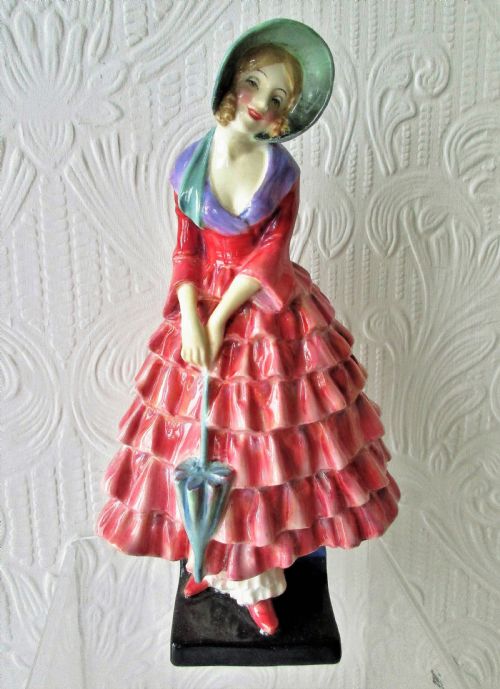
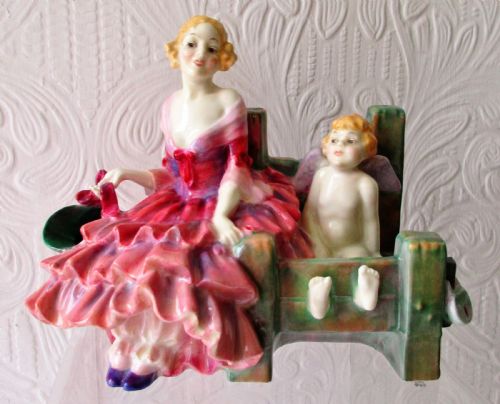
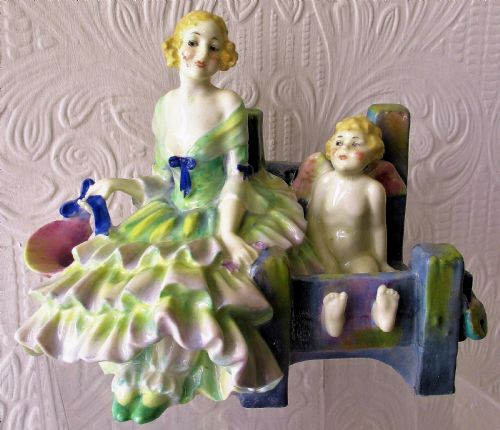
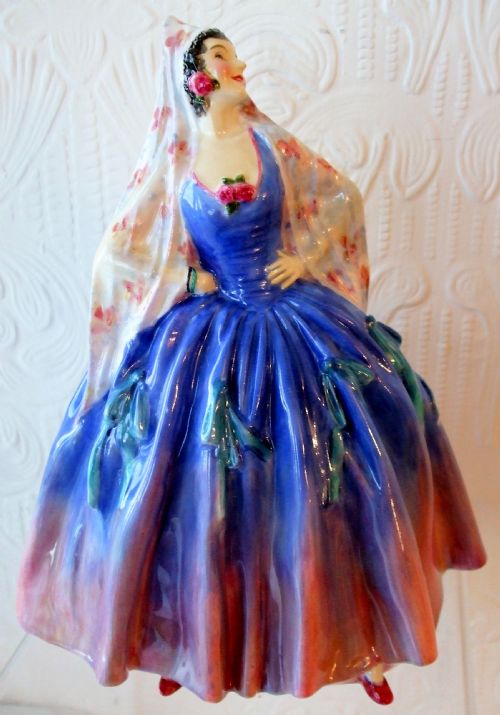
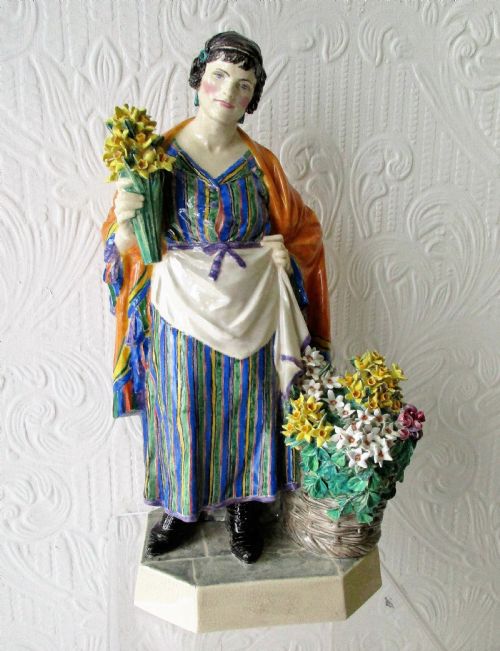
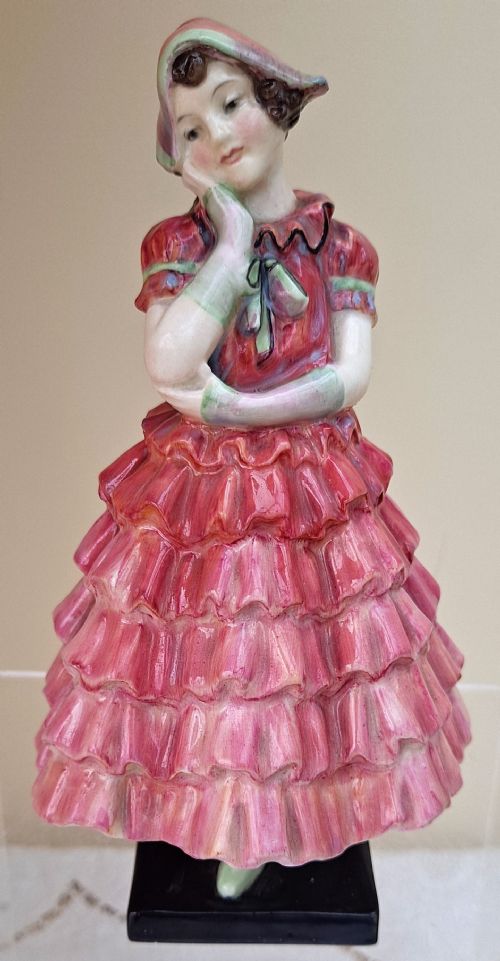
These striking art deco ceramic lady figures capture the kinetic glamour of the interwar years with vivid glazes and stylised forms.
Art Deco Ceramic Lady
When you search for an art deco ceramic lady, you encounter functional vanity objects and sculptural figures originating mostly from the nineteen-thirties, spanning English porcelain, French porcelain, and German earthenware. The selection on this page centres on glazed porcelain and ceramic pieces, ranging from Royal Doulton figures to Limoges powder bowls and continental trinket boxes.
Makers in this category combine utility with sculpture, producing powder boxes, perfume sets, half doll dresser boxes, and bathing belle hat pin holders alongside freestanding figurines. English studios and continental potteries alike rendered these women as flappers, dancers, and elegant figures of the period.
The objects take various domestic forms designed for the dressing table, including bonbonniere jars, pin cushion dolls, and figural powder bowls featuring pierrots or pet dogs. Each piece reflects the aesthetic preoccupation with feminine grace during the nineteen-thirties and nineteen-forties.
Materials and technique
Manufacturers in England, France, and Germany utilised mould-casting techniques to achieve consistent forms for functional vanity items like powder bowls and perfume bottles. Artisans then hand-painted or glazed the surfaces before firing, securing the vibrant tones characteristic of nineteen-thirties ceramics.
Several ladies double as functional hat pin holders or perch atop bathing belle powder puffs.
Quality differences
The distinction between tiers rests upon the precision of the moulding and the delicacy of the hand-painting on faces and garments. Superior examples maintain crisp facial expressions and smooth, even glaze application without pooling or running.
Makers such as Royal Doulton and Limoges achieved greater refinement in their porcelain bodies and translucent glazes compared to standard commercial wares. The integrity of subsidiary parts, such as matching powder bowl lids and intact pin cushions, also influences the standing of an individual piece.
Royal Doulton·Charles Vyse·Limoges·Fasold And Stuach
The Art Deco Ceramic Lady Glossary
- Flapper
- A term describing the modern young woman of the nineteen-twenties and nineteen-thirties who favoured short skirts, bobbed hair, and lively social participation. This archetype inspired many ceramic figurines and powder boxes of the era.
- Half doll
- A ceramic torso without legs, commonly manufactured to sit atop powder puffs, pin cushions, or boudoir lamps during the early twentieth century. They allowed the wearer's vanity accessories to double as decorative sculptural objects.
- Bone china
- A type of porcelain composed of bone ash, feldspar, and kaolin, known for high strength and chip resistance. English potteries utilised it to produce thin-walled figurines with delicate translucency.
- Bonbonniere
- A small decorative box or jar designed to hold sweets or confections. In art deco ceramics, these containers frequently featured sculpted female figures on the lids.
- Earthenware
- Porous pottery fired at lower temperatures than porcelain and typically covered in an opaque glaze. It served as a common body for continental figural boxes and decorative items.
Art Deco Ceramic Lady: Frequently Asked Questions
What were these ceramic ladies used for?
Many of these pieces served practical functions on dressing tables, holding face powder, trinkets, perfume, or pins.
Others functioned purely as decorative figurines, bringing colourful modernist style to mantelpieces and boudoirs during the nineteen-thirties.
Are these items made of porcelain or earthenware?
Makers used various ceramic bodies including bone china, fine porcelain, and earthenware depending on the workshop and region.
English factories often favoured porcelain and bone china, while continental potteries frequently employed earthenware.
How should I clean my ceramic lady figure?
Dust the surface gently with a soft, dry brush to prevent accumulation in the crevices of glazed folds and moulded hair.
Avoid immersing pieces that feature delicate gold leaf decoration or fabric components in water.