


Art Deco Bronze Lighting
Art deco bronze lighting brings geometric discipline and figural grace into a room through table lamps, wall sconces, and hanging lanterns.
Art Deco Bronze Lighting
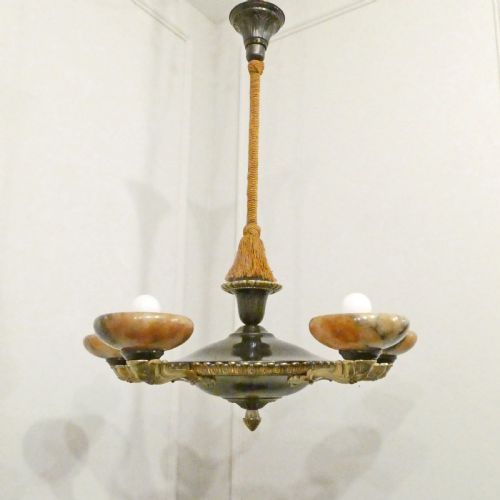
Art deco bronze lighting encompasses a diverse range of objects designed to illuminate interior spaces while serving as sculptural centrepieces. The search phrase covers utilitarian pieces transformed by the aesthetic movements of the early twentieth century into decorative works. Collectors encounter table lamps, ceiling lights, wall lights, and grand chandeliers dating from the 1910s through the 1940s.
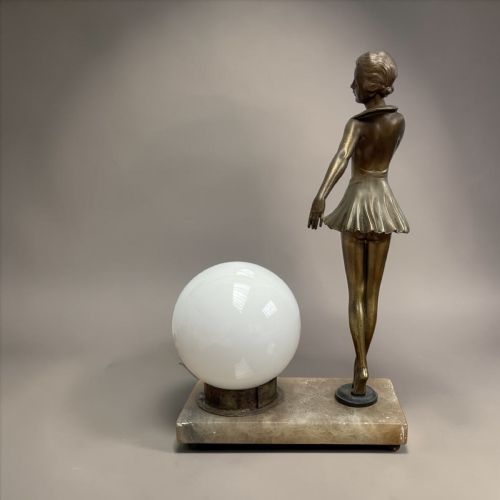
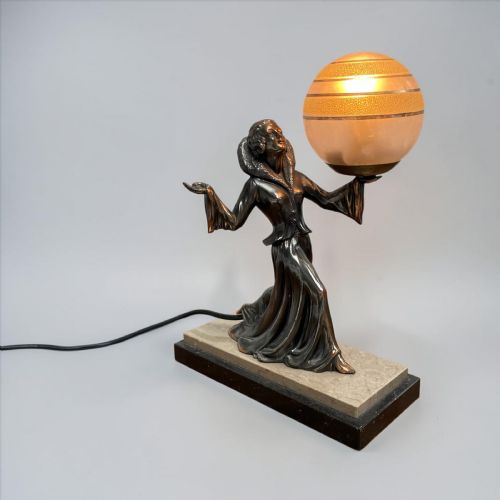
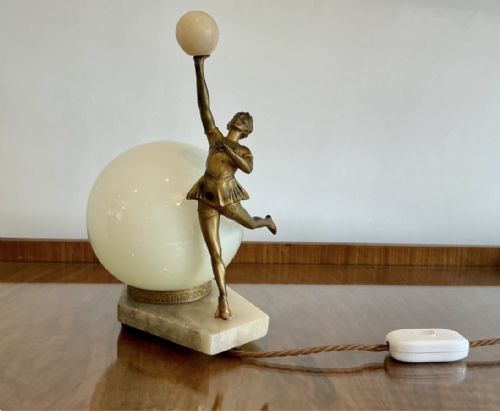
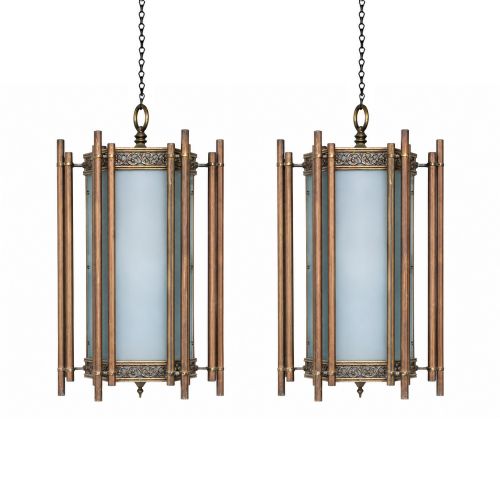
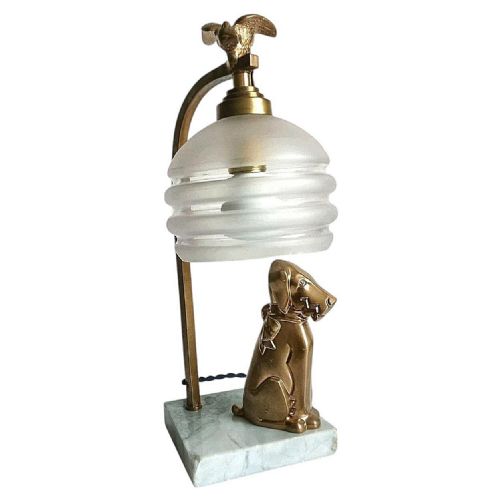
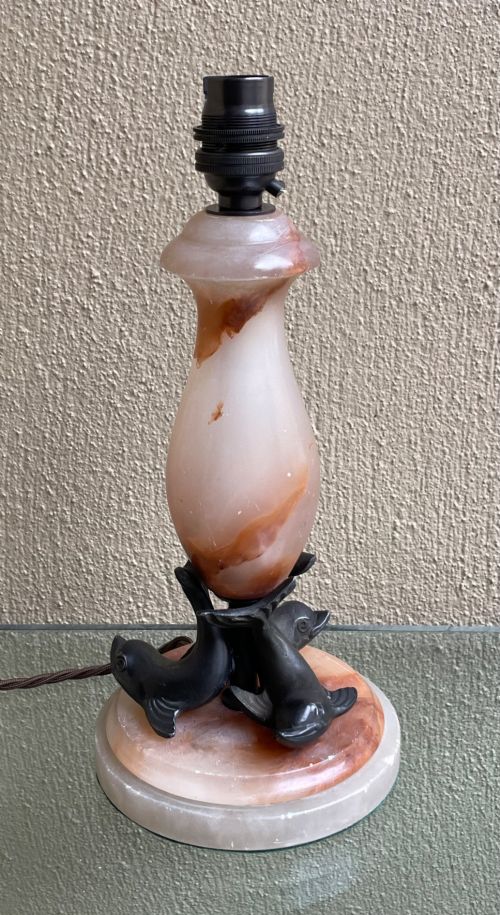
Table lamps dominate the selection, frequently taking the form of figural lady lamps, animals such as greyhounds and dogs, or architectural silhouettes. These pieces emerge from periods spanning the 1920s and 1930s, often combining metal figures with heavy stone bases. Alongside domestic table lamps, larger architectural forms like hanging lanterns and multi-tier chandeliers appear frequently.
Materials and Construction
Maker workshops utilised a combination of cast metals, natural stone, and specialised glass to construct these light fittings. Bronze, brass, patinated metal, and spelter form the structural foundations and figural components, often paired with heavy marble or alabaster bases for stability. Artisans applied cold painting, patination, and metallic finishes directly onto the metal surfaces.
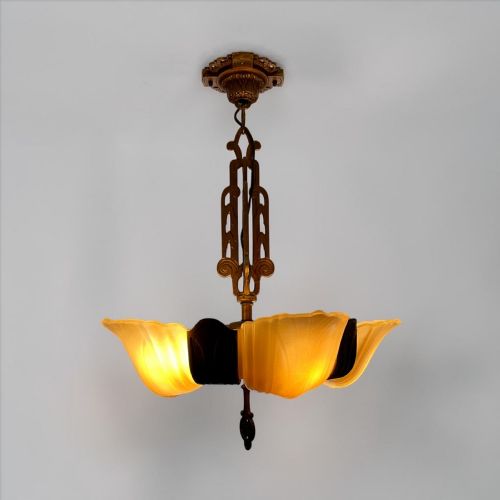
Illumination relied heavily on glass elements, notably frosted glass, opalescent glass, cut glass, and slip shades that diffused light evenly. Some designs incorporate alternative materials such as toleware and macassar ebony to accent the metalwork. These varied components were assembled using threaded rods, screws, and brackets characteristic of the period's manufacturing techniques.
Greyhounds, parrots, and accordion-playing Pierrots frequently share lighting duties with elegant ladies.
Assessing Quality and Execution
The distinction between standard commercial production and superior execution lies in the sharpness of the casting and the fidelity of the figural detail. Pieces featuring named sculptors or complex foundry work display finer chiselling on bronze and spelter figures. Heavier gauge metalwork and thicker, moulded slip shades indicate a higher grade of manufacture.
Material selection significantly influences the overall calibre of a fixture, particularly the density of the marble base and the clarity of the glass shades. Original patination and cold-painted surfaces retain greater desirability than later recoloured finishes. The integration of auxiliary materials like alabaster and cut glass elevates the architectural presence of the object.
Bruno Zach·P.Sega
The Art Deco Bronze Lighting Glossary
- Slip Shade
- A moulded frosted or opalescent glass shade that fits into a metal frame, commonly seen in American ceiling lights and wall sconces.
- Spelter
- A zinc alloy frequently utilised as a cost-effective alternative to bronze for figural lamp bases during the interwar period.
- Jugendstil
- The continental European style of art nouveau that preceded and influenced early twentieth-century geometric lighting designs.
- Patinated Metal
- Metal treated with chemical solutions to produce a specific surface colour or aged finish.
- Torchere
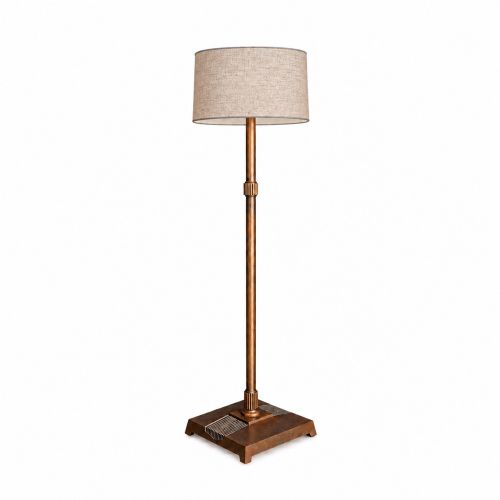
- A tall floor lamp designed to direct light upwards toward the ceiling.
Art Deco Bronze Lighting: Frequently Asked Questions
How do I identify a genuine period piece?
Authentic period lighting displays construction methods, wiring apertures, and patination consistent with manufacturing techniques from the 1920s and 1930s. Examination of the metal casting, glass moulds, and base materials helps distinguish original fabrication from later reproductions.
Heavier components, authentic wear patterns on patinated surfaces, and period-appropriate fixings further support correct attribution. Consulting the specific design characteristics associated with regional movements provides additional context.
What styles are included in these lighting fixtures?
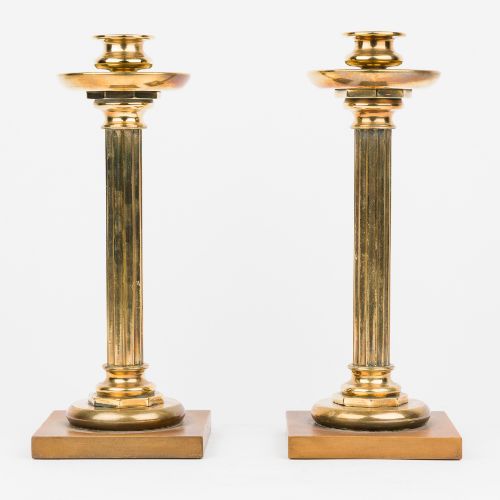
The selection incorporates classic Art Deco alongside related early twentieth-century movements such as Bauhaus, the Amsterdam School, and Jugendstil. Egyptian Revival influences also appear in figural candlesticks and sculptural lamp bases.
These diverse stylistic currents manifest through geometric motifs, stylized animal figures, and architectural silhouettes. French and American regional variations contribute distinct aesthetic traits to the overall category.
Were these lights used as primary illumination?
Many of these fixtures served as both decorative mood lighting and functional sources of illumination within domestic interiors. Table lamps and boudoir wall lights provided localized glow for specific seating areas and hallways.
Larger ceiling lights and chandeliers functioned as central overhead illumination for major reception rooms. Night lights and torcheres offered subdued auxiliary lighting for bedrooms and corners.
How should I care for bronze and marble lamps?
Bronze and metal surfaces benefit from occasional dusting with a soft, dry cloth to prevent the accumulation of airborne particles. Harsh chemical polishes should be avoided to preserve original patination and cold-painted details.
Marble and alabaster bases require gentle cleaning with a damp cloth, followed immediately by drying. Electrical components should be inspected periodically by a qualified professional to ensure safety.