


Bronze Figurine Lamps
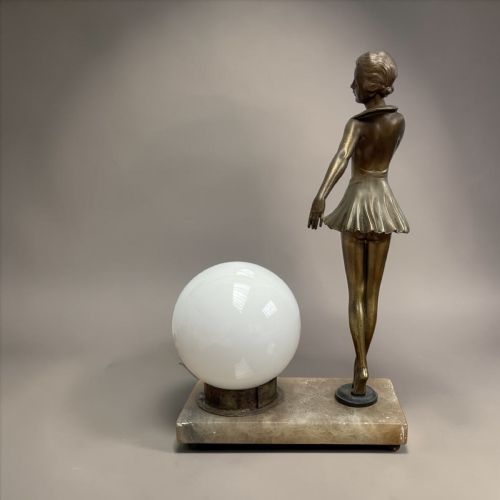
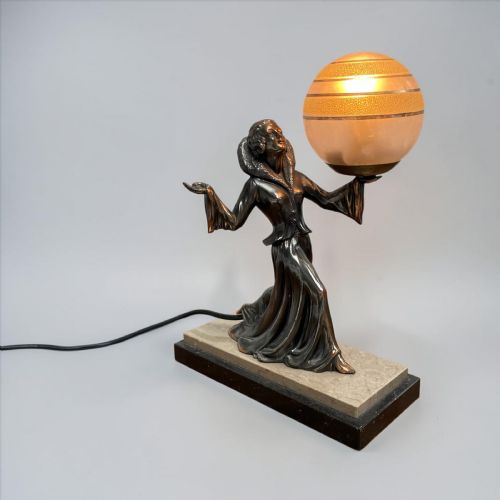
Bronze figurine lamps bring sculptural presence and warm illumination to a room, combining figures in bronze, spelter, and metal with fitted lighting.
Bronze Figurine Lamps
Bronze figurine lamps combine sculptural human and animal figures with table lighting, spanning periods from the nineteenth century through the Art Deco era. When buyers search for bronze figurine lamps, they encounter figures ranging from classical cherubs to Art Deco ladies and athletic subjects mounted on sturdy bases.
The pieces appearing on this page encompass French Rococo Revival, Art Nouveau, and distinct Art Deco styles. Table lamps and night lights mounted on marble bases dominate the selections, alongside converted statuettes and porcelain combinations.
Origins stretch across nineteenth-century classical casting traditions into early twentieth-century French workshops. The figures often depict distinct characters, such as pierrots, greyhounds, tennis players, and young boys.
How they were made
Foundries cast figures in bronze, gilt bronze, ormulu, and patinated metal, while more economical pieces utilise spelter. These metal figures are frequently paired with heavy marble bases for structural balance.
Makers integrated electrical fittings or burner mechanisms alongside glass and fabric elements to transform decorative statuary into functional table lamps. Many nineteenth-century items began as standalone cherub statuettes before later conversion into lamps.
Base materials recorded across the inventory consistently pair heavy marble with metal figures.
What varies in quality
The refinement of the casting and the depth of the patination distinguish superior figures from simpler production pieces. Crisp facial expressions and well-defined drapery separate finer sculptures from softer, mass-produced castings.
The integration of the figure with its marble base and the quality of the original mounting hardware dictate the structural integrity of the piece. Authentic period conversions retain harmonious proportions between the sculptural subject and the lighting apparatus.
Moreau
The Bronze Figurine Lamps Glossary
- Spelter
- A zinc alloy frequently used as a substitute for bronze in decorative figures during the nineteenth and early twentieth centuries. It accepts patination well but is softer than true bronze.
- Patinated Metal
- Metal surfaces treated with chemical solutions to produce an aged or coloured finish rather than showing the bright raw material. This finish enhances the definition of sculptural details.
- Ormolu
- Gilt bronze created by applying a finely ground high-carat gold-mercury amalgam to a bronze object and heating it. The technique produces a rich golden lustre seen on French decorative pieces.
- Night Light
- A smaller scale decorative lamp designed to provide subdued illumination rather than bright room lighting. These often feature figures mounted on marble plinths alongside small glass shades.
Bronze Figurine Lamps: Frequently Asked Questions
Are these lamps original period pieces?
The selection includes authentic nineteenth-century items alongside pieces created during the Art Deco period of the 1920s and 1930s. Materials and mounting styles help determine the manufacturing era.
Some figures originated as standalone statuettes or desk objects before being converted into table lamps during later decades.
What materials are used for the figures?
Foundries cast figures in traditional bronze, gilt bronze, and patinated metal, alongside more affordable spelter. Marble frequently forms the heavy base supporting the metal sculpture.
Glass and fabric elements appear in the associated lighting components and shades that complete the assembled lamp.
How do I style a figurine lamp?
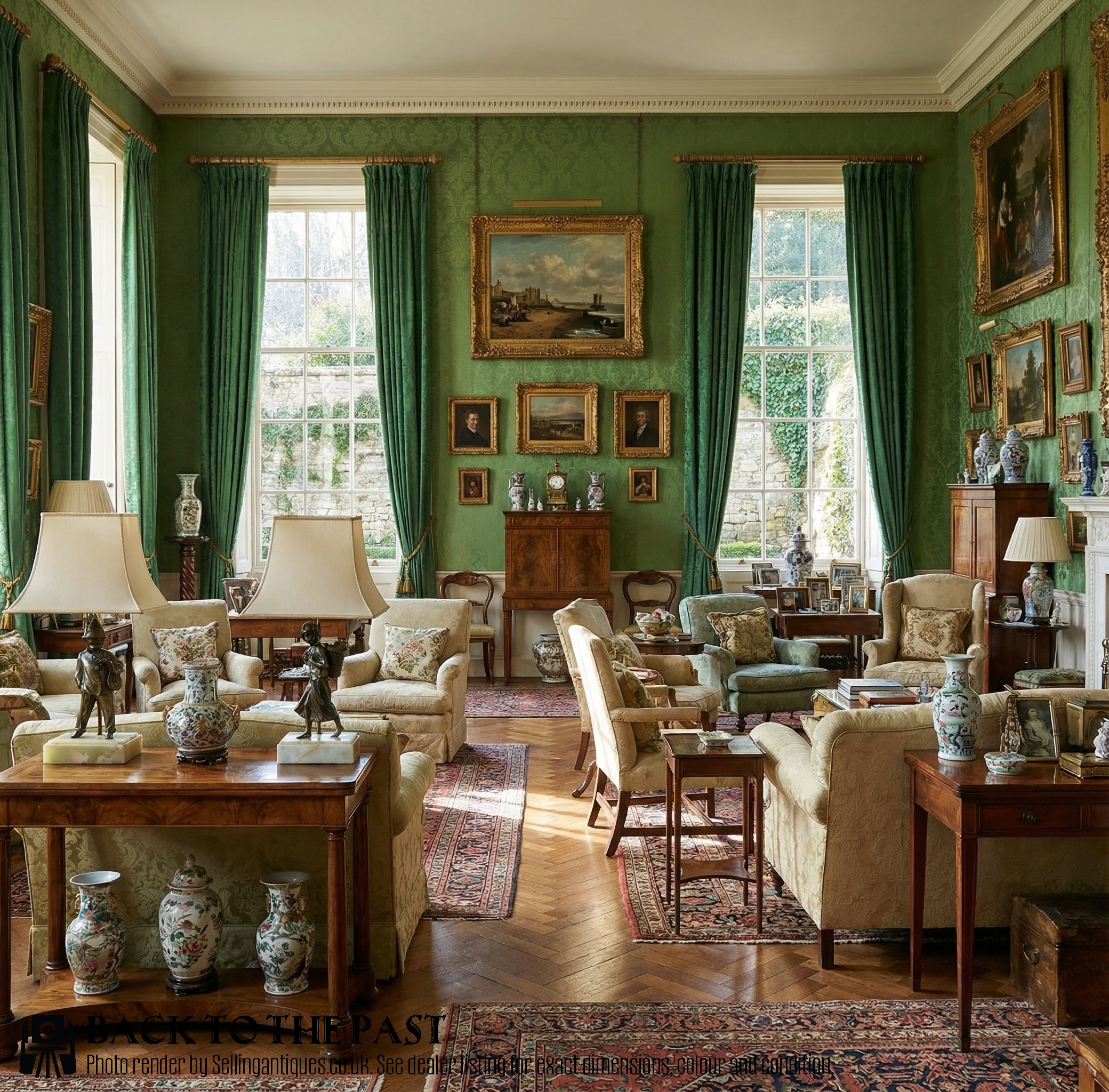
These lamps function effectively on side tables, desks, or mantelpieces where the sculptural qualities remain visible when unlit. Their decorative bases require stable surfaces with adequate space.
Matching the period style of the lamp with surrounding interior furnishings helps integrate the piece into a room scheme.
What is the difference between bronze and spelter?
Bronze is a durable copper alloy that takes fine detail and patination exceptionally well. Spelter is a softer, zinc-based metal utilised for decorative figures as a cost-effective alternative.
Closer inspection of weight, surface crispness, and underside metal colour reveals which material the foundry employed.