


Art Deco Blue Glaze
Art deco blue glaze pieces bring vibrant cobalt and lapis tones into your interior through striking ceramic vases, powder boxes and figurines.
Art Deco Blue Glaze
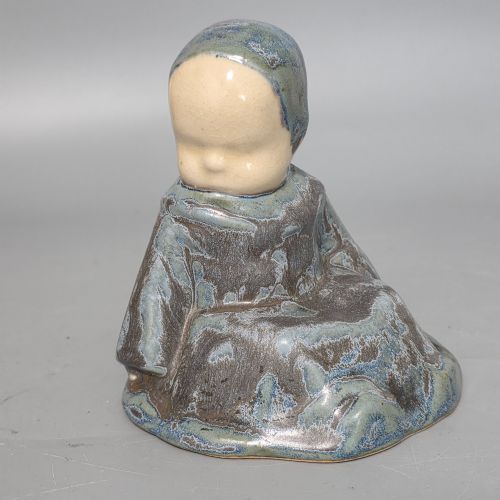
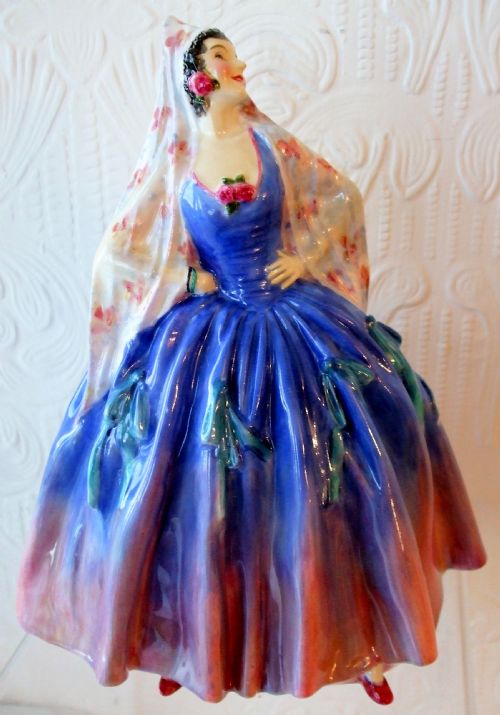
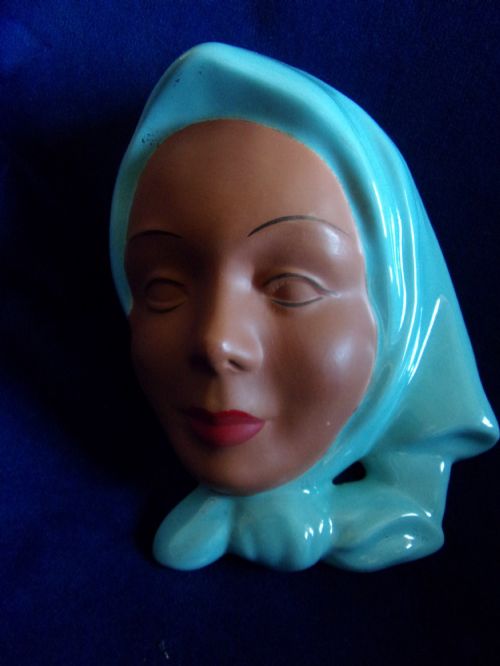
When you search for art deco blue glaze, you encounter a striking array of ceramic vessels, decorative bowls and porcelain figurines from the early twentieth century. The selection ranges from French powder boxes and Austrian wall masques to British vases and earthenware figures.
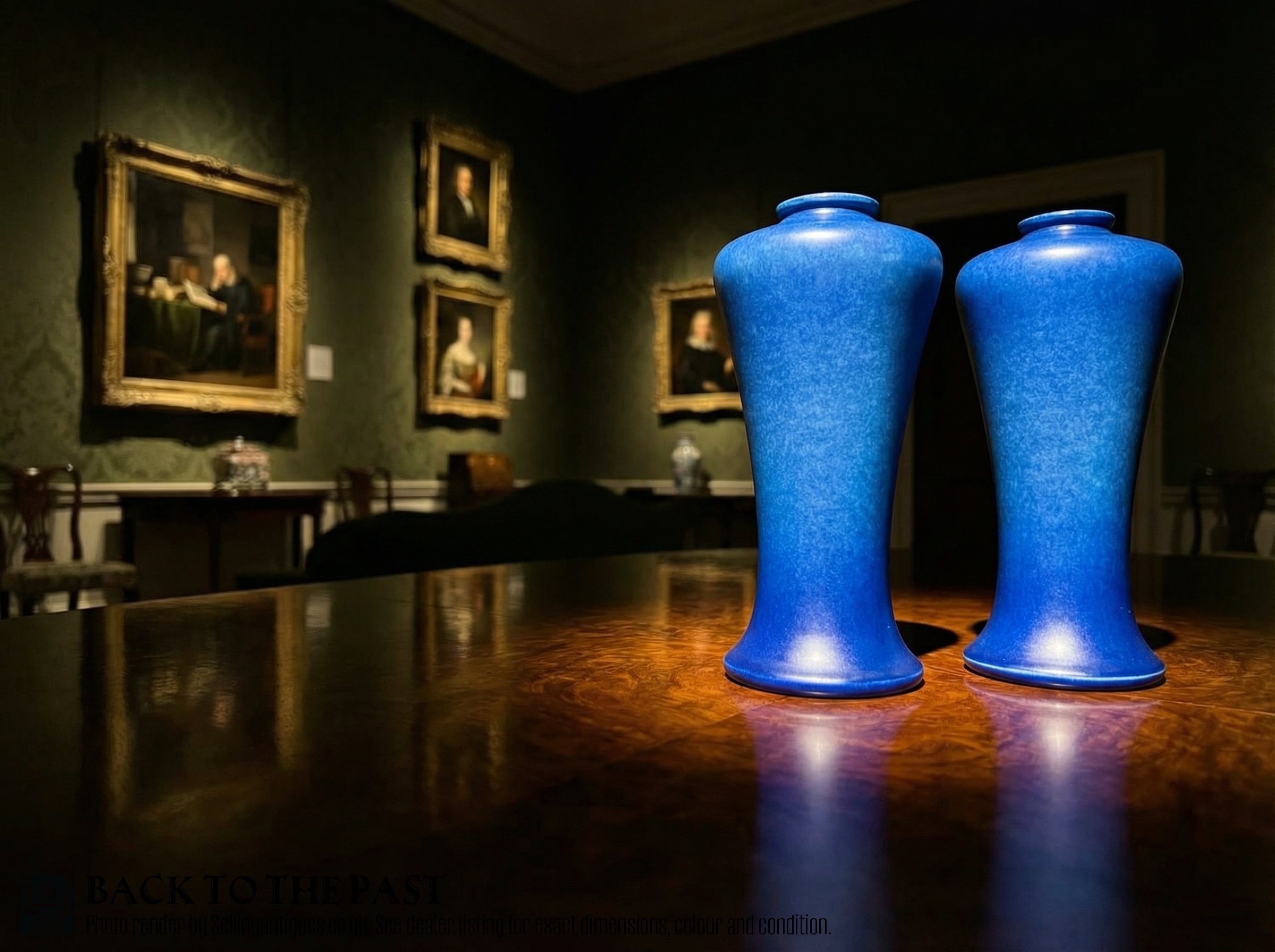
Vases and decorative bowls form the backbone of these pieces, often finished in rich lapis or cobalt tones that define the aesthetic. Powder boxes and porcelain trinket jars complete the grouping, bringing functional elegance to dressing tables of the period.
What varies in quality
Quality rests in the depth and complexity of the glaze application, particularly where crystalline or mottled effects create movement across the surface. Pieces displaying controlled drip finishes or rich cobalt depth stand apart from flat monochrome surfaces.
The crispness of moulding in decorative figurines, powder boxes and wall masques dictates the overall calibre of the item. Finer examples retain sharp facial expressions and clear relief work beneath the glossy finish.
Materials represented across the inventory include porcelain, earthenware, bone china and stoneware.
HB Quimper·Royal Doulton·Gmundner·Carlton Ware·Wedgwood·Pilkingtons Royal Lancastrian·William Moorcroft·Falcon Ware·Limoges·Pierrefonds
The Art Deco Blue Glaze Glossary
- Crystalline glaze
- A ceramic finish containing zinc or other minerals that form visible crystal formations within the glossy surface during the cooling process.
- Wall masque
- A ceramic sculptural face or half-bust designed to be hung directly on a wall as decorative art.
- Lustre ware
- Pottery featuring an iridescent metallic sheen applied over the glaze through a specialised reduction firing technique.
- Powder box
- A decorative lidded container utilised on dressing tables for holding loose cosmetic powder.
- Stoneware
- A robust, vitrified ceramic body fired at high temperatures until impervious to liquid even without glaze.
Art Deco Blue Glaze: Frequently Asked Questions
What is an art deco blue glaze powder box?
These decorative containers feature a ceramic or porcelain bowl with a matching lid, often surmounted by a half-doll or flapper girl figure. They were designed for holding cosmetic powder on dressing tables.
The vibrant blue glaze finishes protect the porous ceramic underneath while providing the distinctive sheen characteristic of the period.
How do I style blue glaze ceramics at home?
Place vases and decorative bowls where natural light can strike the glossy surface to highlight the depth of the cobalt or lapis tones. They work well as standalone focal points on sideboards or mantels.
Pair them with neutral backgrounds to let the intense blue colouration stand out within your room.
How can I tell a 1920s piece from a 1930s piece?
Items from the 1920s often exhibit ornate lustre effects and softer contours influenced by earlier design movements. Pieces from the 1930s tend towards sharper geometric lines and stylised figurative depictions.
Examining the underlying ceramic body and any maker stamps helps confirm the manufacturing era.