


Art Deco Bird Sculpture
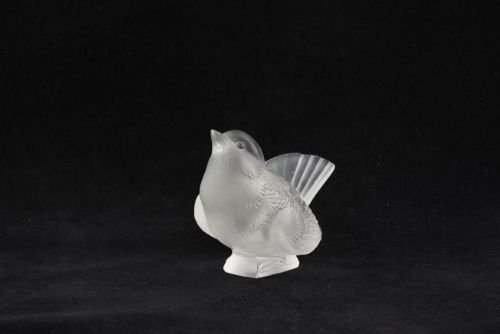
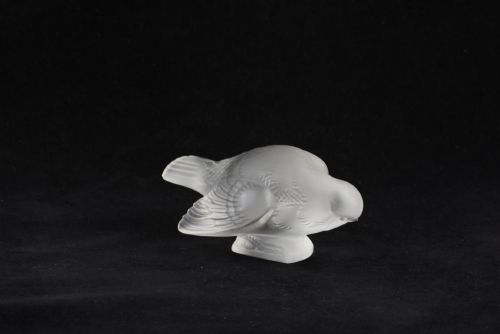
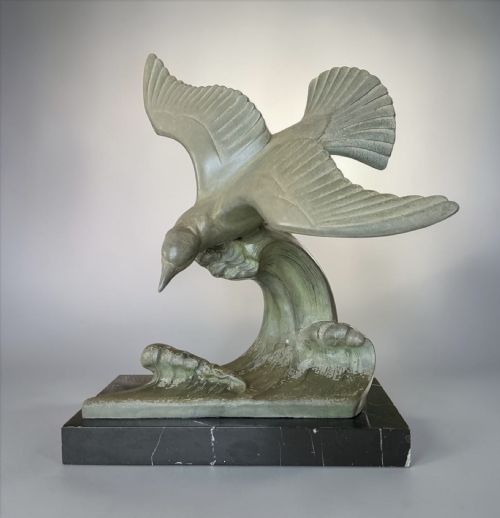
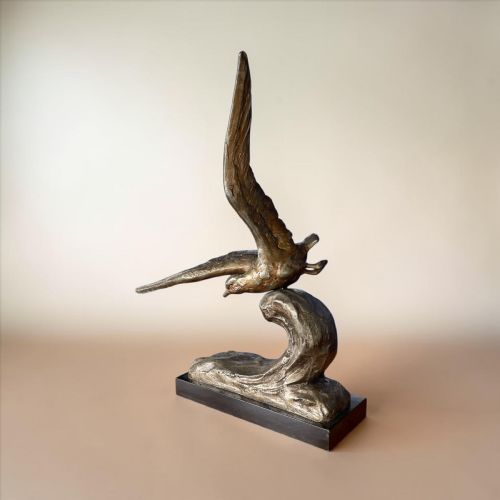
These art deco bird sculptures capture the aerodynamic lines and geometric elegance of the interwar period.
Art Deco Bird Sculpture
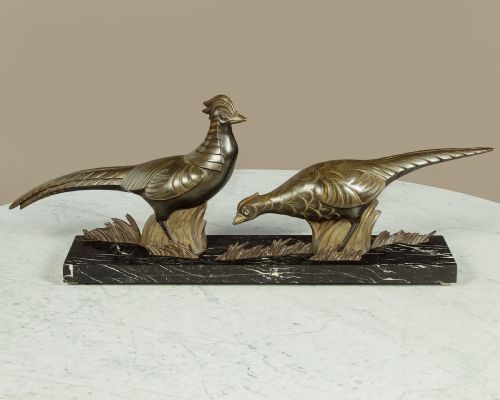
An art deco bird sculpture embodies the streamlined modernity and fauna motifs popular during the early decades of the twentieth century, particularly the nineteen twenties and nineteen thirties. You will frequently encounter study figures of seabirds, pheasants, and songbirds rendered in distinct modernist stances.
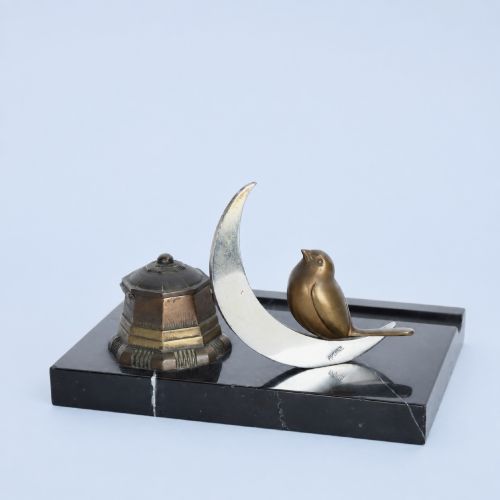
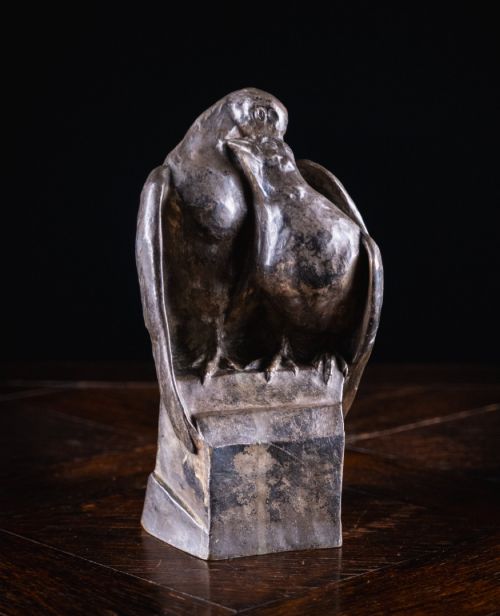
The objects take many functional and decorative forms beyond standalone figures, appearing as bookends, paperweights, desk tidies, mantel clocks, and table lamps. French makers heavily influence this category, producing dynamic representations of gulls, albatrosses, and pigeons set upon stone plinths.
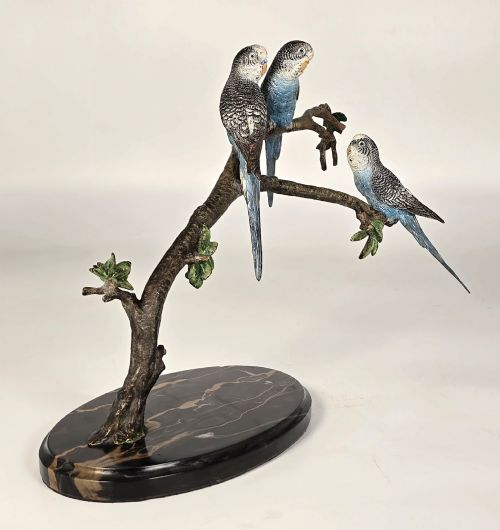
Moulded glass pieces and metal castings dominate the available configurations, often capturing birds in mid-flight or perched upon naturalistic branches. These works combine sleek geometric bases with organic avian forms to suit the prevailing aesthetic of the era.
Materials and construction
Sculptures are cast in bronze, spelter, and brass, frequently utilising cold painted finishes or patination to render realistic plumage. Many metal figures are mounted directly onto contrasting black marble, onyx, or granite bases.
Glassmakers utilise pressed and frosted techniques, sometimes applying blue stain or surface details to small bird paperweights and night lights. Ceramic versions also appear, shaped and glazed by period potteries.
Ducks and pelicans occasionally join the flock as radiator mascots, ensuring art deco birds could travel at speed.
Assessing craftsmanship and finish
Quality rests in the crispness of the casting detail and the subtlety of the surface patination, particularly in cold painted metals where hand-applied colour brings plumage to life. Superior pieces show careful chasing on feathers and clean integration between the bird and its stone plinth.
The weight and clarity of the glass or the density of the marble base signal the standard of manufacture. Signed works by noted modellers demonstrate finer anatomical precision compared to unsigned mass-market alternatives.
Rene Lalique·Paul Joris·P. Marec·Herzig·Rochard·Becquerel·Frederique Cederlund-Ozanne·Zoldan Kovats·Le Manceau
The Art Deco Bird Sculpture Glossary
- Cold painted
- A technique where metal sculptures are painted with non-fired colours, requiring careful preservation to maintain the original pigment. This finish is typical of Austrian and French animalier studies.
- Spelter
- A zinc-based alloy used as a cost-effective substitute for bronze during the period, often given a bronze-coloured patina. It offers similar visual weight while remaining softer and lighter.
- Patina
- The surface sheen and coloration developed through age or chemical treatment on metal sculptures. It highlights the underlying texture of feathers and drapery.
- Socle
- A short plinth or pedestal supporting a sculpture, paperweight, or clock. It elevates the primary subject and provides stability.
- Onyx
- A banded variety of chalcedony or calcite frequently used for lamp bases and clock surrounds. Its natural translucency complements the metallic bird figures.
Art Deco Bird Sculpture: Frequently Asked Questions
How do I clean bronze sculptures?
Dust gently with a soft, dry brush to prevent the accumulation of dirt in intricate feather recesses. Avoid liquid cleaners or polishes that strip the original patination from the metal.
Maintain the surface by applying microcrystalline wax sparingly if the manufacturer finish requires protection against atmospheric moisture.
Where were these pieces made?
The majority originate from workshops and studios in France and Austria, which served as major centres for decorative metalwork and glass production. French designers heavily shaped the aesthetic of avian motifs during the interwar years.
Pieces also emerge from Spanish studios and various regional European foundries active in the early twentieth century.
How do I style them at home?
Display figures on flat surfaces where their silhouettes contrast against neutral walls, such as mantelpieces or wooden sideboards. Pair bookends with heavy volumes to anchor shelving units securely.
Position lamp versions to cast light through mottled opaline or frosted glass shades, highlighting the naturalistic textures of the bird.