



French Art Deco Mascot
These french art deco mascot pieces are striking glass and bronze ornaments designed for motoring or display.
French Art Deco Mascot
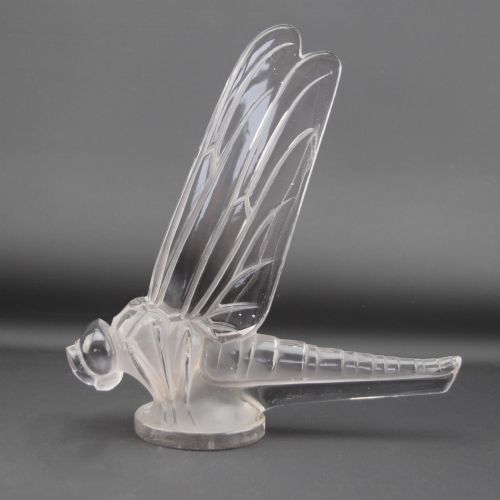
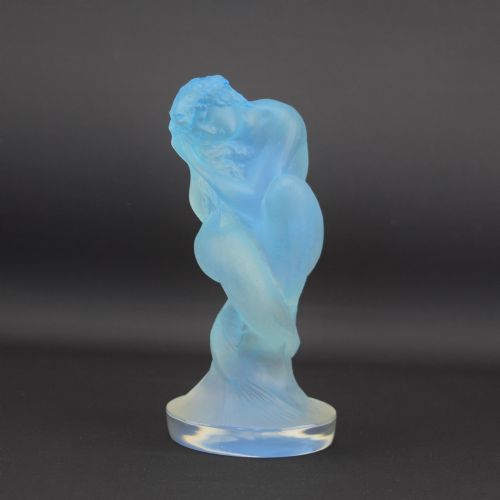
When you search for a french art deco mascot, you find sculptural ornaments originally mounted on motor car radiator caps or displayed independently. The versions most commonly met on this page take the form of moulded, frosted, opalescent or clear glass figures, alongside patinated spelter and bronze castings.
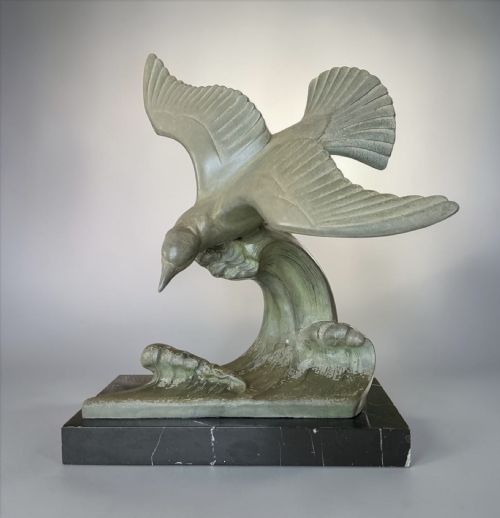
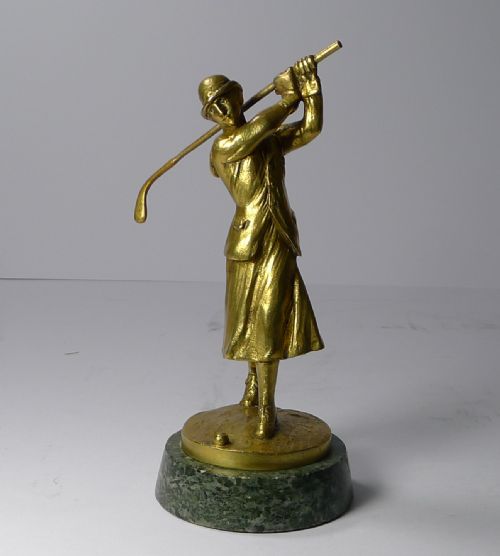
The subjects span animal and human forms, including dragonflies, birds, fish, elephants, and figurative studies like a lady golfer or water boy. Many double as desk accessories or paperweights, reflecting their versatile utility after the motoring era passed.
How they were made
Makers utilised pressed and moulded glass techniques, often adding frosted or opalescent treatments to capture light across the contours. Clear glass and crystal variants required precise cooling to maintain clarity within complex figural moulds.
Metal alternatives involved bronze, silver-plated bronze, and patinated spelter, frequently mounted on bases of black marble or bakelite. These metal casts relied on detailed chiselling and patination to define feathers, wings, and drapery.
Object types documented in the archive and current listings cover car mascots, paperweights, sculptures, and decorative objects depicting fauna and human figures.
What varies in quality
In metal castings, quality shows in the fineness of the chasing and the preservation of the original patinated finish on the bronze or spelter. The integration with original mounting bases, such as black marble or bakelite, also dictates the desirability of the object.
Rene Lalique·Jose Dunach·Etling·Sabino
The French Art Deco Mascot Glossary
- Opalescent Glass
- Glass containing minerals that create a milky, bluish lustre when lit from certain angles. This effect shifts colours under changing light.
- Spelter
- An alloy of zinc and lead used as a cheaper alternative to bronze. It accepts patination well to simulate heavier metals.
- Car Mascot
- A sculptural ornament fitted to the radiator cap of a motor vehicle. These figures identified specific makes or expressed personal taste.
- Patination
- The surface coloration or sheen developed naturally over time or applied chemically to metal. It accentuates the sculptural details of the casting.
- Bakelite
- An early synthetic plastic used for mounting bases and plinths. It provides a dark, polished contrast to metal and glass figures.
French Art Deco Mascot: Frequently Asked Questions
What is a french art deco mascot?
A french art deco mascot is a figural glass or metal ornament created during the interwar period for automobiles. They were mounted on radiator caps to personalise vehicles before transitioning to cabinet displays.
Today, these objects function as cabinet sculptures, paperweights, and decorative desk items. Collectors prize them for their distinct modernist styling and miniature sculptural quality.
How were glass mascots mounted?
Glass mascots were typically secured to specific metal bases or radiator adapters using specialised fittings. Many required collar mounts designed to hold the fragile material firmly in place.
Because of this mounting method, surviving glass figures often show signs of wear or adaptation around the base where they met the hardware.
What materials are most common?
The materials divide primarily into moulded glass and cast metal. Glass variants appear in frosted, opalescent, clear, and pressed forms.
Metal examples utilise bronze, silver plate, and patinated spelter. These are frequently paired with black marble or bakelite plinths.
How do I identify a Lalique piece?
Lalique pieces usually rely on moulded or pressed glass with specific opalescent or frosted finishes. They depict natural subjects like birds, insects, and aquatic animals.
Authentic examples often carry signature markings or match documented catalogue designs from the interwar production period.
Were these used indoors?
While originally designed for motor car exteriors, many were repurposed immediately for interior display. Their weight and flat bases made them suitable for use as desk paperweights.
Consequently, numerous surviving examples show minimal exposure to actual motoring conditions.