
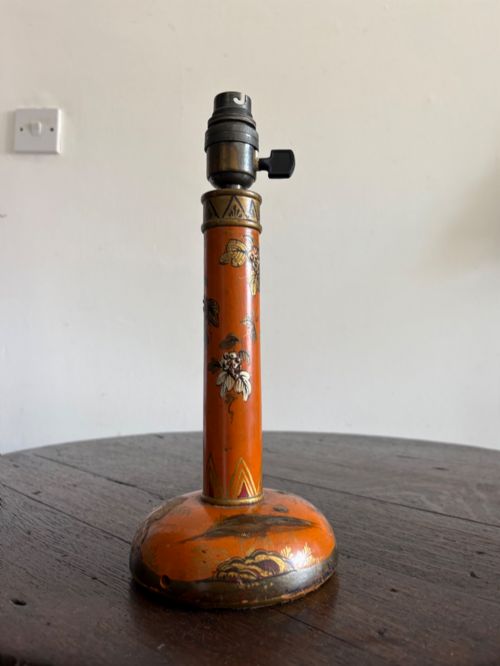


Art Deco Accent Light
An art deco accent light brings unmistakable period geometry and soft illumination into a room, offering both sculptural presence and warm ambient glow.
Art Deco Accent Light
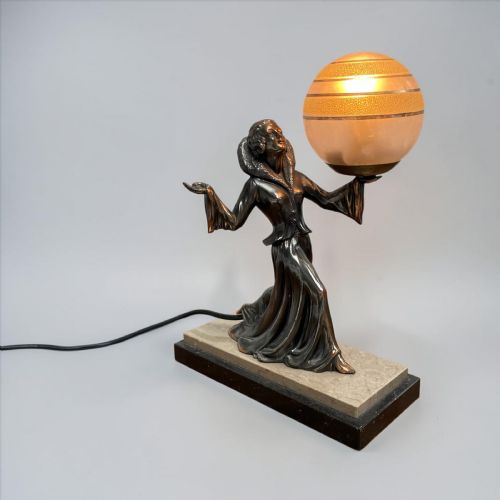
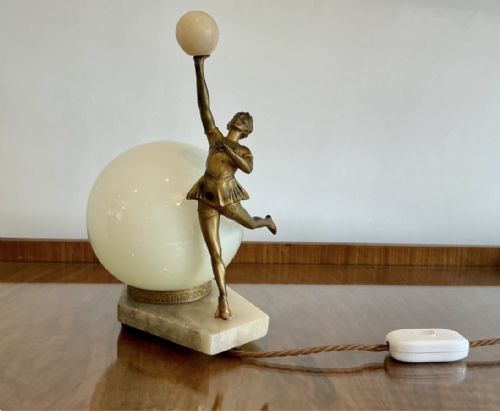
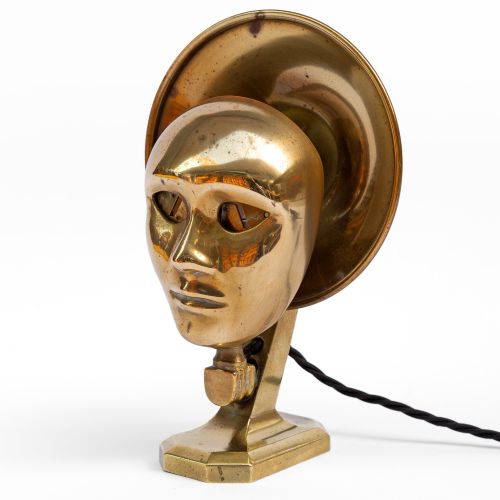
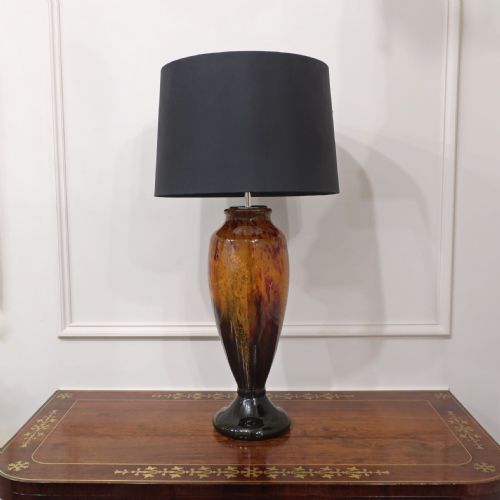
When searching for an art deco accent light, collectors encounter desk lamps, mood lights, and figurative table pieces created primarily during the interwar decades. These fixtures utilise sculptural forms, ranging from geometric metalwork to stylised human and animal figures.
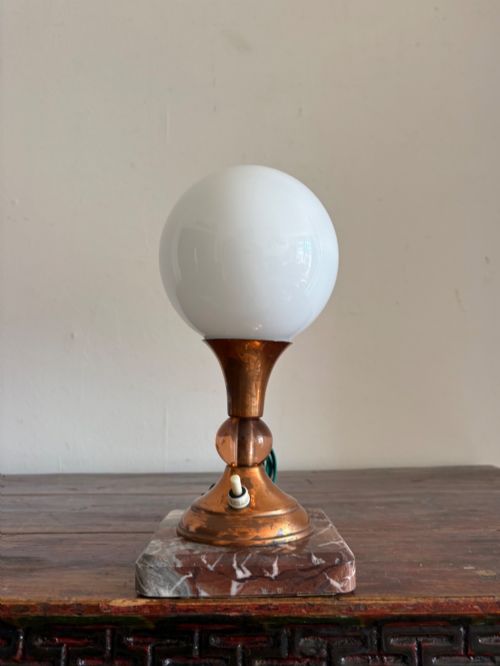
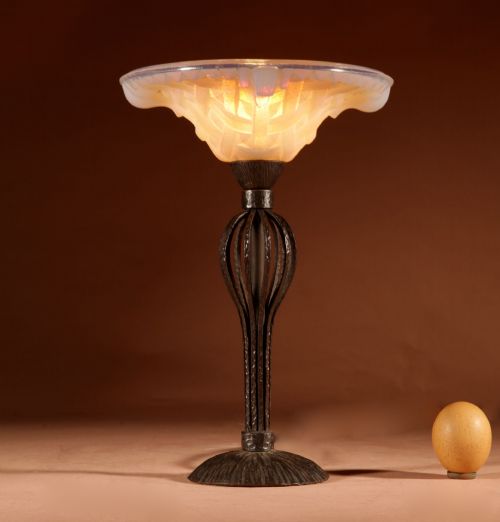
The versions most frequently met on this page are table lamps constructed from combinations of glass, chrome, brass, and marble. French workshops heavily influence the selection, often pairing wrought iron with opalescent or frosted glass shades.
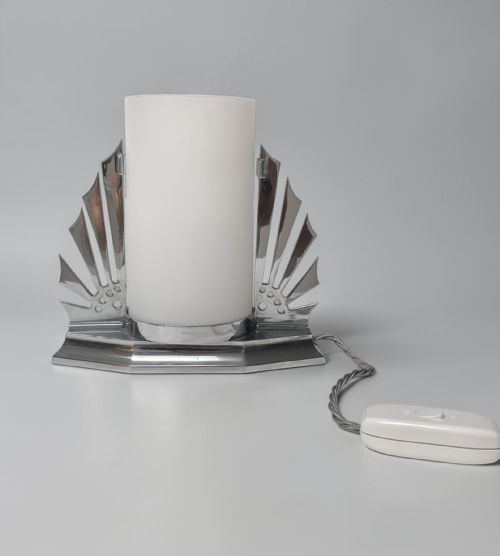
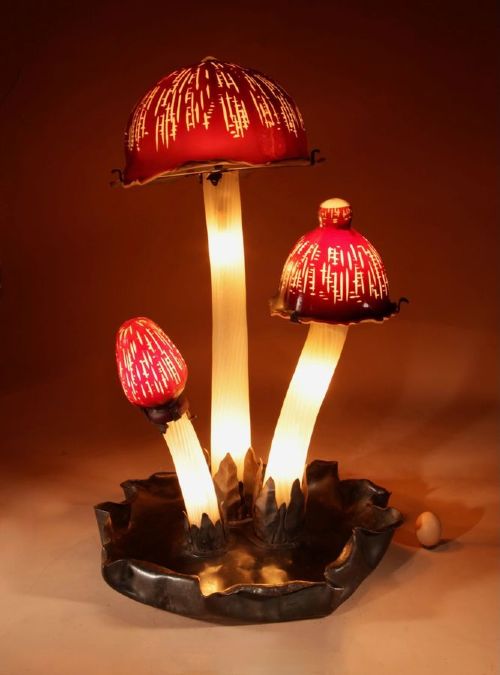
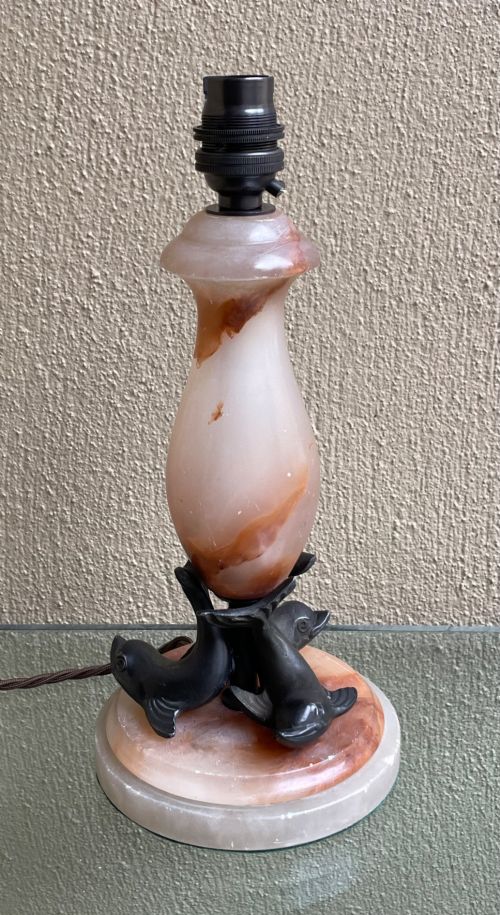
Beyond standard lighting, the selection includes related forms such as novelty figure lamps and architectural designs inspired by cinema. Makers applied these distinctive motifs to create compact sources of functional illumination that double as decorative objects.
Materials and technique
Makers combined heavy metal bases of brass, chrome, spelter, or wrought iron with moulded, frosted, or opalescent glass shades. These durable materials provided the structural stability required for intricate figurative stems and geometric frames.
Glass production relied on specialised moulding, acid-etching, and mottling techniques to achieve diffused light effects. Metalwork involved casting, patination, and nickel plating to create the characteristic industrial and modernist finishes.
Art Deco Accent Light Retail Price Guide 2026
Typical asking prices for art deco accent light among the pieces listed under this phrase on Sellingantiques today, from the lower quarter to the upper quarter. They describe what is for sale here now, not the wider market.
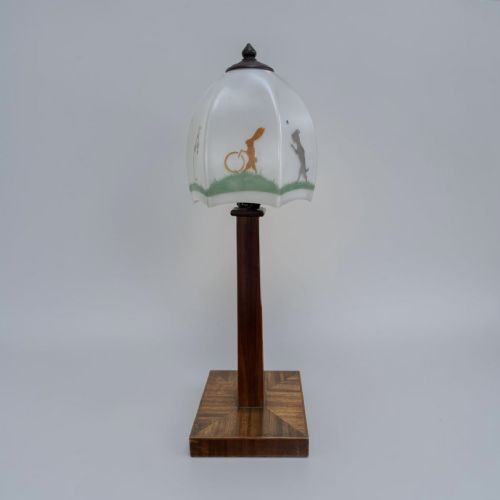
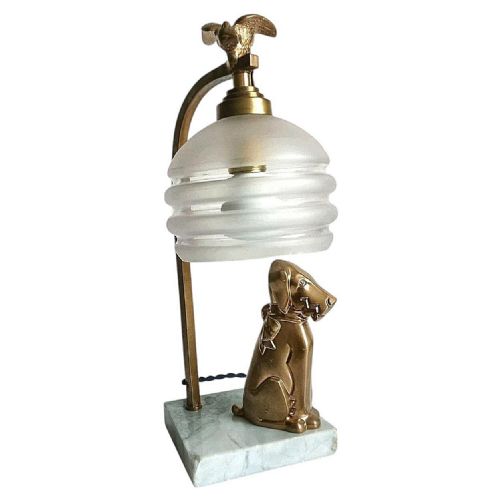
A French novelty dog and parrot lamp from the interwar years proves that illumination could also double as a menagerie.
What varies in quality
The distinction between standard production and superior craftsmanship rests in the weight of the base materials and the pedigree of the glasshouse. Signed shades from established makers command greater attention due to their superior moulding depth and colour saturation.
Detailing in figurative components, such as the casting definition of spelter or bronze nude figures, separates mass-market items from finer studio output. Original patination and intact, matching components preserve the integrity of the object.
Heals·Charles Schneider·Lacroix·Lalique·Daum·Muller Bros·Degue·Baccarat
The Art Deco Accent Light Glossary
- Spelter
- A zinc alloy commonly used as a cost-effective substitute for bronze in decorative figures and lamp bases. It takes patination well to simulate heavier metals.
- Opalescent glass
- Glass containing ingredients that cause it to diffuse light with a milky, pearlescent appearance. It scatters illumination softly across a room.
- Mottled glass
- Glass featuring a multi-coloured, patchy appearance created during the melting process. It produces a mottled glow when lit from within.
- Wrought iron
- Iron beaten and shaped by hand into decorative scrolls and structural supports. It provides a dark, robust contrast to translucent glass shades.
Art Deco Accent Light: Frequently Asked Questions
How do I wire an antique lamp?
Most vintage pieces require rewiring to meet modern safety standards before regular daily use. A qualified electrician can easily update the internal cord while retaining the original sockets and switches.
Preserving the original brass or chrome fittings maintains the historical value of the fixture. Care should be taken to route modern wiring discreetly through the existing channels.
What bulbs should I use?
Low-wattage LED bulbs that mimic traditional filament output work best for protecting fragile antique glass shades from excess heat. Warm white tones replicate the soft glow originally intended by the designers.
Avoid high-temperature incandescent bulbs that can discolour vintage fabric cords or stress older resin and celluloid components. Proper bulb selection ensures the safety of delicate opalescent glass.
Are these lamps signed?
Many glass shades bear acid-etched signatures or moulded signatures from the original makers. Metal bases less frequently carry foundry marks, relying instead on distinct stylistic attribution.
Checking the rim of the glass shade usually reveals the signature of the glasshouse. Absence of a signature does not preclude authenticity given the age and wear of the pieces.