

Art Deco Accent Lamp
An art deco accent lamp brings geometric symmetry and ambient light into a room, offering both period character and functional illumination.
Art Deco Accent Lamp
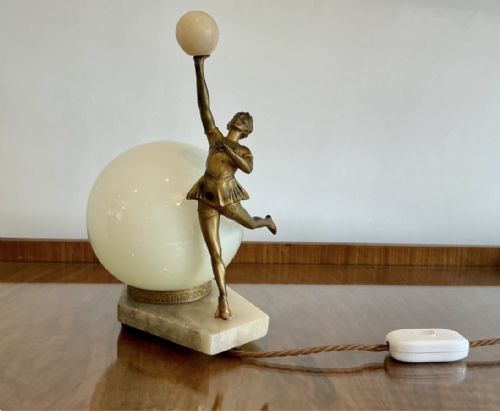
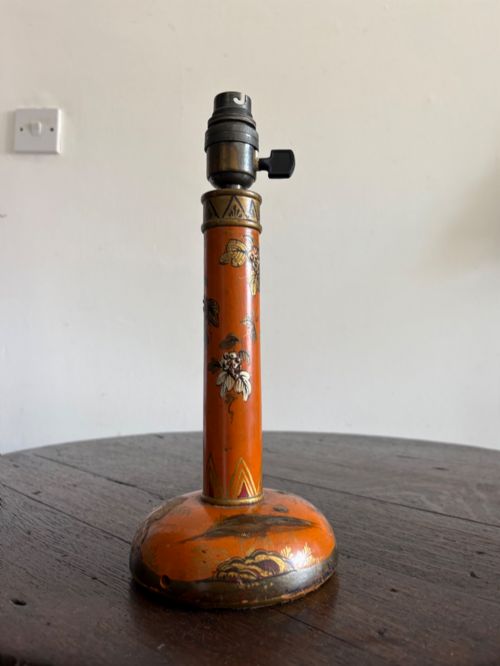
When you search for an art deco accent lamp, you encounter pieces designed to provide targeted illumination while embodying the streamlined aesthetic of the interwar period. The selections here typically manifest as table lamps, mood lamps, and novelty pieces originating predominantly from the 1920s and 1930s.
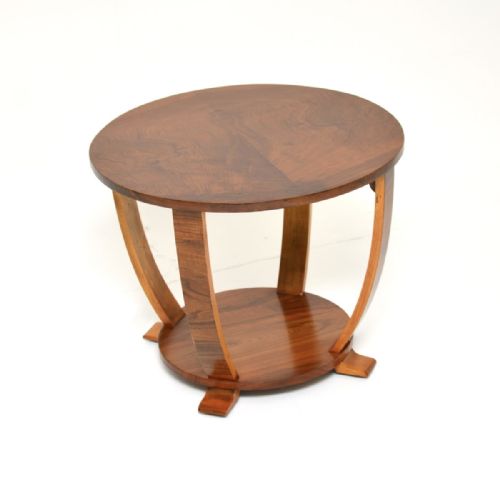
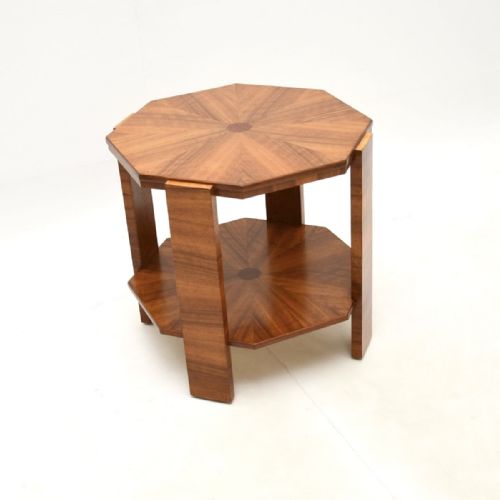
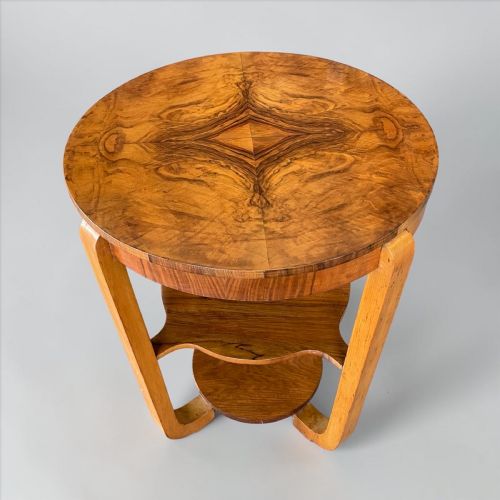
Beyond standard lighting, the inventory frequently incorporates dual-purpose items where a lamp sits upon or integrates with an occasional side table or coffee table. These pieces bridge the gap between furniture and lighting, reflecting the compact and multifunctional design ethos of the era.
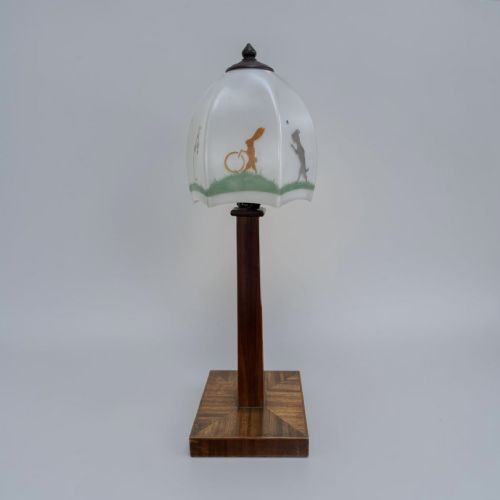
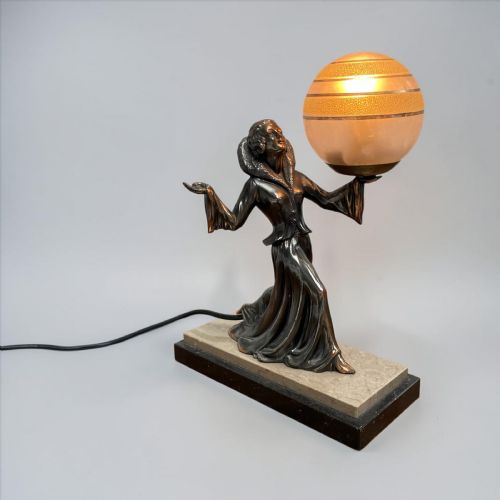
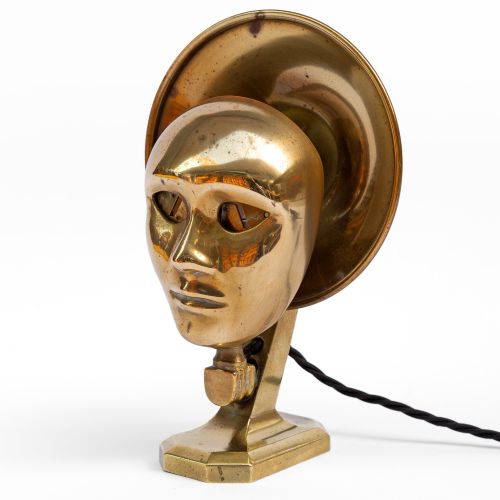
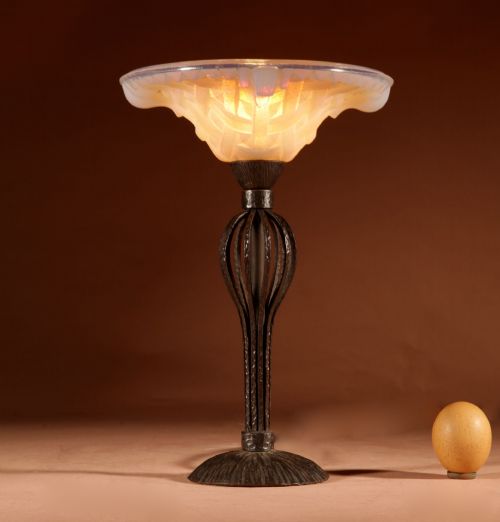
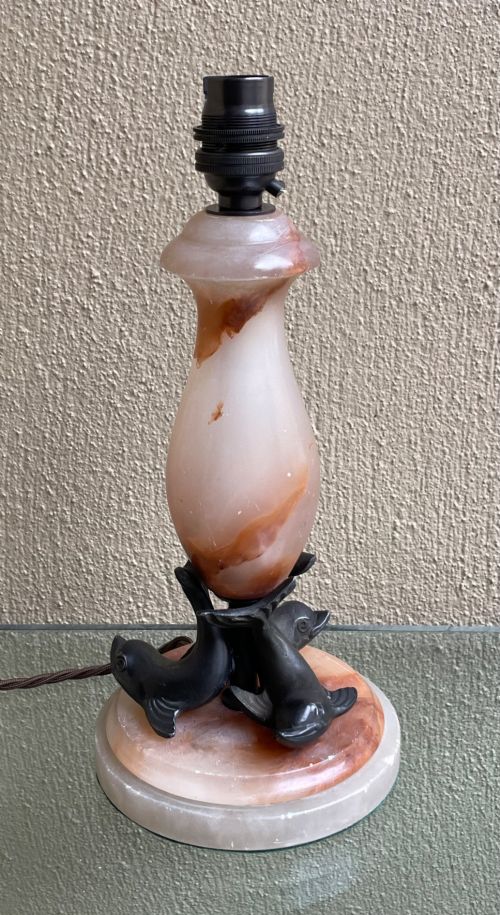
French workshops and English makers dominate the origins, often employing figural motifs such as ladies, animals, or dolphins alongside abstract geometric forms. The pieces range from simple chromed stems to elaborate glass and iron creations intended to draw the eye in smaller spaces.
How they were made
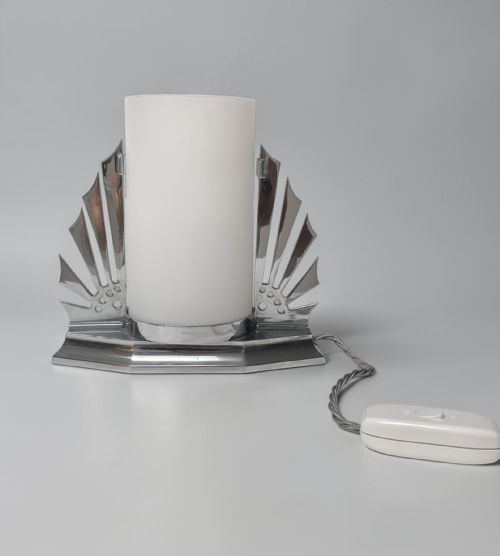
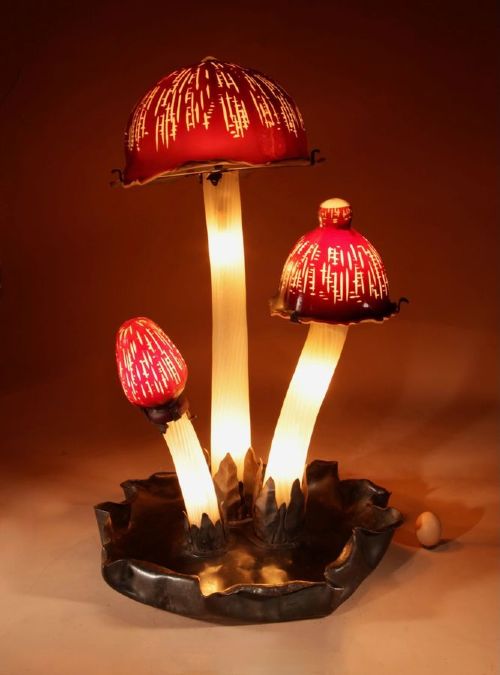
The construction relies heavily on a combination of metalwork and specialised glass production, utilising chrome, brass, and wrought iron for the bases and structures. Shades and bodies frequently incorporate frosted glass, opalescent glass, or cut crystal to diffuse the light.
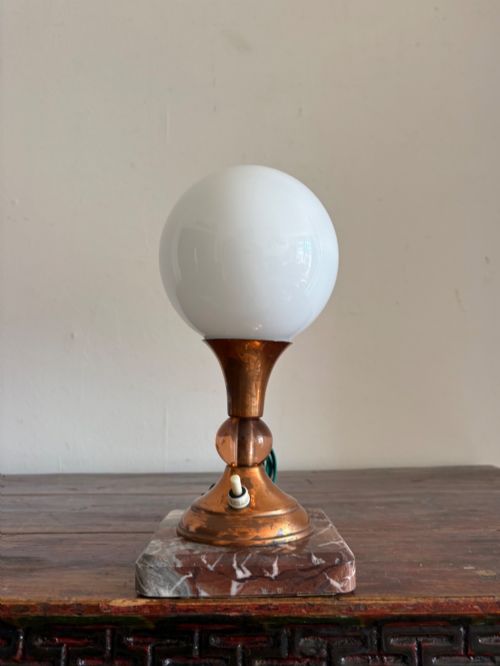
Cabinetry techniques appear in pieces that combine lighting elements with wood furniture, utilising walnut, ebonised timber, and maple alongside marble and alabaster bases. This mix of heavy stone, polished metals, and delicate moulded glass creates the tactile contrast characteristic of the period.
Art Deco Accent Lamp Retail Price Guide 2026
Typical asking prices for art deco accent lamp among the pieces listed under this phrase on Sellingantiques today, from the lower quarter to the upper quarter. They describe what is for sale here now, not the wider market.
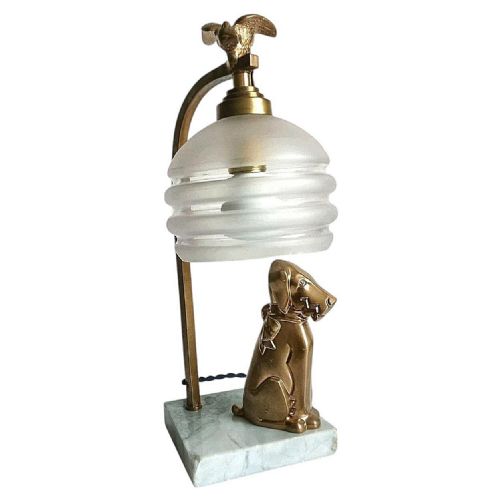
A French novelty dog and parrot lamp brings unexpected animal charisma to the geometric strictness of the period.
What varies in quality
The standard of an art deco accent lamp rests largely on the pedigree of its components, particularly signed glass shades from established glasshouses compared to unmarked commercial alternatives. Cast metal figural elements also show variance, where finely detailed spelter or bronze-plated figures stand apart from simpler mass-produced castings.
Construction integrity distinguishes the better examples, such as solid marble or heavy chrome bases that provide stability to taller glass shades. Wood and metal combination pieces show quality through the precision of their jointing and the richness of veneers like walnut and karelian birch.
Charles Schneider·Lalique·Daum·Muller Bros·Degue
The Art Deco Accent Lamp Glossary
- Spelter
- A zinc alloy frequently used as a substitute for bronze in decorative figures and lamp bases. It takes patination well but requires gentle handling due to its softer nature.
- Opaline glass
- A type of semi-opaque glass that diffuses light softly, often seen in pastel shades across period lamp shades. It became popular for its ability to create a smooth, glowing ambient light.
- Wrought iron
- Iron beaten or bent into shape by hand, commonly utilised in French lighting bases. This material allows for robust yet sinuous structural frameworks.
- Occasional table
- A small, movable table designed for specific, intermittent use rather than central living room placement. These frequently accompany lamp designs in the inventory.
- Ebonised
- Wood treated with a finish to imitate ebony. This dark surface treatment provides a sharp contrast against metallic chrome or brass elements.
Art Deco Accent Lamp: Frequently Asked Questions
How do I date an art deco lamp?
Dating relies heavily on stylistic markers, manufacturing techniques, and materials characteristic of the 1920s and 1930s. Signed glass shades or specific foundry marks often narrow down the production period.
Construction methods, such as the use of early plastics, specific metal platings, and wiring styles, also help establish the age of the piece.
Where were these lamps placed originally?
These lamps typically served as mood lighting or accent pieces on side tables, mantelpieces, and desks. Their modest scale made them suitable for smaller domestic spaces and reading corners.
Many designs were integrated directly into occasional tables to save surface space in urban apartments.
Are the glass shades usually original?
Many pieces retain their original moulded, frosted, or opalescent glass shades, particularly those associated with named glassmakers. Replacement shades do occur due to the fragile nature of vintage glass.
Checking the fit and glass chemistry helps determine if shade and base started life together.