





Armenian Wool Rug
An armenian wool rug brings rich tribal imagery and resilient craftsmanship into a room, offering enduring texture and bold geometric layouts.
Armenian Wool Rug
When searching for an armenian wool rug, collectors examine pieces originating from the Caucasus region during the late nineteenth and early twentieth centuries. These floor coverings emerge from distinct weaving traditions, spanning eras from eighteen seventy up to nineteen thirty.
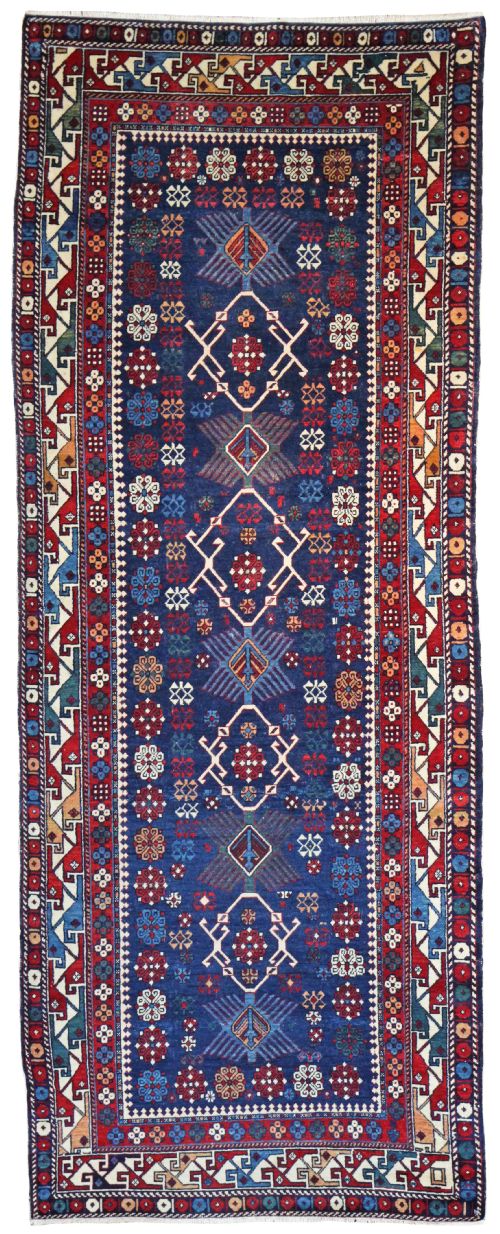
The most common formats on this page include area rugs and runner rugs carrying specific regional designations. Buyers encounter descriptive classifications such as Karabagh, Erivan, Lori Pambak, Kazak, and Perepedil within the current listings.
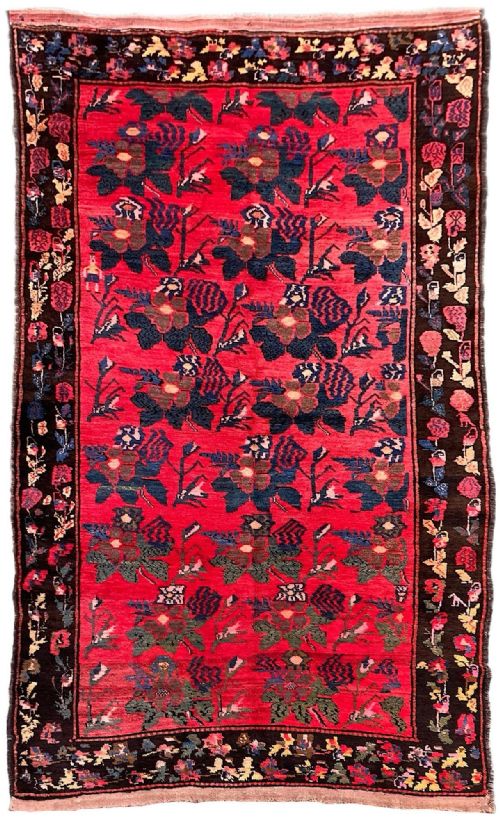
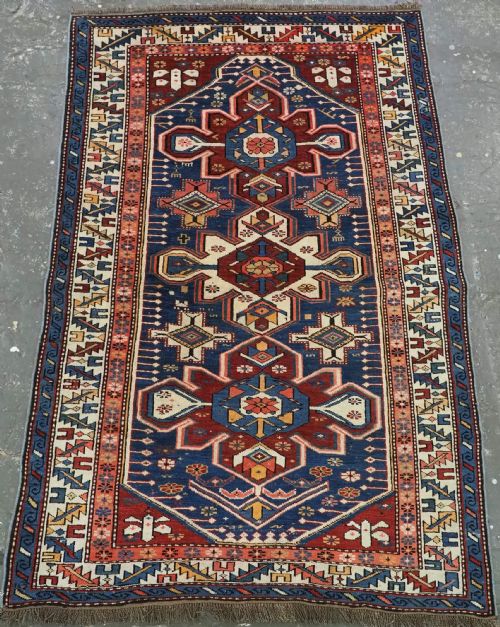
Designs on these floor coverings range from classic triple lobbed medallions and star motifs to unusual kilim structures and pictorial scenes involving people and animals. The underlying structures connect directly to Caucasian and tribal aesthetics documented across the decades.
Materials and construction
Every piece relies entirely on wool, implemented through traditional hand-knotted wool techniques. Artisans tie dense knots by hand to build a durable pile capable of withstanding generations of daily floor traffic.
Weavers combine this resilient wool with regional dyeing methods to establish strong grounds in yellow and other traditional tones. The structural integrity depends on the precision of the hand-knotted construction executed by skilled hands.
Armenian Wool Rug Retail Price Guide 2026
Typical asking prices for armenian wool rug among the pieces listed under this phrase on Sellingantiques today, from the lower quarter to the upper quarter. They describe what is for sale here now, not the wider market.
Listings span production dates from eighteen seventy through nineteen thirty, utilising hand-knotted wool across Caucasian and tribal styles.
Assessing quality in weaving
The upper tier of these textiles displays exceptional clarity in complex patterns such as key hole designs or large central medallions. Knot density and the crispness of linear geometry dictate how successfully the weaver rendered the intended motif.
Condition and originality dictate distinction across the range, where preserved pile height and intact edges maintain visual impact. Variations in colour saturation, particularly on scarce yellow grounds, influence the overall presence of each carpet.
The Armenian Wool Rug Glossary
- Karabagh
- A regional classification for rugs originating from the Karabagh area, known for varied medallion layouts and pictorial elements. These pieces often incorporate unique wildlife or floral interpretations.
- Erivan
- A specific stylistic designation linked to rugs produced in and around Erivan, Armenia. Such textiles frequently feature distinct star or multi-lobed medallion configurations.
- Kazak
- A term denoting rugs from specific Caucasian weaving groups celebrated for bold primary colours and large geometric polygons. They represent some of the most robust tribal styles available.
- Kilim
- A flat-woven carpet style produced without a pile, created by tightly interweaving warp and weft threads. The bee kilim variation demonstrates this specific construction method.
- Hand-Knotted
- A laborious manufacturing method where individual strands of wool are tied around warp threads by hand. This technique ensures maximum durability and structural longevity.
Armenian Wool Rug: Frequently Asked Questions
How do I care for my rug?
Vacuum gently without using a rotating brush roll to protect the hand-knotted wool pile from unnecessary friction.
Keep the textile out of direct sunlight to prevent natural dyes from fading prematurely over the years.
Where were these rugs made?
These textiles originate from the Caucasus region, incorporating traditional designs from historic centres like Karabagh and Erivan.
Local weaving communities passed down specific patterns across generations, anchoring each piece in a distinct cultural lineage.
Can I use runners in hallways?
Runner rugs suit narrow spaces like corridors and entryways, providing both floor protection and striking visual interest.
Ensure a suitable underlay is placed beneath the wool structure to prevent slipping and reduce wear.
What motifs appear on them?
Common decorative elements include triple lobbed medallions, star shapes, key hole patterns, and occasional depictions of people and animals.
These geometric and pictorial symbols reflect the traditional iconography of Caucasian and tribal weavers.