

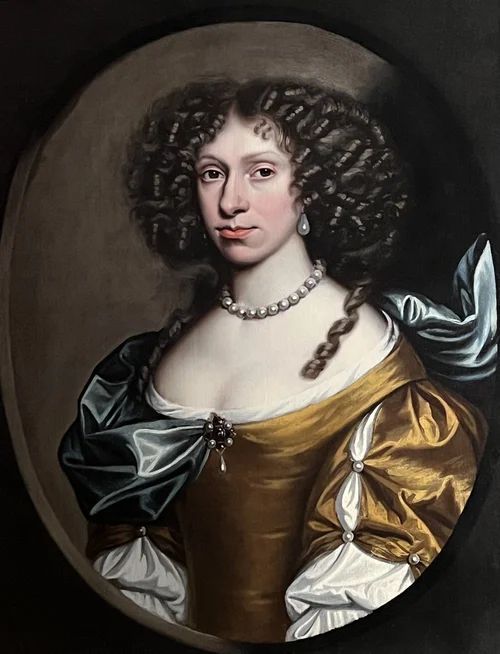


Aristocratic Woman Oil Painting
An aristocratic woman oil painting brings centuries of portraiture into a room, offering striking likenesses rendered in rich oils.
Aristocratic Woman Oil Painting
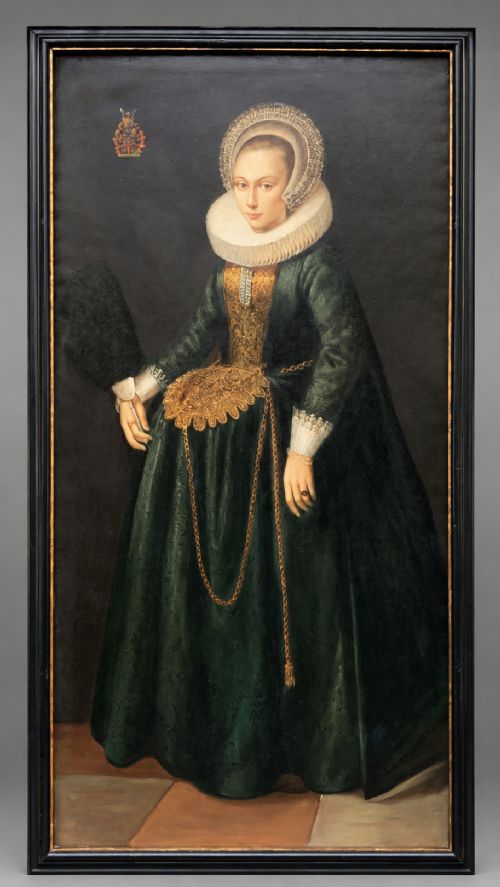
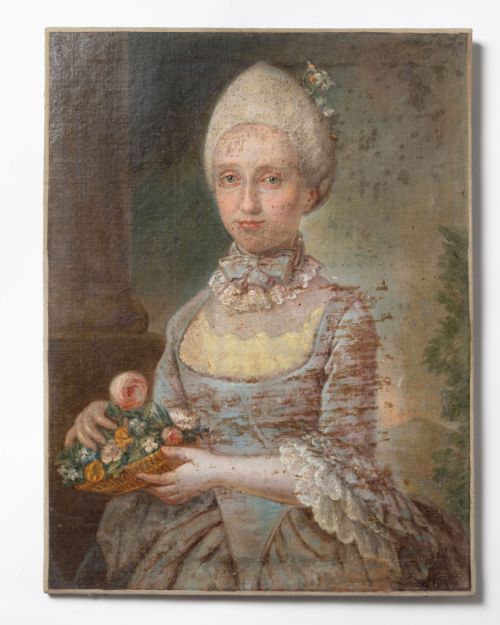
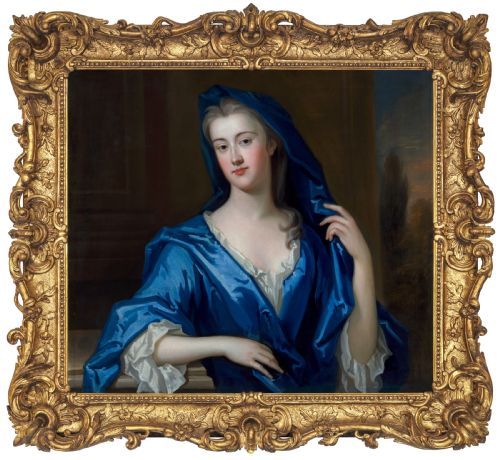
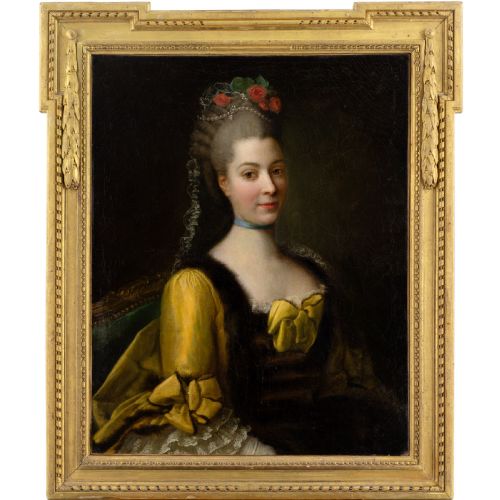
An aristocratic woman oil painting captures subjects from the seventeenth century through to the twentieth century on canvas. These works range from early Georgian and eighteenth-century French and Rococo pieces to Dutch Golden Age examples and Edwardian portraits.
The sitters often include named historical figures such as Elizabeth Rooper, Ellen Napier, Lady Shaw, Mary Dodding, Grace Loftus, and Katharine, wife of the sixth Earl of Westmorland. They appear in specific attire like blue wraps, yellow dresses, or red gowns adorned with pearls.
Buyers will encounter various formats including oil paintings, fine art, portrait paintings, and Tudor-style works created after earlier masters. These pieces demonstrate the changing ideals of high-status portraiture across multiple centuries.
How they were made
These works are executed in oil paint on canvas supports, utilising the rich blending capabilities and depth of tone inherent to the medium. The application of oil allowed artists to build luminous layers for skin tones and rich textures for fabrics.
Many of these historical canvases are housed within their original or period wooden surrounds, frequently featuring giltwood or gilt wood finishes. These frames provide structural support and decorative framing tailored to the aesthetic of the period.
Aristocratic Woman Oil Painting Retail Price Guide 2026
Typical asking prices for aristocratic woman oil painting among the pieces listed under this phrase on Sellingantiques today, from the lower quarter to the upper quarter. They describe what is for sale here now, not the wider market.
The listings span from the seventeenth century through to the twentieth century, featuring oil on canvas and giltwood materials.
What varies in quality
The distinction between works lies in the execution of the sitter's expression, the rendering of fabric folds, and the handling of light by the artist. Named hands and documented circles of established portraitists demonstrate superior draughtsmanship compared to anonymous school pieces.
The preservation of the canvas and the original integrity of the paint surface dictate the visual impact of the portrait. Surviving giltwood frames that match the age of the canvas contribute to the overall integrity of the piece.
Cornelis van der Voort·Charles Jervas·David Scougall·Robert Edward Morrison·Pieter Nason·John Michael Wright·Joseph Highmore·Sir Godfrey Kneller
The Aristocratic Woman Oil Painting Glossary
- Oil on canvas
- A painting medium where pigments are suspended in a drying oil applied to a stretched woven fabric support. This combination allows for subtle tonal gradations and long-term durability.
- Giltwood
- Wood that has been coated with a thin layer of gold leaf or gilt powder. It is commonly found on decorative frames accompanying historical portraits.
- Dutch Golden Age
- A period in Dutch history spanning the seventeenth century noted for exceptional achievements in painting. Works from this tradition emphasise realistic detail and dramatic lighting.
- Rococo
- An eighteenth-century style characterised by lightness, elegance, and ornate decorative curves. In portraiture, this appears through softer palettes and fluid drapery.
- Circle of
- A term used when a work is closely associated with a master's style and produced in their immediate milieu. It indicates a contemporary hand working under direct influence.
Aristocratic Woman Oil Painting: Frequently Asked Questions
How do I identify the period of a portrait?
Examine the sitter's clothing, hairstyle, and the construction of the canvas stretcher behind the painting. Fashion changes offer reliable clues to the decade in which the portrait was painted.
Compare the handling of paint and the style of the frame with documented examples from known periods such as the seventeenth or eighteenth century.
What does circle of mean in a listing?
This attribution indicates the artist worked in the direct proximity or studio tradition of a named master. It denotes high-level contemporary skill rather than a direct autograph work.
Such pieces share the technical characteristics and stylistic nuances of the principal painter.
Are these frames original to the paintings?
Some portraits retain their period giltwood frames, while others have been paired with suitable antique surrounds over time. The materials and joinery of the frame often provide dating evidence.
Matching frames enhance the historical context of the artwork.