



Historical Costume Oil Painting
A historical costume oil painting captures past centuries through detailed attire, offering tangible links to bygone eras for the discerning collector.
Historical Costume Oil Painting
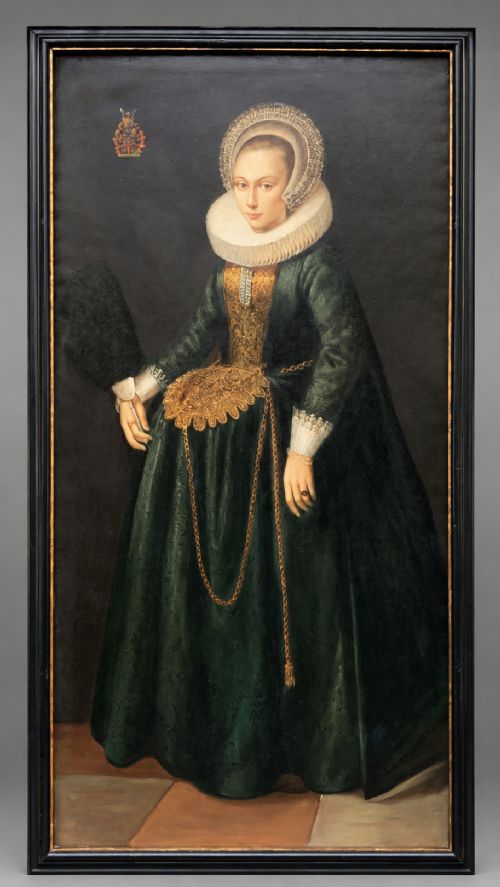
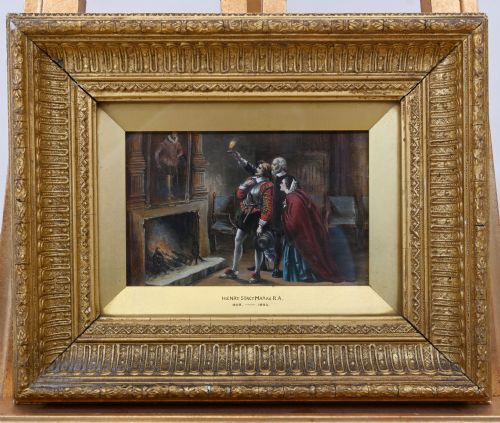
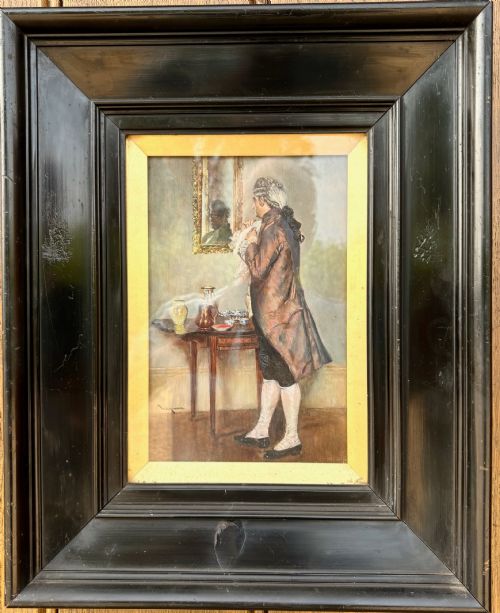
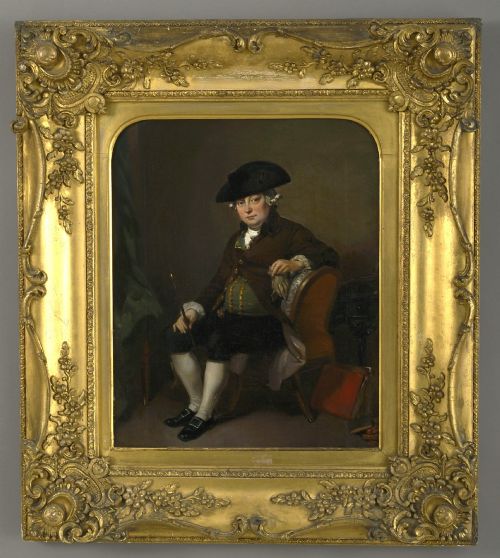
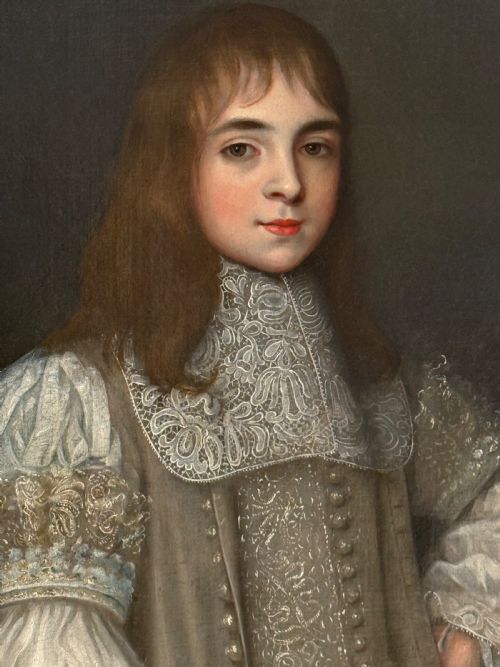
A historical costume oil painting depicts subjects in period attire, ranging from seventeenth-century gentleman portraits to twentieth-century genre scenes. These works capture theatrical, literary or historical characters dressed in elaborate historical costume.
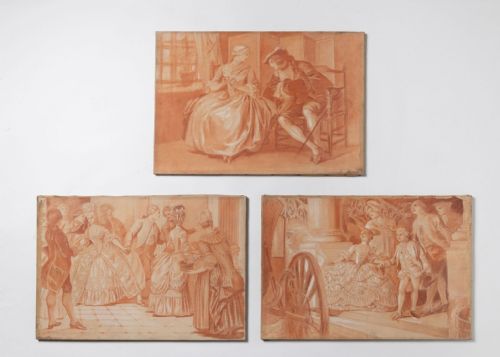
The pieces on this page span several centuries, including works from the seventeenth, nineteenth and twentieth centuries. Buyers encounter portraits of actors in character alongside genre scenes of gentlemen playing cards or women at tea.
Stylistic approaches vary widely, encompassing Dutch Golden Age style, Academic Historicism, Victorian Historicism and French Rococo. Each historical costume oil painting reflects the aesthetic priorities of its specific era of production.
How They Were Made
Makers utilised oil paint on stretched canvas or wooden panels, building up layers to achieve rich depth in fabric folds and facial expressions. This traditional technique allowed artists to render the intricate textures of historical garments with precision.
Many works retain their original framing, incorporating wood, gesso and giltwood or gilt wood mouldings. These ornate frames complement the theatrical and historical nature of the painted subjects.
Historical Costume Oil Painting Retail Price Guide 2026
Typical asking prices for historical costume oil painting among the pieces listed under this phrase on Sellingantiques today, from the lower quarter to the upper quarter. They describe what is for sale here now, not the wider market.
The selection spans multiple centuries, incorporating nineteenth-century Victorian genre painting and seventeenth-century style portraiture.
What Varies in Quality
The handling of fabric textures and costume details distinguishes superior works from simpler student pieces or later copies. Skilled artists captured the sheen of satin, the weight of velvet and the intricacy of lace with careful brushwork.
Compositional complexity and the psychological depth of the subject elevate certain portraits and genre scenes above others. Superior examples demonstrate a secure grasp of historical accuracy in dress combined with a convincing sense of character.
Samuel De Wilde·John Michael Wright·Robert Alexander Hillingford·Frank Moss Bennett·Hans Temple·Willem Johannes Martens·Marcel Brunery·Adolphe Alexandre Lesrel
The Historical Costume Oil Painting Glossary
- Academic Historicism
- A nineteenth-century artistic style focused on accurate depiction of historical subjects and academic rigour in composition.
- Genre Painting
- The pictorial representation of scenes from everyday life, often featuring figures engaged in social activities or leisure.
- Gesso
- A plaster-like mixture applied to wood or canvas as a base for painting or as a smooth surface for gilded frame mouldings.
- Giltwood
- Wood that has been treated with gold leaf or gold paint, frequently used for ornate historical picture frames.
- Dutch Golden Age Style
- An artistic approach modelled on seventeenth-century Dutch painting, noted for dramatic lighting and realistic detail.
Historical Costume Oil Painting: Frequently Asked Questions
What defines a historical costume oil painting?
These works portray individuals dressed in the fashion of earlier centuries rather than the contemporary dress of the artist. They bridge portraiture and historical narrative.
Subjects might include actors in theatrical roles, literary figures or everyday people participating in past eras.
How do I identify the period of the painting?
Examine the materials, stretcher bars, canvas type and framing alongside the specific painting style. Nineteenth-century works often favour Victorian historicism, while later pieces adopt earlier stylistic revivals.
Signatures, biographical details of the artist and inscription styles also provide reliable chronological markers.
Where should I hang these paintings?
These works suit traditional reception rooms, libraries or studies where their rich palettes and historical themes complement period interiors. They require stable wall spaces away from direct sunlight and damp conditions.
Proper lighting enhances the reflective qualities of the oil paint and the intricate details of the gilt frames.
What subjects are most common?
Portraits of actors in character, gentlemen in elaborate seventeenth-century dress and narrative genre scenes dominate this category. Painters frequently depicted card games, tea parties and sporting pursuits.
Costume details range from Tudor ruffs to eighteenth-century dandy attire.