
Architectural Wood Salvage
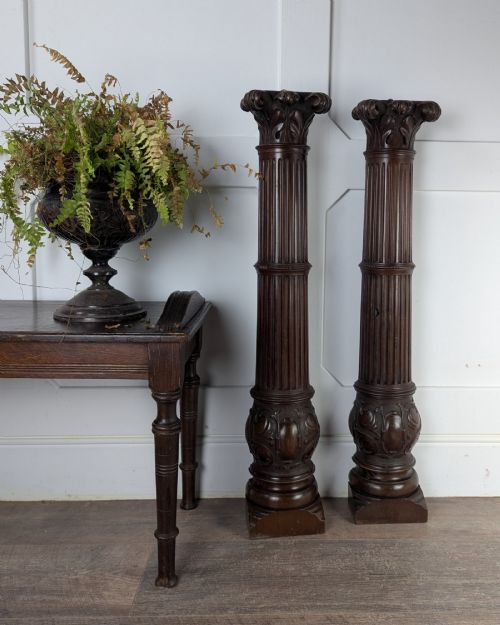
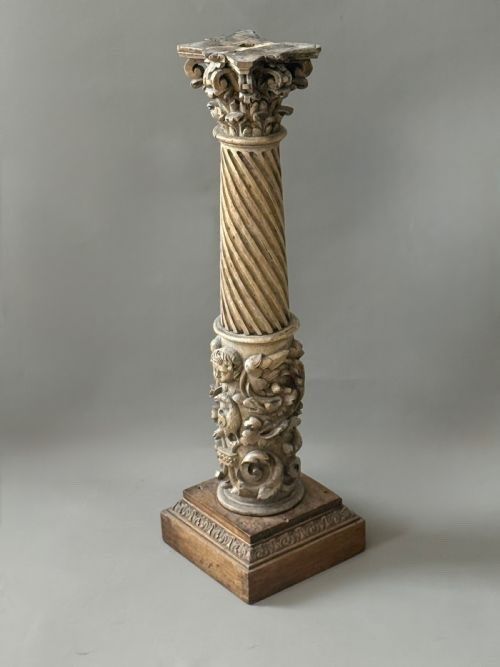
Architectural wood salvage comprises centuries of carved panels, brackets, and overmantels that bring historic texture and structural depth to modern interiors.
Architectural Wood Salvage
When buyers search for architectural wood salvage, they encounter dismantled elements from historic buildings spanning the sixteenth century through the Victorian era.
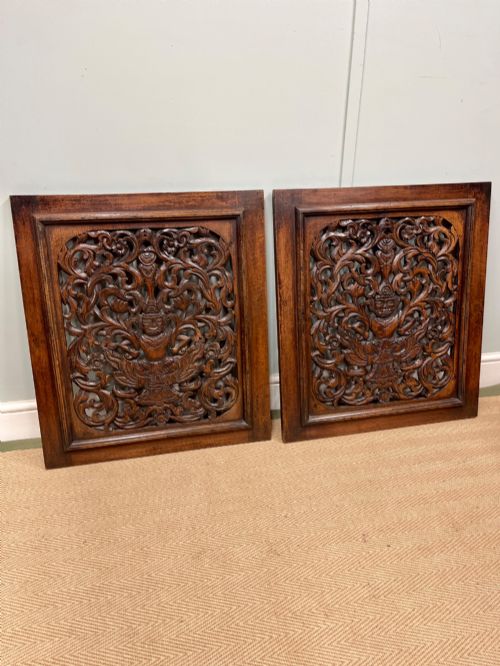
The selections on this page concentrate heavily on wall panels, overmantels, brackets, and carved architectural fragments originating from English, French, Italian, and Flemish workshops.
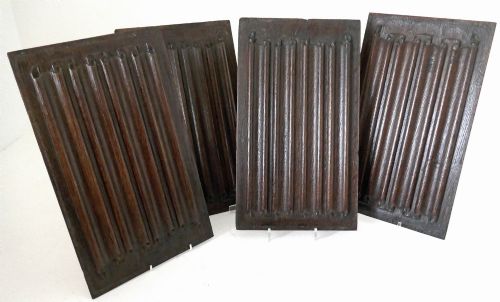
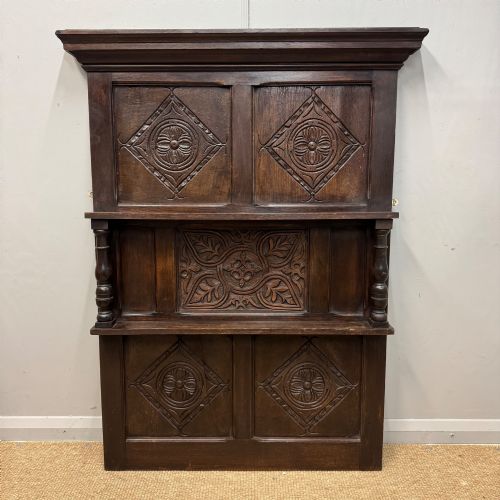
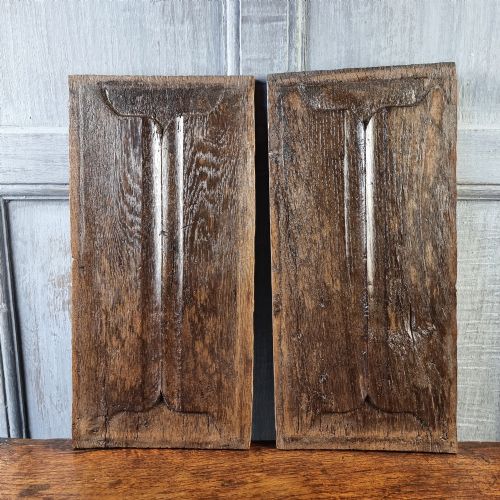
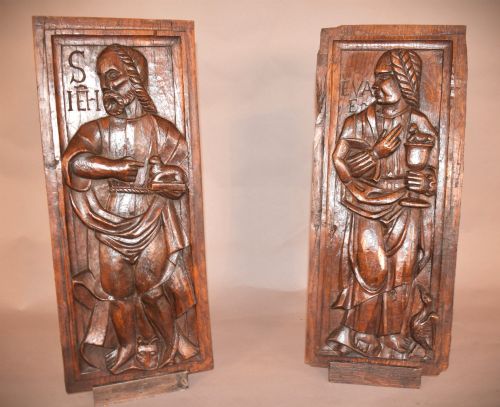
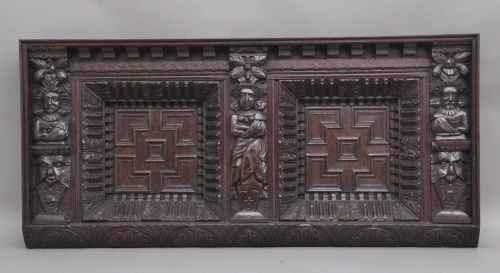
Early oak linenfold panels and seventeenth-century carved carvings appear frequently alongside later mahogany pelmets and eighteenth-century pine overmantels.
Materials and construction methods
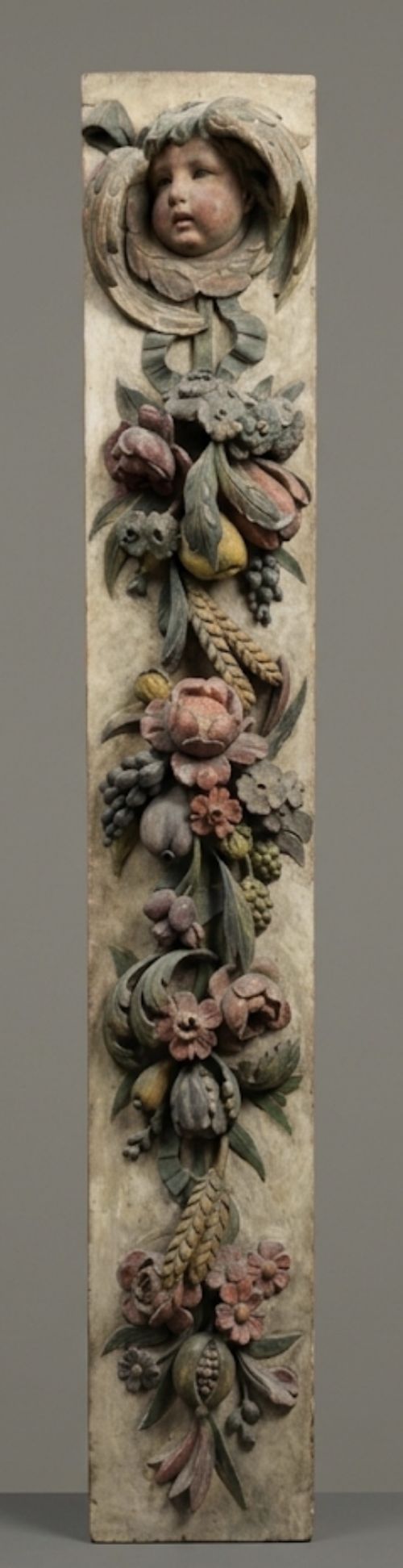
Makers relied primarily on native timbers such as oak, walnut, mahogany, pine, and limewood, shaping them with hand chisels and gouges to achieve deep relief.
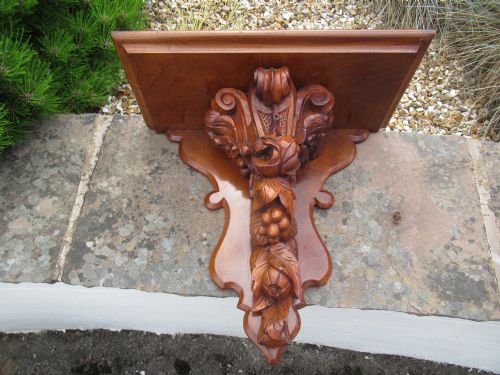
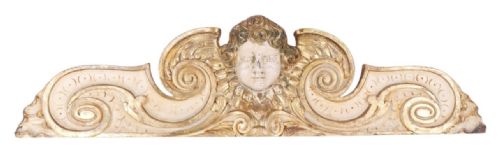
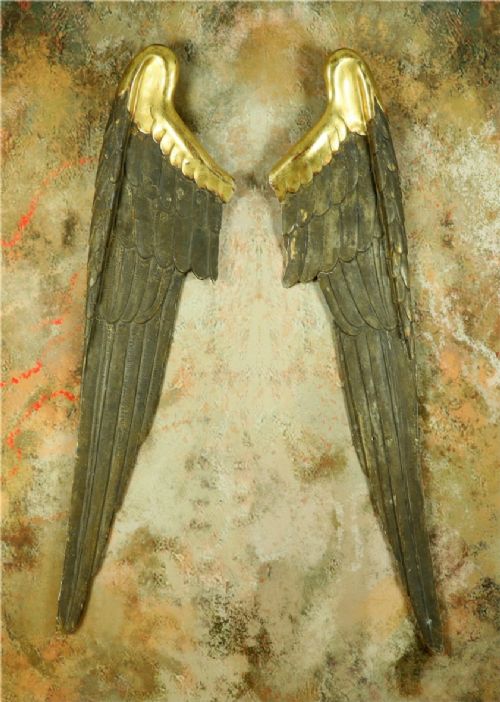
Surfaces were frequently finished with polychrome paint, gesso, or gold leaf to enhance the decorative impact of wall brackets, ceiling roses, and overdoor pediments.
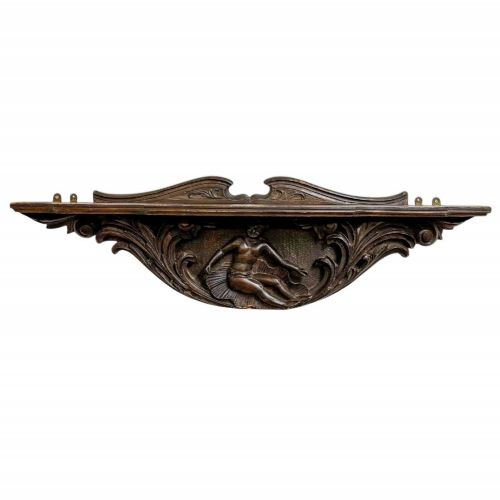
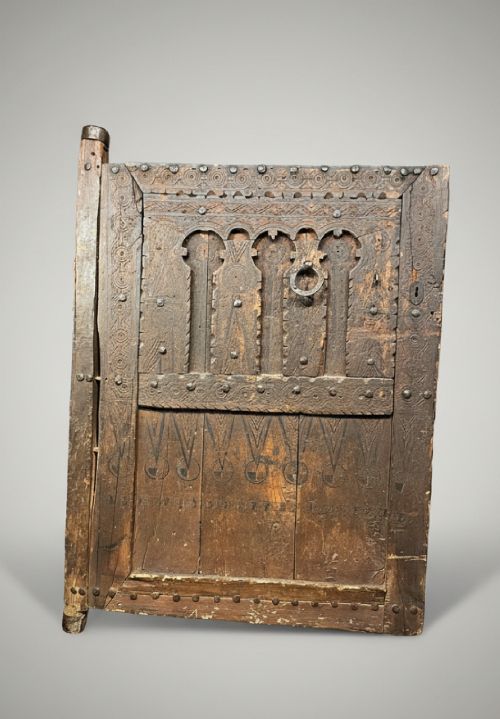
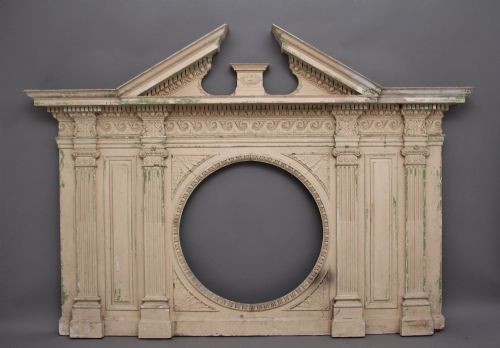
The inventory includes functional architectural elements such as pelmets, ceiling roses, door panels, and overdoor pediments.
Distinctions in quality
Quality rests upon the crispness of the hand carving, the depth of the timber relief, and the integrity of the original surface finishes like paint and gesso.
Pieces attributed to skilled hands or prominent carvers display superior anatomical proportions and fluid foliage scrollwork compared to simpler vernacular items.
Edward Pearce·Thomas Chippendale
The Architectural Wood Salvage Glossary
- Linenfold
- A style of wood panelling carved in relief to imitate folded linen fabric. It is commonly found on sixteenth-century oak panels.
- Overmantel
- A decorative wooden framework or panel placed directly above a fireplace mantelpiece. These often feature intricate carvings or central figurative reliefs.
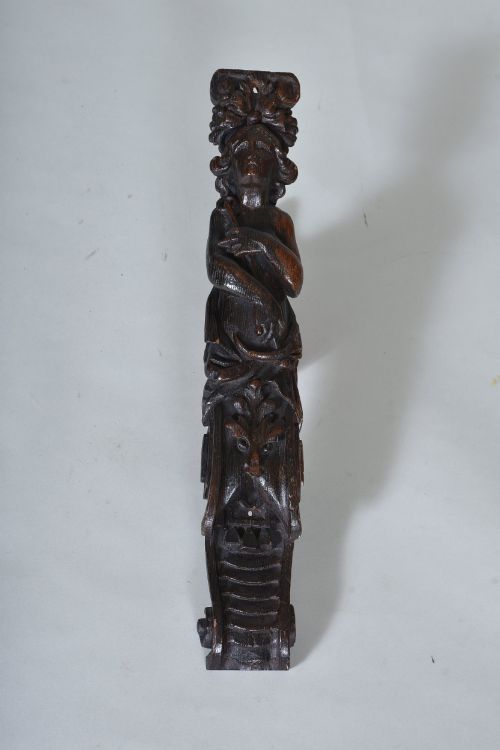
- Corbel
- A projecting bracket of stone, wood, or metal supporting a weight above. Wooden examples frequently terminate in carved scrolls or foliage.
- Ceiling Boss
- A decorative projecting block at the intersection of ribbed vaulting or ceiling timbers. They are often carved with leaves or geometric motifs.
- Newel Post Finial
- An ornamental crowning detail fitted to the top of a stair newel post. Lions and figurative carvings are traditional motifs for these elements.
Architectural Wood Salvage: Frequently Asked Questions
What is architectural wood salvage?
Architectural wood salvage consists of rescued decorative and structural elements taken from older buildings before demolition or renovation. These pieces range from wall panels and brackets to entire entrance screens and overmantels.
Buyers acquire these items to integrate authentic historic craftsmanship and tactile wooden textures into contemporary or period interior schemes.
How do I date a carved wooden panel?
Dating relies on identifying the prevailing woodwork styles, joint methods, and timber species characteristic of specific centuries. For example, sixteenth-century examples often display linenfold patterns in heavy oak, whereas eighteenth-century pieces may utilise pine or limewood with classical swags.
Examining tool marks and the natural patina of the wood provides further clues regarding the age of the carving.
Where were overmantels used?
Overmantels were installed directly above domestic fireplaces as decorative focal points within principal rooms. They frequently incorporated mirrors, painted panels, or high-relief carvings depicting allegorical scenes.
Today, they can be remounted above modern fireplace openings or hung on plain walls as standalone pieces of wall art.
How do I clean antique carved wood?
Antique carved wood should be cleaned gently using a soft, dry brush to remove dust from deep recesses and carved crevices. Avoid using modern liquid detergents, harsh chemical sprays, or soaking water on older timber surfaces.
Applying occasional microcrystalline wax helps protect the wood and preserves the original patina without building up heavy residues.