



Architectural Salvage Wall Bracket
These architectural salvage wall bracket pieces bring character and structural heritage directly into your interior spaces.
Architectural Salvage Wall Bracket
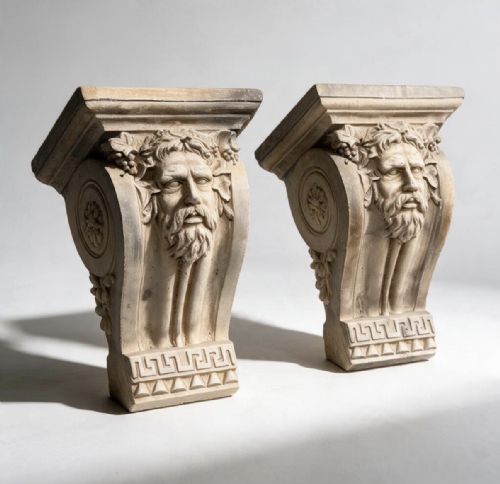
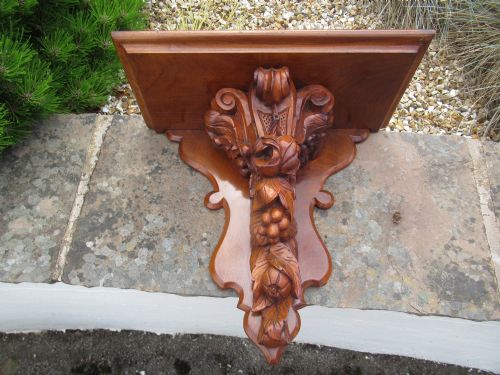
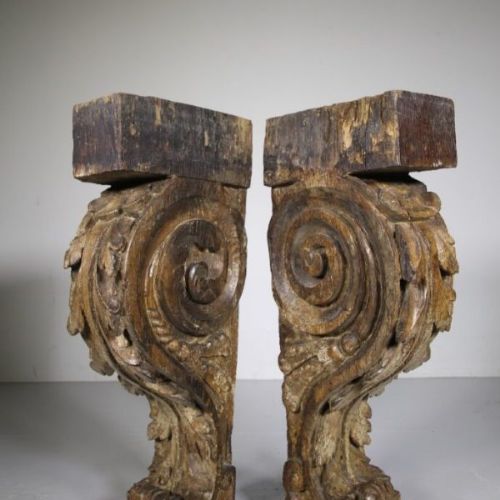
When you search for an architectural salvage wall bracket, you are looking at fragments of buildings from the seventeenth century through to the twentieth century. These items include stone corbels, carved timber brackets, and heavy cast iron supports once used to bear loads or frame openings.
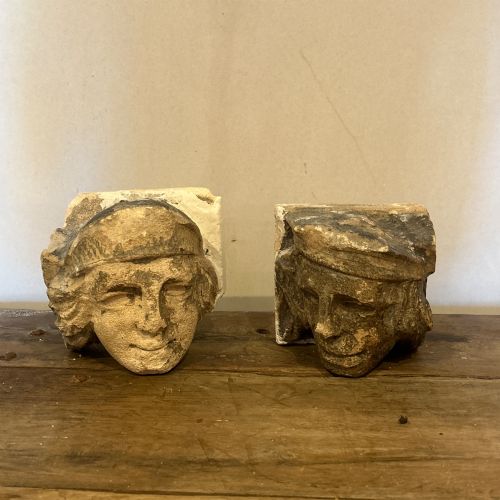
The pieces on this page span styles from medieval gothic and Georgian to industrial and Victorian neoclassical. You will find items originating from England, France, Germany, and China, reflecting diverse building traditions.
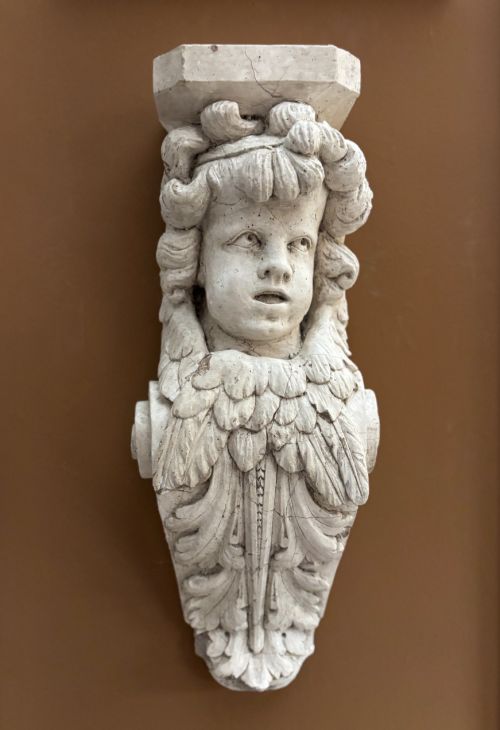
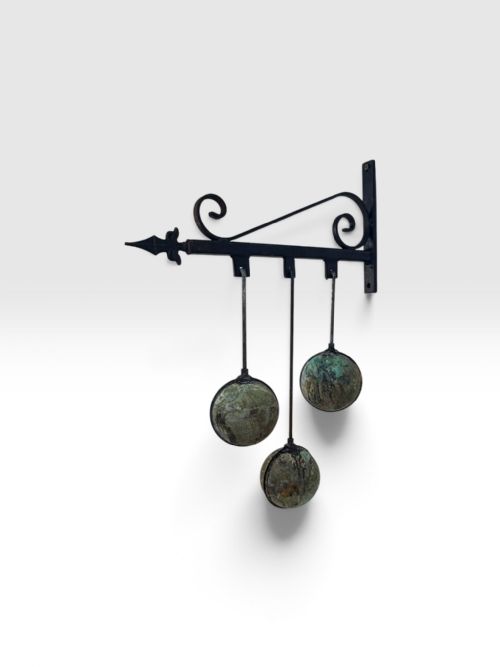
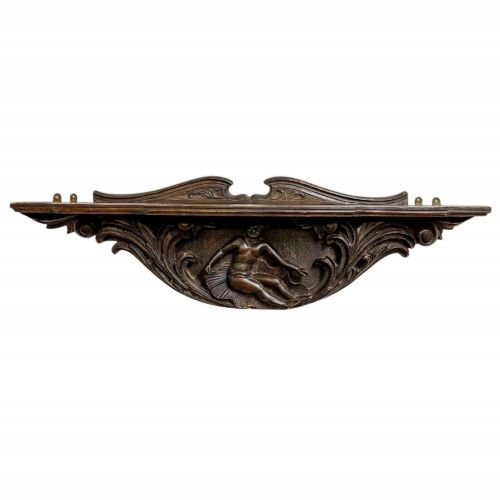
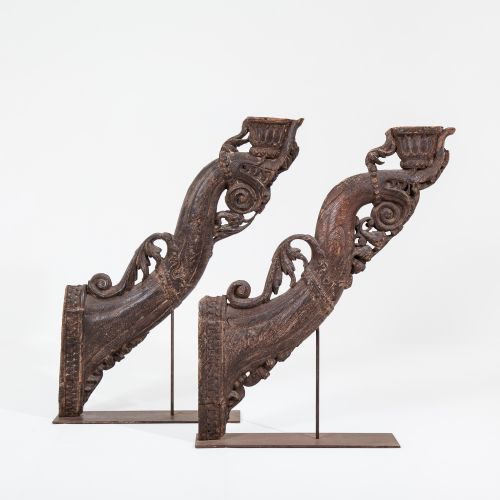
Forms range from structural oak corbels and limestone figures to decorative wall shelves, capitals, and painted wrought iron brackets. Each piece retains the marks of its original architectural context.
What varies in quality
Quality rests in the depth and crispness of the carving, whether executed in dense timber or hard limestone. Superior examples display confident sculptural form and anatomical precision in figures or classical foliage.
The integrity of the material and the survival of original surface treatments, such as historic paint or natural patination, separate fine architectural fragments from simpler utilitarian hardware.
Architectural Salvage Wall Bracket Retail Price Guide 2026
Typical asking prices for architectural salvage wall bracket among the pieces listed under this phrase on Sellingantiques today, from the lower quarter to the upper quarter. They describe what is for sale here now, not the wider market.
The Architectural Salvage Wall Bracket Glossary
- Corbel
- A structural piece of stone, wood, or metal projecting from a wall to support a weight inside or outside a building.
- Capital
- The uppermost member of a column or pilaster, often carved with classical foliage or figurative details.
- Pediment
- A triangular or shaped architectural gable above a door, window, or shelf, frequently decorated with carvings.
- Putto
- A figure of a small infant, commonly depicted in art and architectural carving from the Renaissance onwards.
Architectural Salvage Wall Bracket: Frequently Asked Questions
How were architectural wall brackets originally used?
These pieces served structural and decorative roles in buildings, supporting beams, overdoors, and heavy shelves. Many acted as corbels carrying ceiling loads or framing important interior openings.
Over time, builders and craftsmen integrated them into domestic and commercial structures for both utility and ornamentation.
How can I tell the period of a bracket?
Dating relies on stylistic clues, tool marks, and the specific material used in construction. Seventeenth and eighteenth-century pieces often feature hand-adzed oak or dense carved limestone with distinct tool signatures.
Victorian and later examples introduce cast iron, machine-cut timbers, and distinct revival styles like Gothic or Neoclassical.
Are these brackets strong enough for heavy loads?
Load-bearing capacity depends entirely on the original material and how securely you fix the piece to your wall. Solid stone, cast iron, and thick oak corbels were built to carry substantial architectural weight.
Lighter plaster or decorative pine brackets are better suited for display shelves holding modest weights rather than structural support.