


Architectural Leaded Glass Panel
An architectural leaded glass panel brings daylight through hand-painted scenes, heraldry, and textured panes salvaged from period buildings.
Architectural Leaded Glass Panel
When you search for an architectural leaded glass panel, you find glazed windows and inserts gathered from domestic and institutional buildings dating from the nineteenth century into the twentieth century. These pieces encompass church lancets, shop signs, and domestic casements originating across Victorian, Edwardian, Arts and Crafts, Art Nouveau, and Art Deco periods.
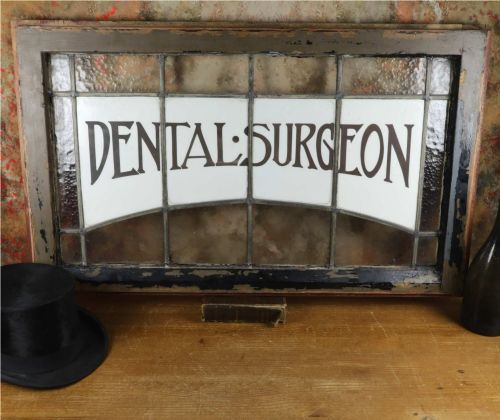
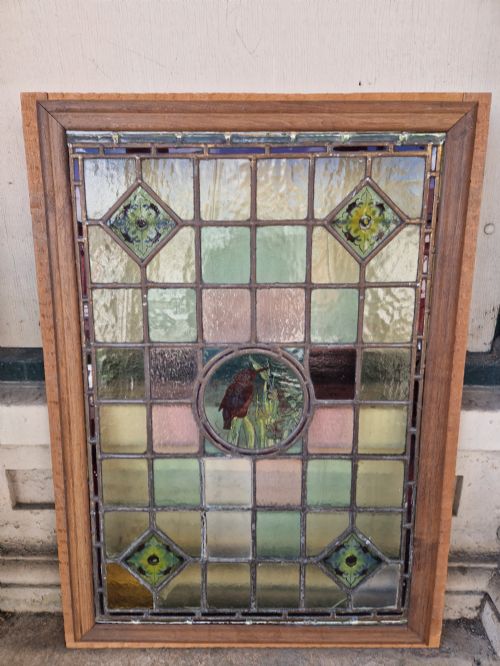
The version you meet most often on this page is a domestic window panel featuring lead cames holding together clear, amber, or stained glass, frequently accented with hand-painted details like birds, countryside scenes, or floral swags. Larger church windows and architectural salvage sections also appear, offering arched tops or multi-section formats framed in timber.
How they were made
Glaziers constructed each panel by cutting coloured, clear, or painted glass to fit a preconceived design before joining the individual pieces with flexible lead cames soldered at the joints. Artisans applied pigment directly onto the glass surface for pictorial elements such as countryside views, botanical motifs, and shop inscriptions, then fired the panels in kilns to permanent effect.
Surrounding timber frames, often fabricated from pine or general wood timber, provided structural support for heavier church and domestic installations. Bullseyes and textured glass inserts added varied light refraction, while specialised techniques like reverse cutting created detailed shop window signage for dental and tobacco merchants.
Materials recorded across the inventory include lead, stained glass, timber, and pine wood structures.
What varies in quality
The artistic ambition of the painted work distinguishes standard domestic glazing from exceptional pictorial examples. Hand-painted panels depicting complex countryside scenes, botanical studies, or figural subjects demonstrate superior draughtsmanship compared to purely geometric leads.
The integrity of the lead network and the clarity of the glass surface dictate the visual impact of the piece. Intricate assembly involving amber bullseyes, multiple stained glass hues, and undamaged lead cames indicates higher grade execution by period makers.
Sir Edward Burne Jones
The Architectural Leaded Glass Panel Glossary
- Came
- A slender strip of lead, milled with a grooved channel on either side, used to hold pieces of glass together in a window. These strips are soldered at every intersection to form a rigid matrix.
- Bullseye
- A round piece of glass featuring a central raised knob or concentric circles, formed by the pontil mark during hand-blowing. They create distorted, rippling light effects.
- Architectural salvage
- Building elements rescued from structures slated for demolition or renovation. This category includes windows, timber frames, and glass panels.
- Gothic Revival
- An architectural and decorative style drawing inspiration from medieval design. It frequently incorporates pointed arches, lancet shapes, and ecclesiastical motifs.
- Reverse cut glass
- A technique where glass is etched, painted, or gilded from the rear side so the design appears correctly when viewed through the polished front surface.
Architectural Leaded Glass Panel: Frequently Asked Questions
How do I hang a leaded glass panel?
Support the panel around its entire perimeter within a rebated timber frame rather than hanging it by suspending chains from the lead cames alone. Lead lacks the tensile strength to bear the weight of the glass over time, which causes sagging.
Secure the framed panel inside a window reveal or mount it securely against a back-lit wall box to protect the fragile leading from distortion.
Were these panels meant for interior or exterior use?
Most domestic and shop panels originated as exterior windows or transoms designed to admit daylight while obscuring views from the street. They functioned as primary weather barriers in period properties.
When installed in modern settings, many find new life as interior room dividers, wall hangings, or secondary glazing mounted safely behind clear protective glass.
How do I date an antique glass panel?
Examine the stylistic cues, such as the curved flowing lines typical of Art Nouveau or the geometric abstraction associated with Art Deco pieces. The subject matter, from Victorian heraldry to Edwardian floral swags, also anchors the piece to a specific era.
Material choices like pine frames and the specific colour palette of the stained glass provide further clues to align the object with nineteenth or twentieth-century manufacturing standards.
Can damaged lead cames be repaired?
A traditional glazier can repair broken lead cames and cracked glass segments by soldering new lead strips into the existing matrix. Skilled restoration preserves the structural integrity of the historic panel without replacing the surrounding original glass.
Minor bowing can be stabilized by reinforcing the perimeter, though gentle handling remains essential during any relocation or reframing.