




Architectural Garden Ornament
Architectural garden ornament brings historic stone, terracotta and iron into the open air, shaping grounds and terraces with enduring character.
Architectural Garden Ornament
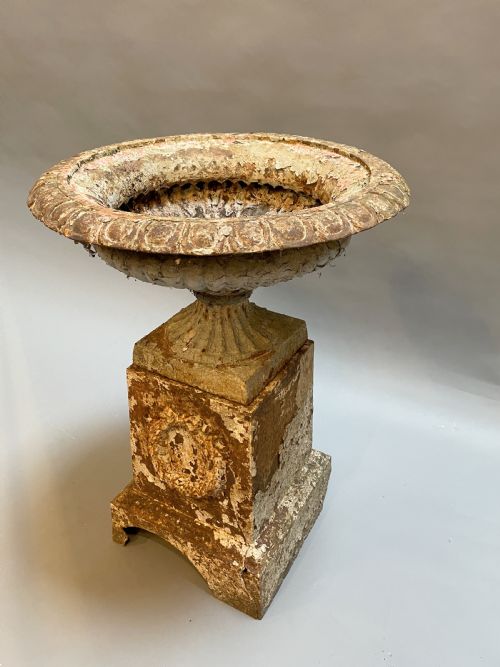
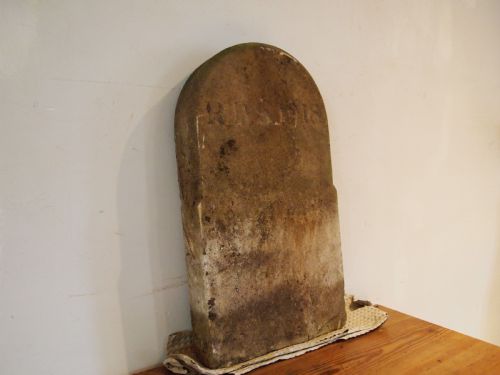
Architectural garden ornament encompasses stone statuary, salvaged structural fragments, staddle stones and weathered metalwork designed to anchor outdoor spaces. Buyers hunting for these pieces encounter items ranging from eighteenth-century Cornish granite staddle stones and York stone headstones to Victorian cast iron urns and terracotta chimney pots. The selection draws heavily upon nineteenth-century domestic salvage alongside eighteenth-century vernacular items.
Objects on this page lean towards sturdy utilitarian survivals and formal garden ornaments alike. Staddle stones, mill stones and boot scrapers sit alongside decorative finials, garden pedestals and fountain spouts. These pieces originate from domestic, agricultural and ecclesiastical settings, carrying the marks of long exposure to weather.
Stylistic diversity runs from Gothic revival pinnacles and neoclassical motifs to rustic vernacular forms and folk art copper weathervanes. Pieces reflect specific periods including Georgian, Regency, Victorian and Edwardian eras. Buyers find both monumental pairs of stone lions and singular architectural fragments such as sandstone keystones.
Quality and Character
Quality rests in the crispness of surviving detail and the integrity of the material against natural erosion. Hand-carved stone pieces show precision in tool marks and proportion, while cast iron and terracotta display depth of relief and clean mould lines. Weathering plays a vital role, where soft moss growth and lichen enhance the surface rather than obscure structural form.
Significance of origin and material selection elevate certain items, such as limestone pinnacles salvaged from medieval minsters or dated red sandstone keystones. The survival of matching pairs, including terracotta lions and stone guardians, provides balance for formal garden layouts. Authenticity of period surface finishes, from early paint traces to natural oxidation on copper, distinguishes exceptional survivals.
Architectural Garden Ornament Retail Price Guide 2026
Typical asking prices for architectural garden ornament among the pieces listed under this phrase on Sellingantiques today, from the lower quarter to the upper quarter. They describe what is for sale here now, not the wider market.
Listings feature items spanning from pre-sixteen hundred fragments to nineteen-fifty garden pedestals, utilising sandstone, terracotta, cast iron and granite.
The Architectural Garden Ornament Glossary
- Staddle stone
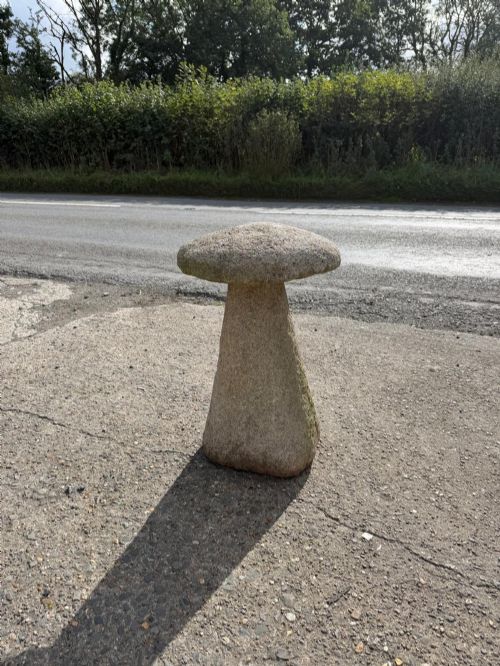
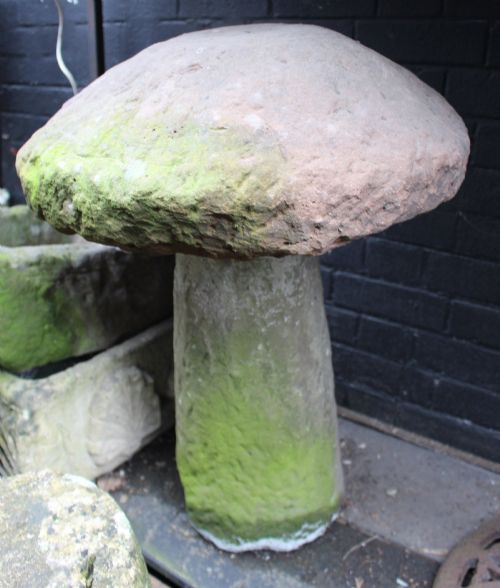
- A mushroom-shaped stone support originally used to elevate granaries above damp ground and pests. They consist of a base and a separate cap, typically hewn from granite or sandstone.
- Terracotta
- Fired unglazed clay of a brownish-red colour, frequently utilised for large garden pots, chimney units and architectural ornaments. It weathers with a characteristic porous texture.
- Keystone
- The central wedge-shaped stone at the apex of an arch, holding the other stones in position. These are often carved with dates, crests or decorative motifs.
- Weathervane
- A moveable metal indicator mounted on a roof or pole to show the direction of the wind, often fashioned from copper or iron in folk art silhouettes.
Architectural Garden Ornament: Frequently Asked Questions
What is an architectural garden ornament?
It is a salvaged or decorative item originally built for a structure or estate that now serves to ornament a garden or terrace. Examples include staddle stones, chimney pots, finials and stone lions.
These pieces bridge architecture and landscape design, offering both functional utility and sculptural presence in outdoor environments.
How were staddle stones used?
Staddle stones were constructed as structural supports for wooden granaries and rick yards, raising grain stores above the ground to keep them dry and safe from rodents. The wide cap prevented pests from climbing the tapered base.
Today, they are utilised as garden ornaments, often arranged along paths or used as low pedestals.
How do I care for antique stone and iron?
Antique stone requires minimal intervention, allowing natural weathering, moss and lichen to develop stability without harsh chemical cleaning. Gentle washing with water helps remove harmful debris while preserving the historic surface.
Cast iron and copper items benefit from periodic inspection and protective coatings if exposed to severe frost and moisture, preventing excessive corrosion.
Are these pieces suitable for outdoor use?
These ornaments are inherently designed for exterior exposure, having spent decades or centuries outdoors. Materials like granite, sandstone, terracotta and cast iron naturally endure seasonal weather changes.
Care should be taken during severe freezing conditions with porous terracotta to prevent water expansion and cracking.