
Architectural Garden
Architectural garden antique pieces bring enduring structure and historic character to outdoor spaces through salvaged stone, iron and terracotta.
Architectural Garden
An architectural garden antique represents the physical fabric of historic estates, repurposed for modern landscape design. Buyers seek these items to anchor garden spaces with authentic period presence.
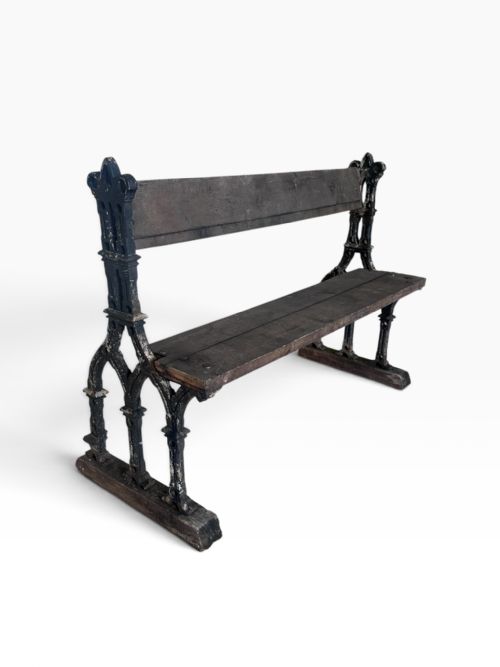
The selections span utilitarian items like staddle stones and millstones alongside decorative urns, benches and gates. Cast iron and wrought iron forms dominate the ironwork category.
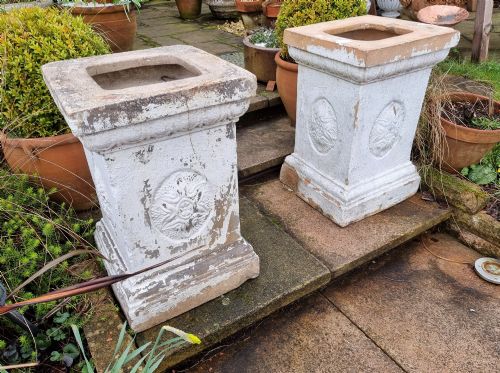
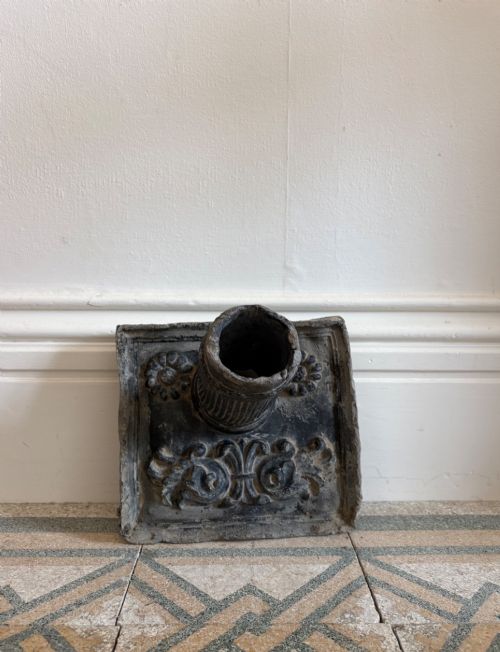
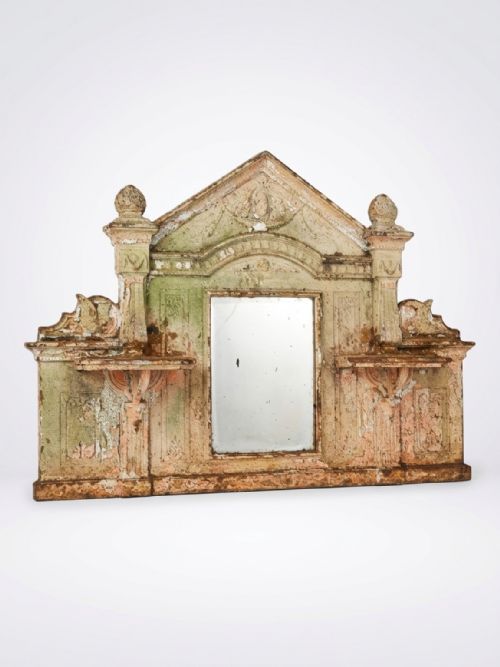
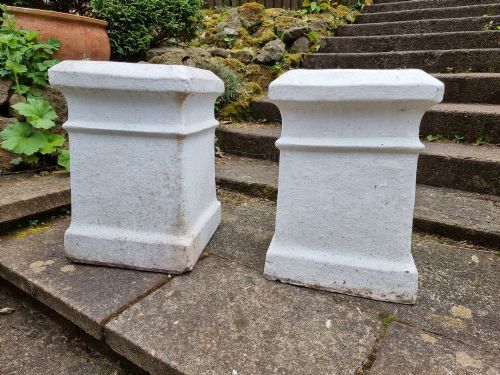
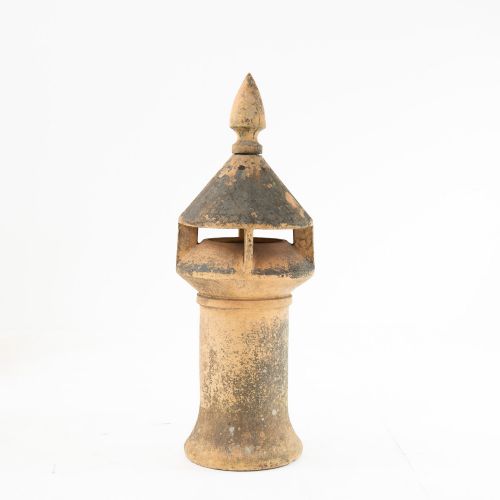
Originating predominantly from the nineteenth and eighteenth centuries, these pieces carry the marks of Georgian and Victorian design principles. Stone pedestals, terracotta chimney pots and cast iron boot-scrapers appear frequently.
How they were made
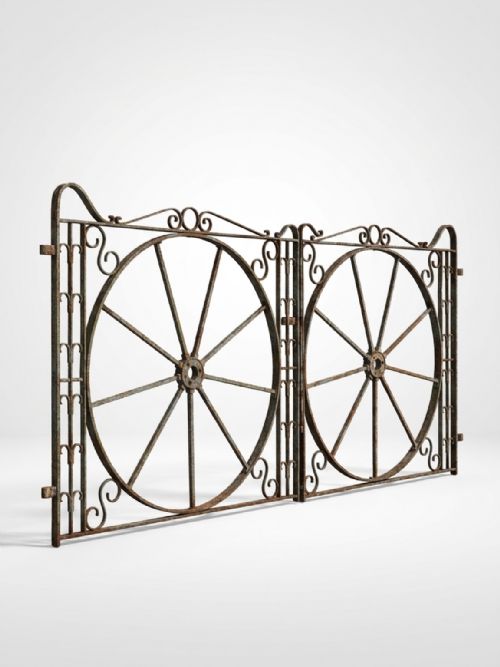
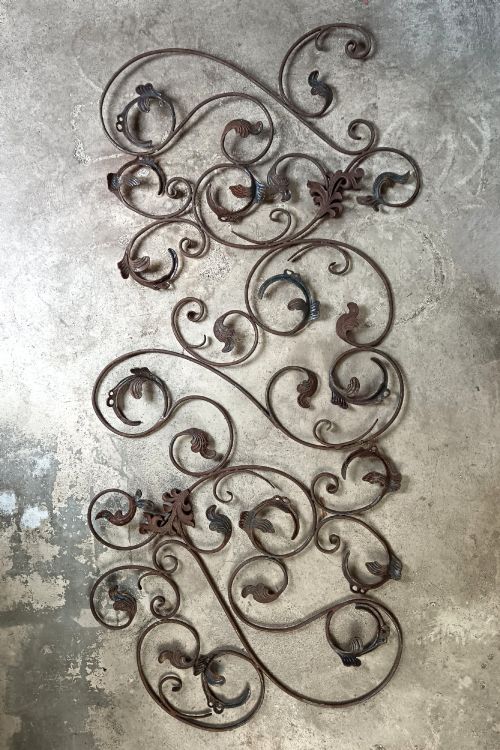
Metal elements rely on traditional casting and forging techniques, utilising cast iron, wrought iron, bronze and zinc. Smiths hammered scrolls and riveted gates by hand.
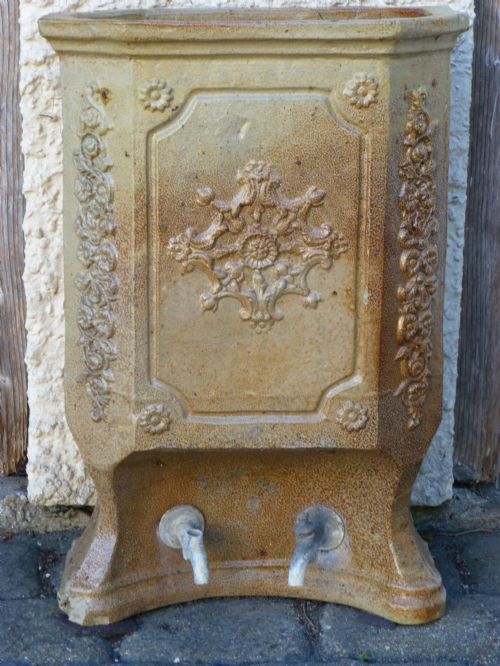
Stone and terracotta objects utilise regional materials like sandstone, granite and salt-glazed stoneware, shaped through masonry and kiln-firing. Composite stone and clay castings formed planters and finials.
An unexpected boat from a fairground ride sits among the heavy stone troughs and estate gates.
What varies in quality
Quality rests in the integrity of the material and the crispness of the original moulding or hand-forged detail. Estate-made items often display individual character absent in mass production.
The depth of weathering and patination alters the visual weight of stone and iron surfaces. Intact structural joins separate durable architectural elements from compromised pieces.
Dunfermline Clay Company·C. R. Stevens·Raymond Subes
The Architectural Garden Glossary
- Staddlestone
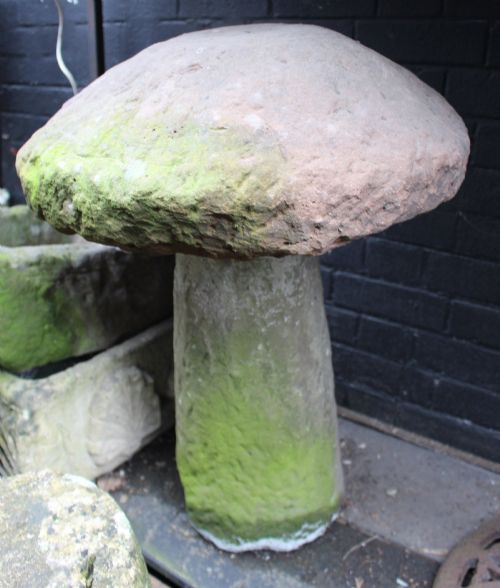
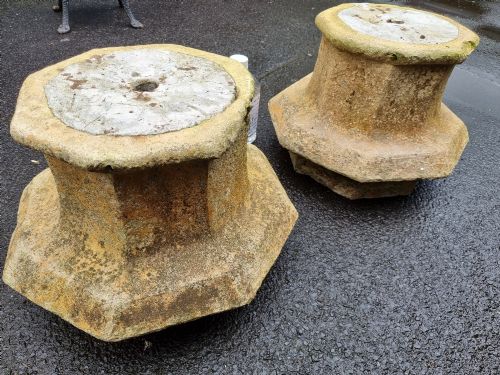
- A mushroom-shaped stone support originally used to elevate granaries above damp ground and pests. These items now function as prominent garden ornaments.
- Boot scraper
- A fixed iron blade embedded near a doorway to clean mud from footwear. They demonstrate practical nineteenth-century domestic metalwork.
- Finial
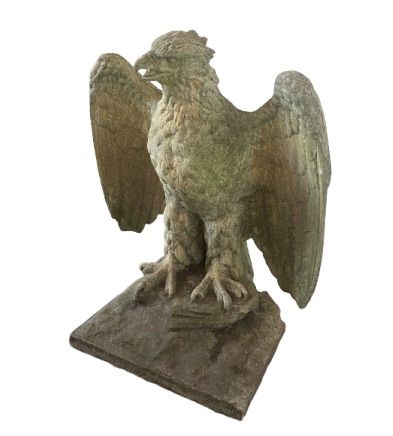
- A decorative architectural device marking the top apex of a pier, gatepost or roofline. Stone eagles and urns frequently serve this purpose.
- Faux bois
- A technique simulating wood grain using concrete, stone or plaster. Victorian artisans applied this method to garden seats and planters.
- Millstone
- A heavy circular stone used for grinding grain, often repurposed as a landscape feature or tethering stone.
Architectural Garden: Frequently Asked Questions
How do I use staddle stones?
Staddle stones work best arranged formally on lawns or grouped to support timber structures. Their distinct mushroom profile adds height and historical texture to planting beds.
Position them where the weathered granite or sandstone can contrast against green foliage. They require no special maintenance beyond occasional clearing of moss.
How do I maintain cast iron gates?
Cast iron gates need regular inspection for moisture accumulation around rivets and hinges. Applying appropriate protective coatings prevents flaking and structural decay.
Allow the natural patination to settle while keeping moving joints lightly oiled. Proper drainage around ground fixings preserves the metal base.
Where should I place garden urns?
Garden urns anchor formal pathways, terrace corners and garden focal points. Placing them on stone pedestals or columns elevates their profile within planting schemes.
Ensure the drainage holes remain clear if planting directly inside them. Heavy stone and cast iron urns stand safely on level ground without extra fixings.
How do I date antique ironwork?
Dating ironwork involves examining the assembly methods, such as hand-forged rivets versus machine-cut screws. Wrought iron elements from the eighteenth century show distinct hand-hammered textures.
Victorian pieces often utilise cast iron with heavier decorative ornamentation like Gothic revival motifs. Comparing the style of scrolls and brackets against known period examples clarifies the era.