
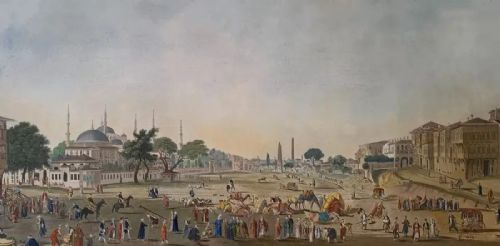


Architectural Copperplate Print
An architectural copperplate print brings classical facades and ancient ruins directly into a room, offering a tangible link to Grand Tour travels.
Architectural Copperplate Print
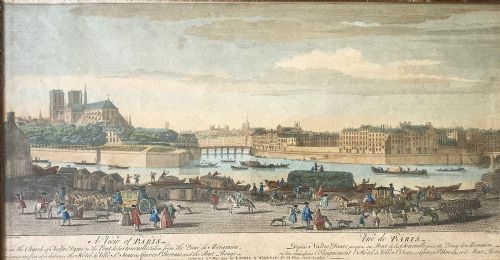
An architectural copperplate print captures classical antiquities, grand cathedrals, and structural elevations from the seventeenth, eighteenth, and nineteenth centuries. These works record the physical appearance of ancient sites, temples, and urban prospects across Europe and the Near East.
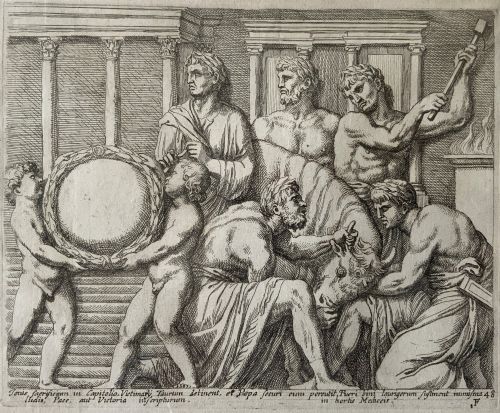
The version most commonly met on this page is the eighteenth-century sheet, often originating from comprehensive surveys of Athenian monuments or Vatican loggie decorations. Such plates depict specific architectural orders, statues, and historical facades intended for scholarly study or aesthetic appreciation.
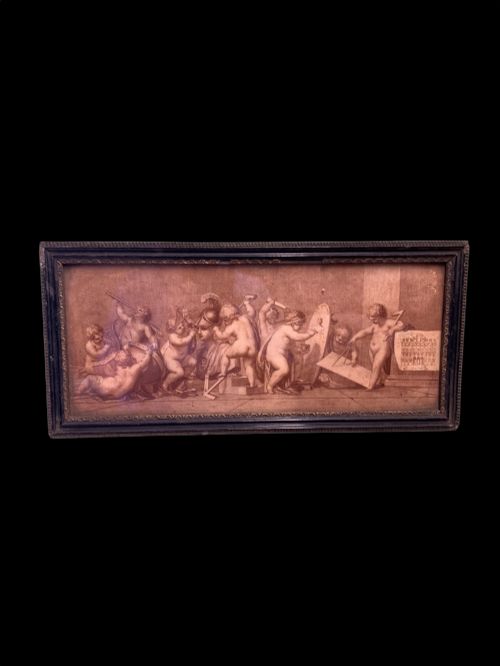
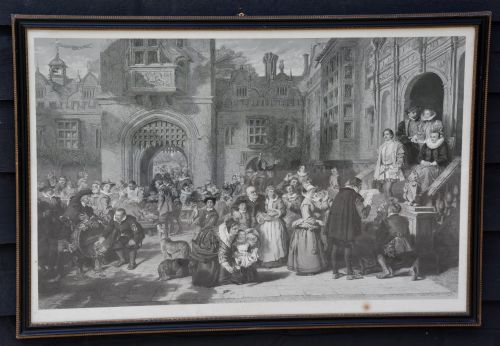
Many of these engravings arrive framed in period surrounds, including maple or gilt wood, which complement the monochromatic ink lines. Others present with original hand colouring applied to enhance the depicted masonry and landscape details.
How they were made
Printmakers created these works by incising lines into a copper plate using a sharp burin or by biting the metal with acid in an etching process. The inked copper plate ran through a heavy press under immense pressure to transfer the detailed image onto heavy paper.
Selected plates received subsequent washes of watercolour by hand to add colour to the architectural elements and figures. Finished engravings frequently found placement within contemporary wooden frames protected by glass to preserve the paper from atmospheric damage.
Architectural Copperplate Print Retail Price Guide 2026
Typical asking prices for architectural copperplate print among the pieces listed under this phrase on Sellingantiques today, from the lower quarter to the upper quarter. They describe what is for sale here now, not the wider market.
Several plates capture ancient Greek deities supervising architectural wind towers rather than mere stone columns.
What varies in quality
The crispness of the plate impression dictates the primary visual merit of an architectural copperplate print, as early strikes from a freshly etched copper sheet reveal sharp, fine lines that blur on later printings. Master engravers achieved exceptional depth and perspective, whereas hurried workshop productions yield flatter architectural renderings.
The condition of the paper substrate and the integrity of any original hand colouring significantly influence the standard of the piece. Plates retained in contemporaneous frames with minimal foxing or fading preserve the intended aesthetic of the publisher far better than heavily restored examples.
François Perrier·Anton Ignaz Melling·Alessandro Mocchetti·J. Mitan·Francesco Piranesi·James Basire·Edward Rooker
The Architectural Copperplate Print Glossary
- Copperplate
- A printing plate made from polished copper onto which an image is incised or etched. This medium allowed artists to achieve remarkable architectural detail and fine linear precision.
- Engraving
- A printmaking technique where an artist cuts lines directly into metal using a hardened steel tool called a burin. The resulting grooves hold ink for transfer onto paper under press pressure.
- Etching
- A process where acid bites the lines into a metal plate through a protective wax ground. This method afforded printmakers greater freedom of line than direct manual cutting.
- Grand Tour
- An eighteenth-century custom involving educational travel across continental Europe to study classical art and architecture. Resulting publications documented these ancient monuments for domestic audiences.
- Hand colouring
- The application of transparent watercolours by hand to a finished monochrome print. This technique brought vitality to architectural elevations and sculptural figures.
Architectural Copperplate Print: Frequently Asked Questions
What is an architectural copperplate print?
An architectural copperplate print is a historical image pressed from an engraved metal plate, depicting buildings, ancient ruins, and classical ornaments.
These works served as records of European and Mediterranean architecture during the seventeenth, eighteenth, and nineteenth centuries.
How were these prints used originally?
Publishers bound these plates into large folio volumes documenting antiquities for scholars, architects, and travellers returning from the Grand Tour.
Owners frequently removed individual plates to frame them for display in libraries, hallways, and drawing rooms.
How should I care for a framed print?
Protect the paper from direct sunlight to prevent fading of the ink and any original watercolour washes applied to the sheet.
Keep the print in a stable environment away from excessive moisture to avoid paper degradation and foxing spots.
How can I tell the period of a print?
Examine the paper quality, plate marks, and typography associated with the publication, alongside stylistic cues from the depicted architecture.
Many eighteenth-century plates bear publisher inscriptions and publication dates directly beneath the engraved image area.