

Arched Wooden Clock
An arched wooden clock brings architectural form and mechanical precision into a room, spanning centuries of cabinet-making and horology.
Arched Wooden Clock
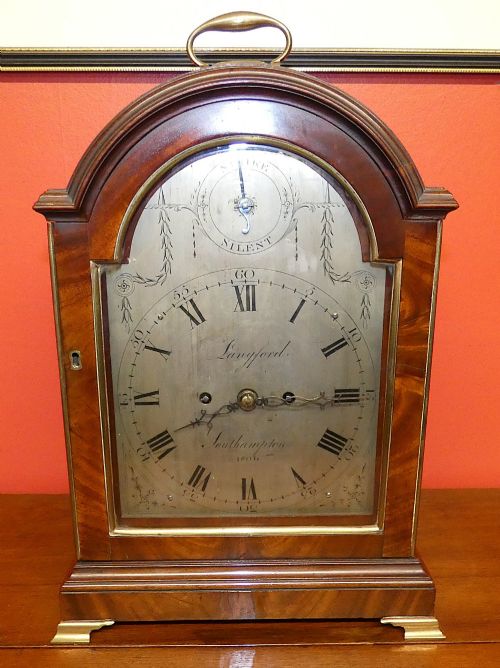
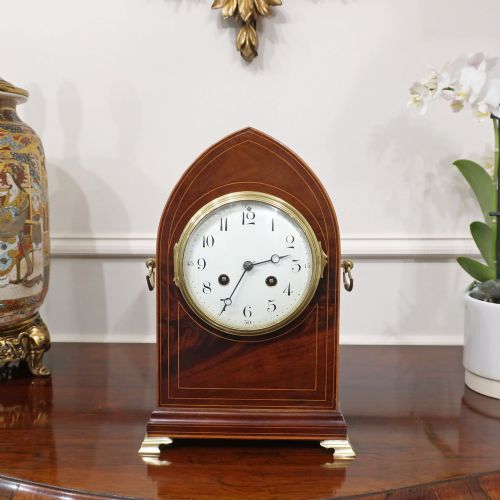
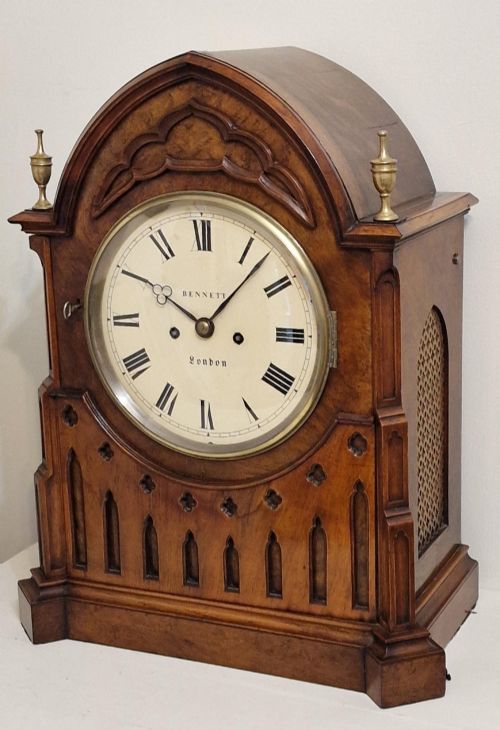
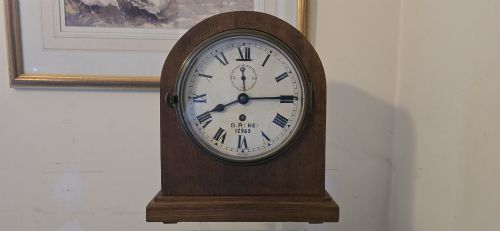
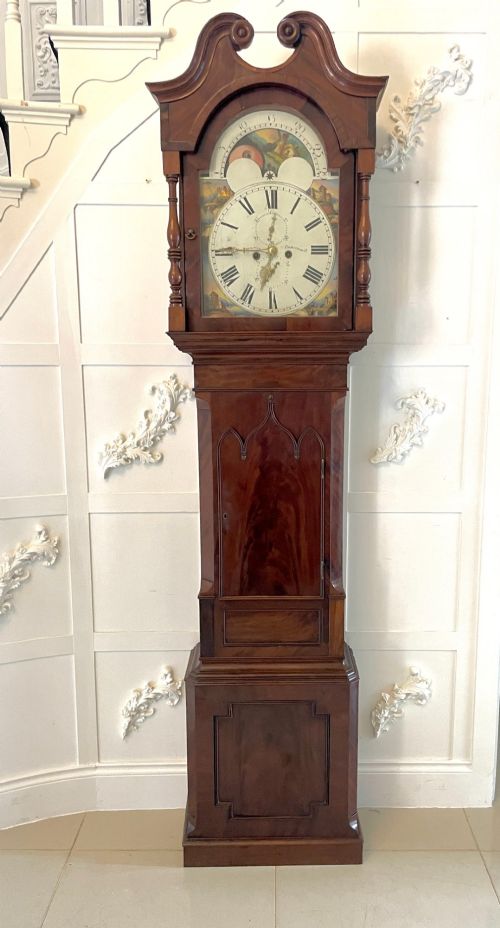
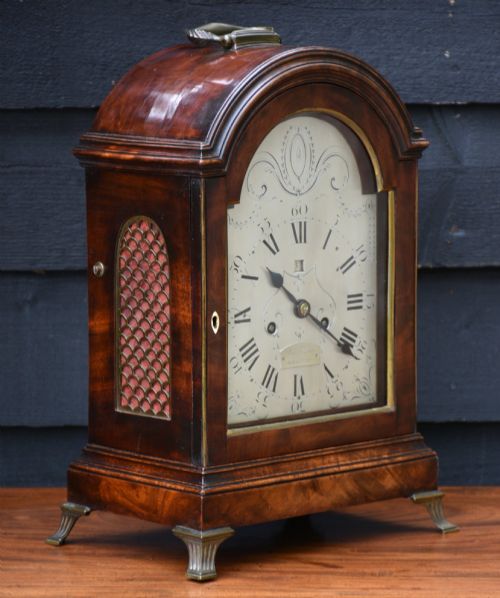
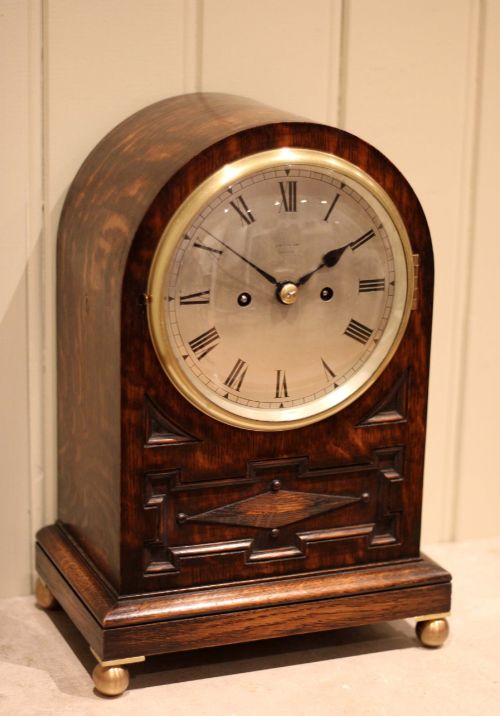
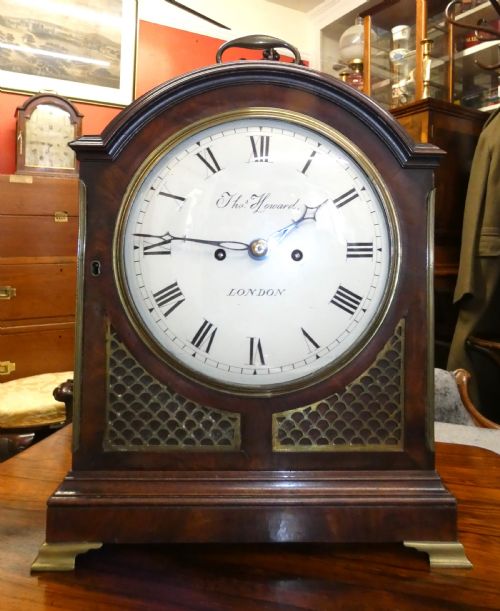
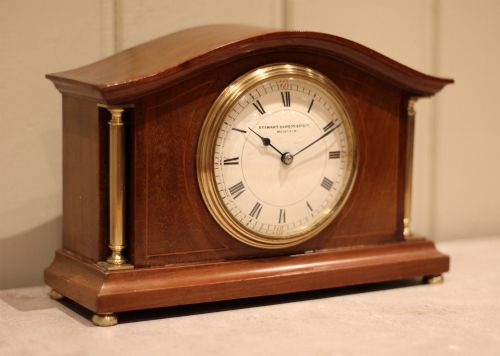
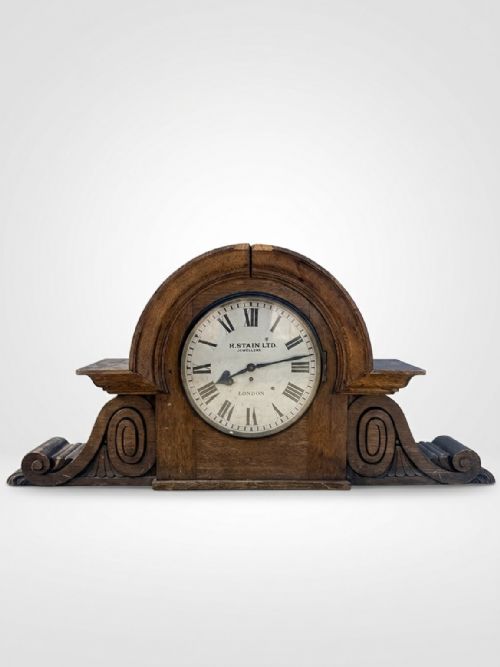
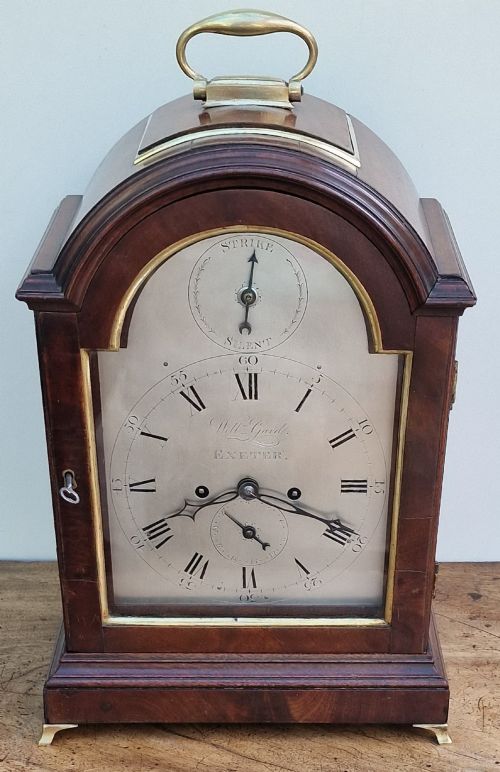
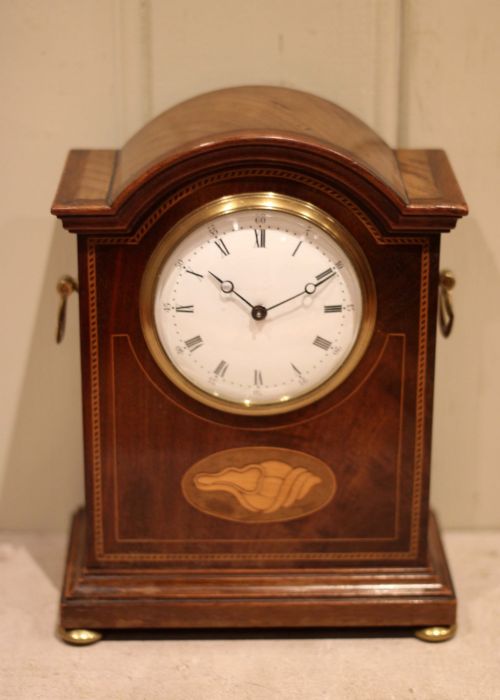
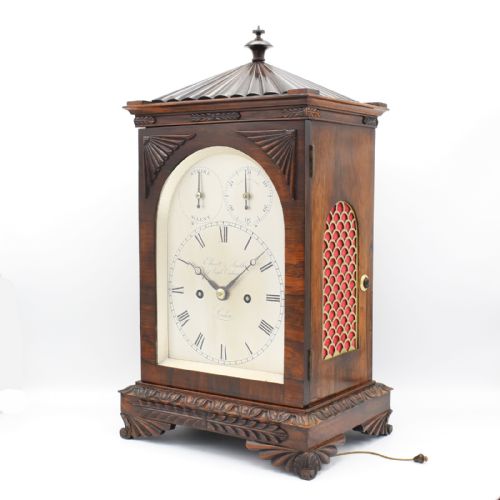
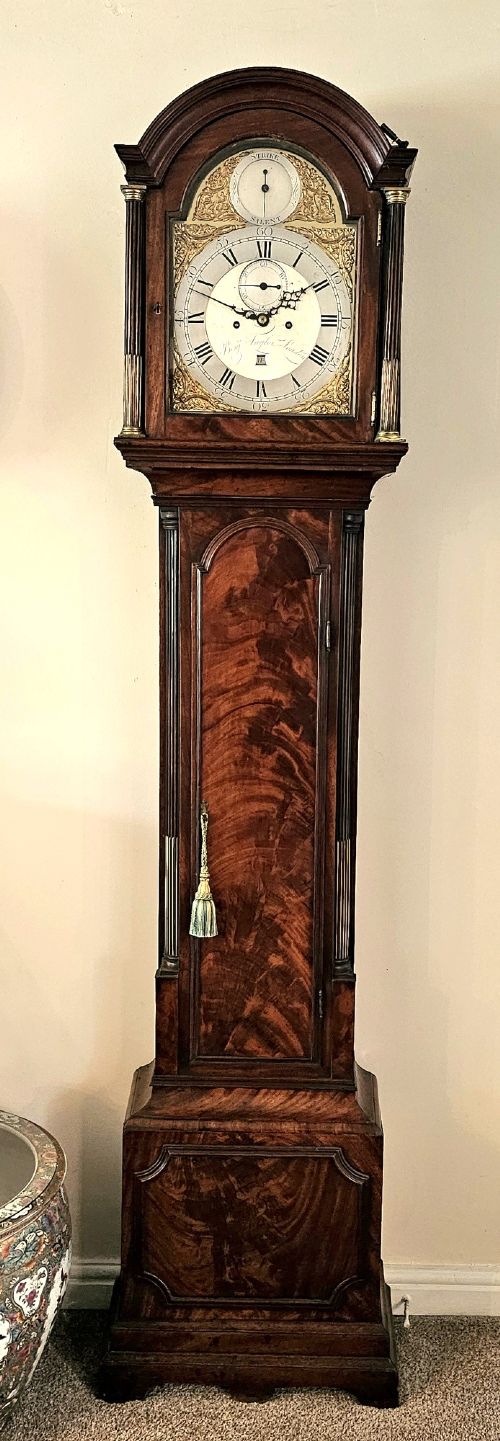
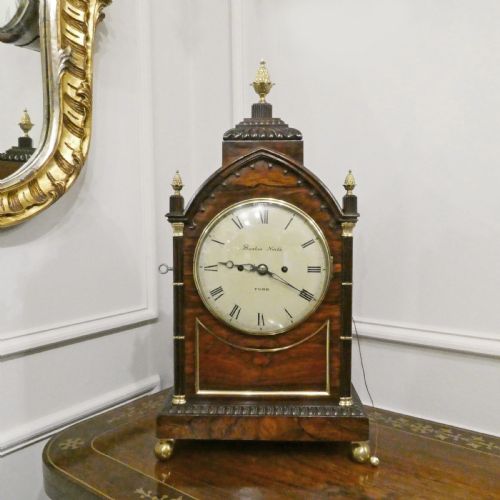
When you search for an arched wooden clock, you encounter timepieces ranging from compact mantel and bracket formats to towering longcase examples. These pieces span the eighteenth, nineteenth, and early twentieth centuries, encompassing Georgian, Regency, Victorian, and Edwardian periods.
The architectural arch defines the top of the timber case, housing circular enamel, brass, or silvered dials. Makers housed these movements in domestic spaces, creating functional objects that doubled as statement furniture.
Mantel and bracket clocks sit on surfaces or furniture brackets, while longcase and grandmother clocks stand directly on the floor. Regional British makers and continental workshops alike produced these arched wooden forms.
Materials and Construction
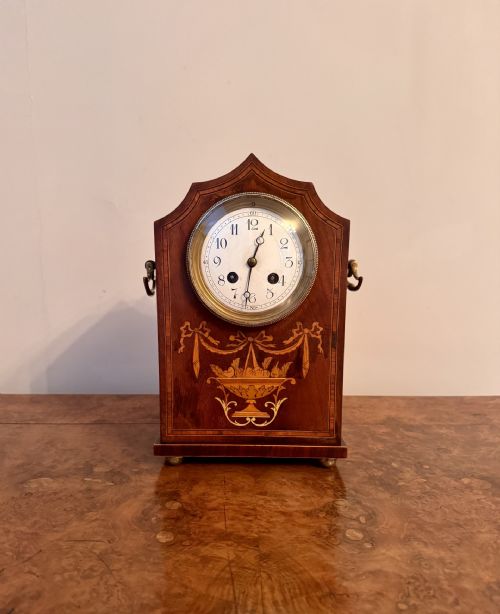
Cabinet-makers constructed the architectural cases using dense hardwoods such as mahogany, oak, walnut, and rosewood, frequently applying decorative veneers, quarter-veneering, or satinwood inlay.
Makers integrated brass bezels, glass dial covers, and silvered or enamel chapter rings into the timber framework to display the mechanical movements. Certain provincial pieces feature pine painted in original colours.
Clockmakers fitted fusee, spring-driven, or weight-driven movements inside the wooden housings, occasionally incorporating musical chimes, bells, or quarter-striking mechanisms.
Arched Wooden Clock Retail Price Guide 2026
Typical asking prices for arched wooden clock among the pieces listed under this phrase on Sellingantiques today, from the lower quarter to the upper quarter. They describe what is for sale here now, not the wider market.
Several Edwardian examples feature delicate marquetry poppies blooming across the wooden arch, proving that timekeepers could also double as garden beds.
Judging Quality and Execution
The refinement of the cabinet-making sets individual pieces apart, seen in the grain selection of the mahogany or walnut veneer and the precision of inlaid details like floral motifs.
Horological complexity distinguishes standard timepieces from superior examples, particularly movements featuring triple fusee systems, musical barrels, or chiming bells signed by notable makers.
The crispness of engraved brass dials, the preservation of original painted surfaces on regional cases, and the structural integrity of the arched timber hood indicate high-calibre workshop production.
George Wadham Bath·William Gard Exeter·Benjamin Taylor·Charles Pratt London·Ellicott Smith·Barber North York·Thomas Moss·S Simpson Southampton·Cording of London·Des Granges London·Edward Upjohn·Hyde of Salisbury·Winterhalder Hofmeier·Perigal of London
The Arched Wooden Clock Glossary
- Fusee
- A conical pulley used in spring-driven clocks to maintain equal power as the mainspring unwinds. This mechanism ensures more consistent timekeeping.
- Bracket Clock
- A portable clock designed to sit on a wall bracket or table surface. Despite the name, many examples stood directly on mantelpieces.
- Longcase Clock
- A tall floor-standing pendulum clock enclosed in a wooden case. These tall structures are often referred to colloquially as grandfather or grandmother clocks.
- Chapter Ring
- The ring on a clock face that bears the numerals for the hours. They are frequently fashioned from silvered brass or enamel.
- Lancet Top
- A pointed, Gothic-arch style of clock case top resembling a lancet window. This architectural silhouette appears frequently on nineteenth-century mantel clocks.
Arched Wooden Clock: Frequently Asked Questions
How do I wind a fusee clock?
Use the designated key on the dial face to wind the movement clockwise until resistance is met. Take care not to overwind antique mechanisms.
Consult the specific movement type before winding, as chiming or musical trains may require separate winding squares on the dial.
What is a grandmother clock?
A grandmother clock is a smaller, more slender version of the traditional longcase floor clock. They typically feature weight-driven or spring-driven movements.
These compact tall clocks were produced to fit domestic spaces with lower ceilings where a standard longcase clock would prove too large.
How do I date a wooden clock case?
Examine the timber species, veneer thickness, and construction methods used inside the case. Georgian pieces often display different cabinet-making signatures compared to Edwardian examples.
Signatures on the dial or movement backplate often provide a direct maker and period, though cases and movements were occasionally paired together later in their working lives.
Where should I place a bracket clock?
Position your clock on a stable, level surface such as a mantelpiece, sideboard, or dedicated wall bracket away from direct sunlight and draughts. A level surface ensures the pendulum swings evenly.
Mechanical clocks require a vibration-free environment to maintain accurate timekeeping and prevent unnecessary wear on the pivot holes.