



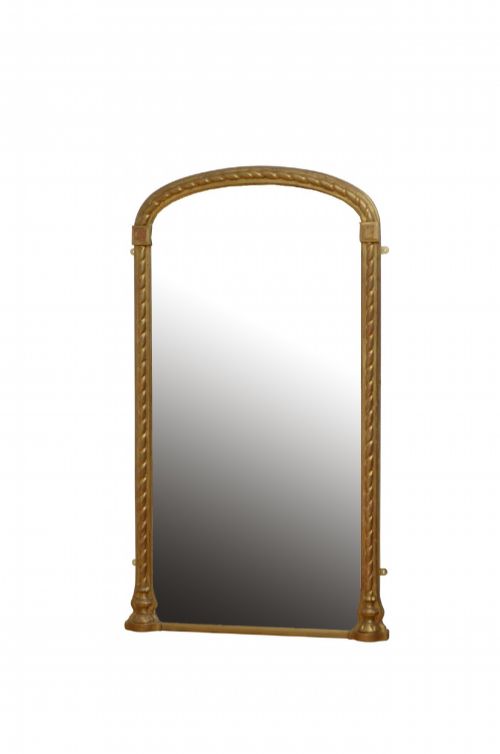

Arched Floor Mirror
An arched floor mirror brings height and reflected light into a room, spanning nineteenth-century giltwood designs and French wall formats.
Arched Floor Mirror
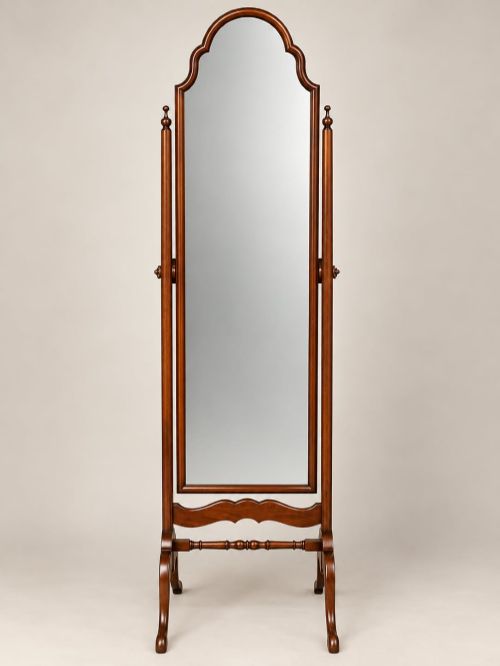
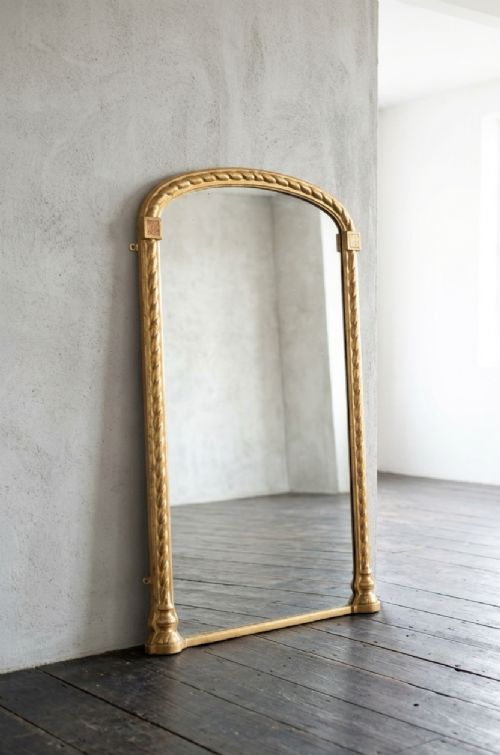
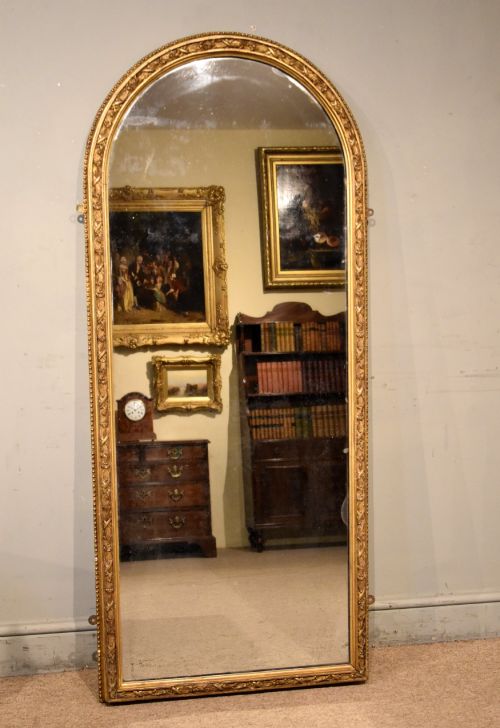
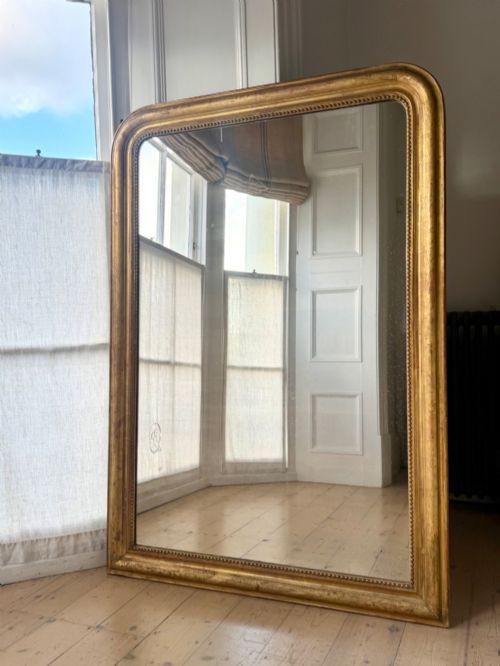
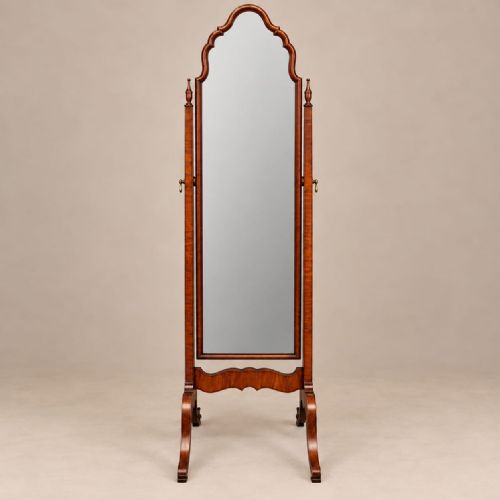
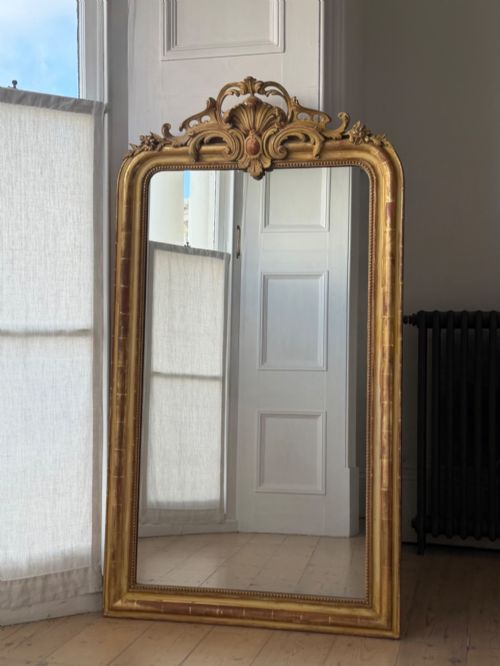
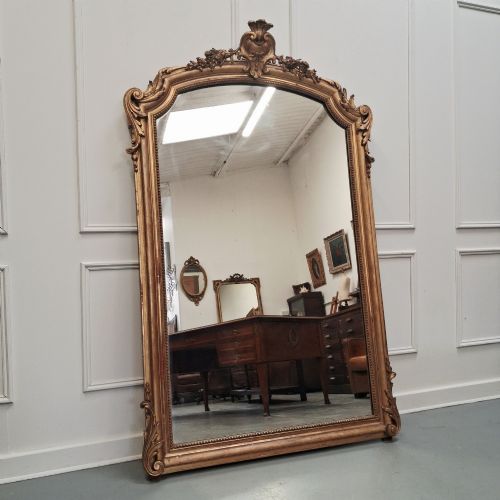
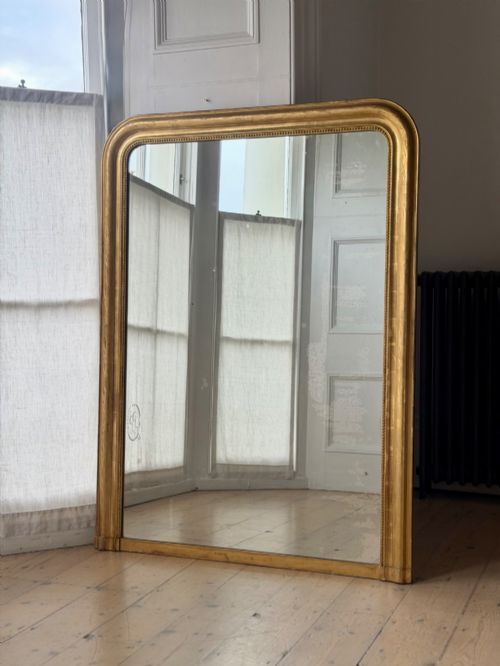
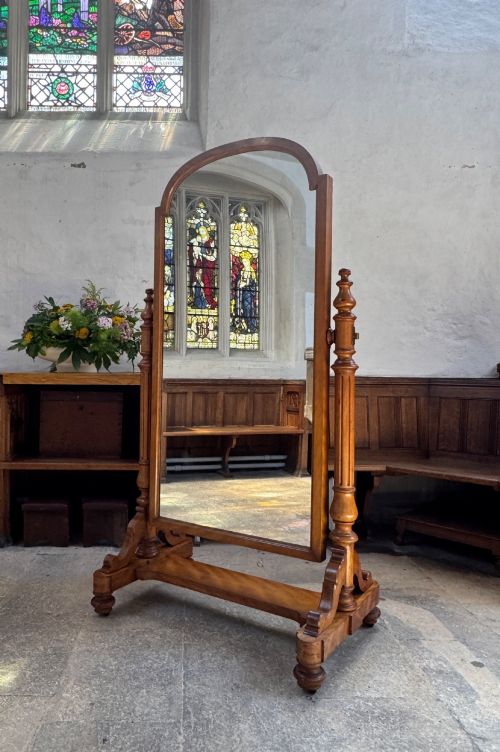
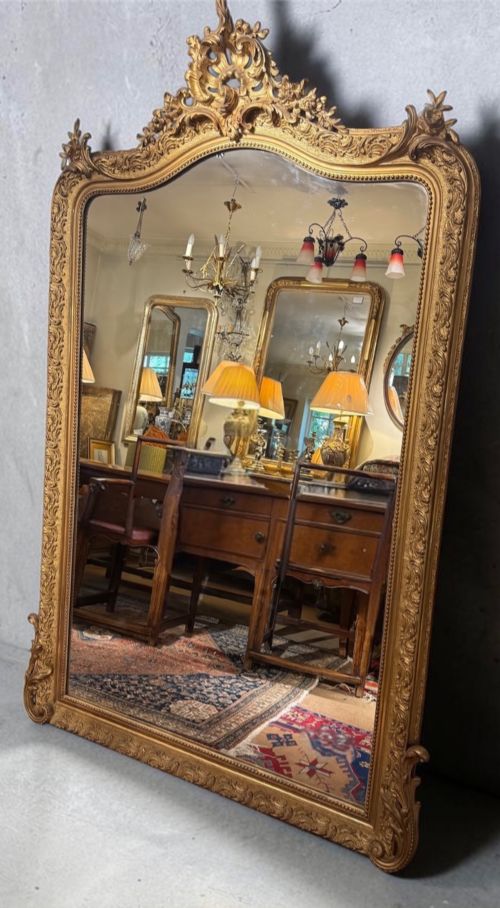
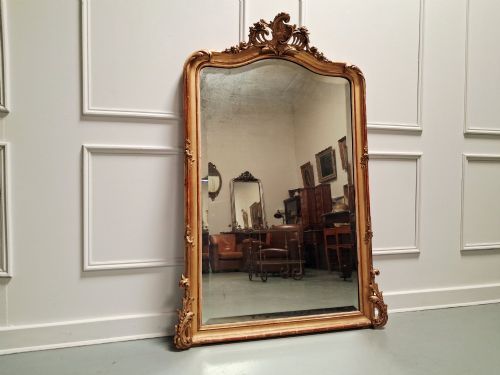
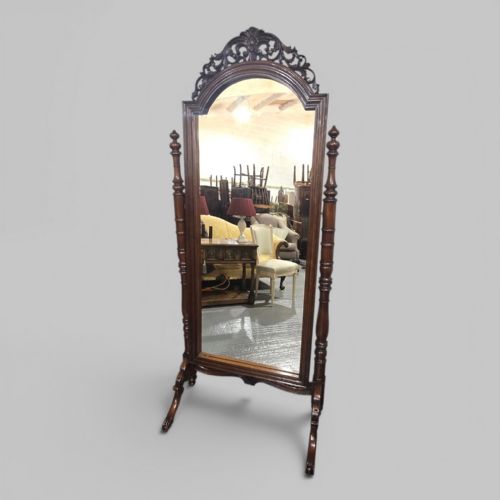
The arched floor mirror category spans tall nineteenth-century French Louis Philippe wall glasses, freestanding cheval mirrors in mahogany, and large English gesso overmantel pieces.
Buyers encounter substantial proportions intended for leaning against a wall, alongside pivoting dressing mirrors supported on wooden stands.
Origins stretch from English workshops to French provincial chateaus, utilising periods running from the Regency era into the early twentieth century.
Materials and construction
Carved wood frames provide the foundational structure, frequently enhanced with moulded gesso to build up intricate relief ornament.
Surface finishes rely on applied gold leaf, silvering, or traditional paint layers over the timber base.
Freestanding examples incorporate brass fittings and articulated candle holders, while leaner variants depend on robust timber construction to support tall glass plates.
Arched Floor Mirror Retail Price Guide 2026
Typical asking prices for arched floor mirror among the pieces listed under this phrase on Sellingantiques today, from the lower quarter to the upper quarter. They describe what is for sale here now, not the wider market.
Listings feature woods including mahogany, walnut, satin birch, and carved timber combined with gesso and brass.
Determinants of quality
Quality separates through the crispness of the hand-carved wooden ornament and the depth of the gesso moulding beneath the gilding or paint.
The clarity and weight of the original glass plate, together with the integrity of the frame joints, distinguish standard domestic items from exceptional grand pieces.
The Arched Floor Mirror Glossary
- Cheval mirror
- A freestanding full-length mirror hung on a vertical frame with pivots allowing it to tilt. It typically stands on four legs.
- Gesso
- A plaster mix applied to wood frames to create a smooth surface for carving or gilding. It allows for sharp relief decoration.
- Giltwood
- Timber coated with a thin layer of gold leaf or gold paint. This finish defines many formal nineteenth-century frames.
- Overmantel mirror
- A large glass designed to hang above a fireplace mantel. These often feature arched or shaped tops.
- Louis Philippe
- A mid-nineteenth-century French style characterised by restrained classical curves and simple arched upper corners.
Arched Floor Mirror: Frequently Asked Questions
How do I place an arched floor mirror?
Lean tall frames securely against a main wall to maximise reflected natural light and create an illusion of depth in a room.
Ensure the base rests firmly on the floor surface while the top anchors safely to the wall structure for stability.
What is a cheval mirror?
A cheval mirror is a freestanding dressing glass suspended on a pivoting frame between two upright pillars.
This design allows the user to tilt the glass angle freely while dressing.
Are these mirrors heavy?
Solid wood frames combined with thick glass plates and gesso ornament create substantial weight across these large pieces.
Extra care is required during placement and transport.
How do I identify French Louis Philippe mirrors?
Louis Philippe mirrors typically display gentle arched tops with softened upper corners and restrained framing.
They rely on proportion rather than heavy carving for decorative effect.