

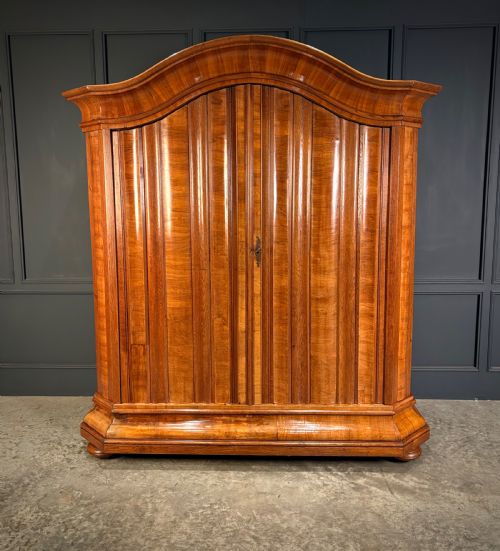



Arched Double Doors
Arched double doors bring grand architectural proportion and historic timber character to a room, offering an imposing entrance that completely transforms a wall.
Arched Double Doors
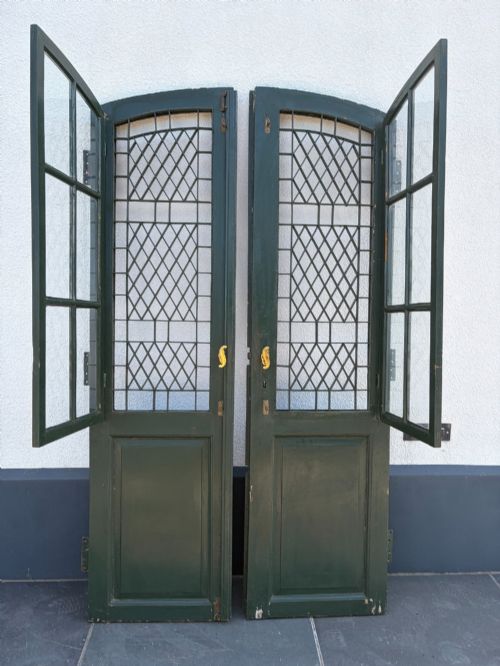
When you search for arched double doors, you encounter substantial architectural salvage and period joinery designed to divide spaces or form grand entryways. The examples met on this page range from early timber chapel openings to painted French entries.
The periods represented stretch from the nineteenth century into the early twentieth century, incorporating sturdy pine and durable hardwoods. These structural pieces often feature high arched tops that soften the rigid geometry of standard doorways.
Materials and Construction
Joiners constructed these substantial doorways using robust timbers such as pine and walnut, chosen for structural stability and longevity. Frames relied on traditional mortise and tenon joinery to support the significant weight of double leaves.
Metal hardware played an essential role in daily function, incorporating heavy wrought ironwork and brass hinges or latches. Surfaces were often left natural to wax or paint, or finished with decorative lacquering depending on regional style.
Arched Double Doors Retail Price Guide 2026
Typical asking prices for arched double doors among the pieces listed under this phrase on Sellingantiques today, from the lower quarter to the upper quarter. They describe what is for sale here now, not the wider market.
Some chapel doors arrive with centuries of stubborn prayer marks still embedded in the timber.
Assessing Quality and Execution
The distinction between standard utility joinery and superior work lies in the selection of timber and the precision of the arch curve. Heavier, dense woods and hand-forged ironwork indicate higher craftsmanship.
Proportion and scale dictate the visual success of the piece, with well-balanced panels and clean sightlines marking the better examples. Preservation of original surface treatments and hardware also elevates the integrity of the work.
The Arched Double Doors Glossary
- Architectural salvage
- Building elements rescued from older structures for reuse in modern interiors. This includes doors, panels, and ironwork.
- Mortise and tenon
- A traditional woodworking joint where a projecting tongue fits snugly into a corresponding cavity. This method ensures lasting structural strength.
- Wrought iron
- Iron shaped by heating and hammering by hand. It provides durable and decorative hardware for period doors.
- Pine
- A common softwood utilised for historical joinery and furniture. It accepts paint and wax finishes readily.
Arched Double Doors: Frequently Asked Questions
How do I install heavy arched doors?
Hanging heavy timber doors requires robust structural support and heavy-duty hinges capable of taking significant weight. Professional installation ensures the frame remains square and the leaves swing freely without dropping.
Alignment is critical with arched openings because any shift in the wall can throw off the curve at the top. Secure fixing into primary studs or masonry guarantees safe daily use.
Can exterior doors be used inside?
Using exterior salvage doors indoors creates striking room dividers or wardrobe fronts. Weathered timber adds texture and historical depth to modern residential spaces.
Modification may be necessary to fit standard interior door frames and floor clearances. Trimming should be done carefully to preserve the original proportions of the lower rails.
How should I clean historic pine?
Cleaning historic pine requires gentle methods that preserve the patina and original surface wax. Soft cloths and mild soap solutions remove surface dust without stripping the wood.
Avoid soaking the timber or using harsh chemical solvents that damage older finishes. Applying a fresh coat of natural wax afterwards helps protect the grain.
What defines the French style?
French country and provincial doors often feature lighter timber frames and softer painted finishes. These designs prioritise domestic warmth and elegance over rigid formality.
Glazed panels or elaborate curved top rails frequently appear in these Continental examples. They bring a distinct lightness compared to heavier domestic joinery.