
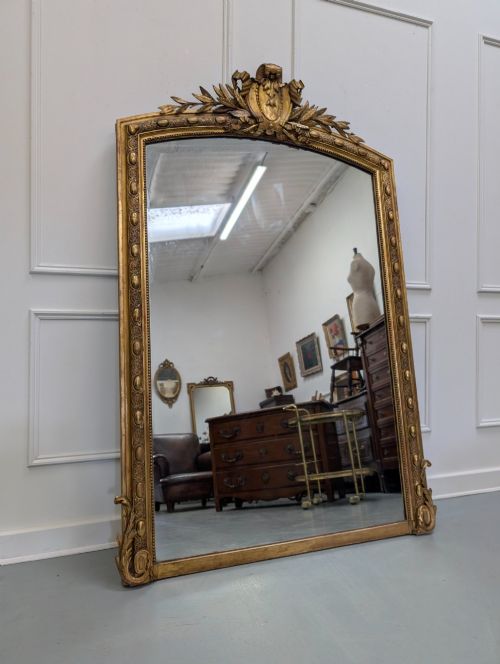
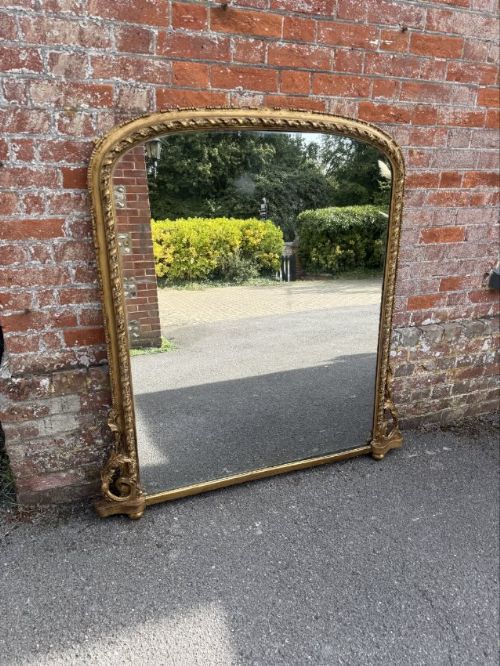
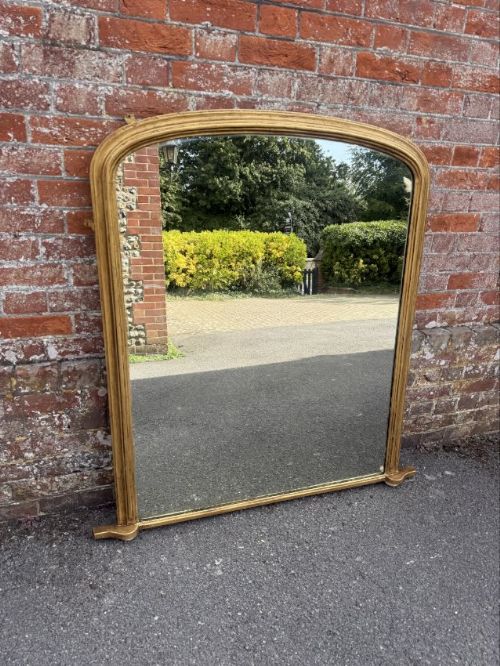
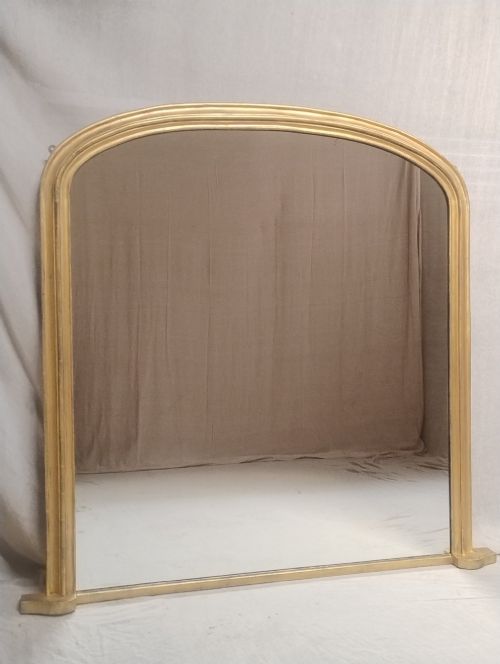
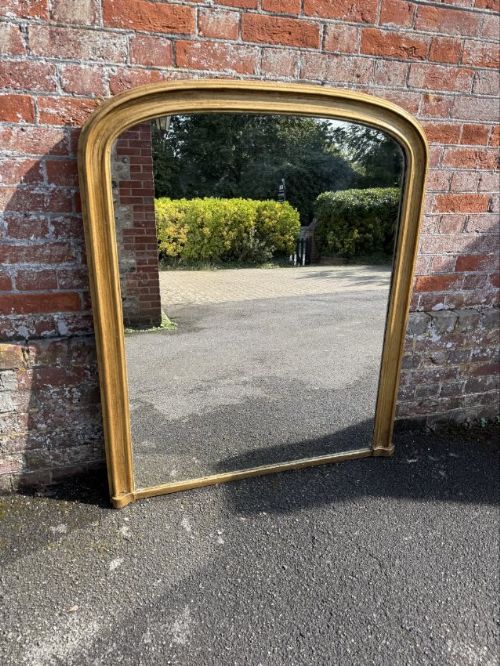
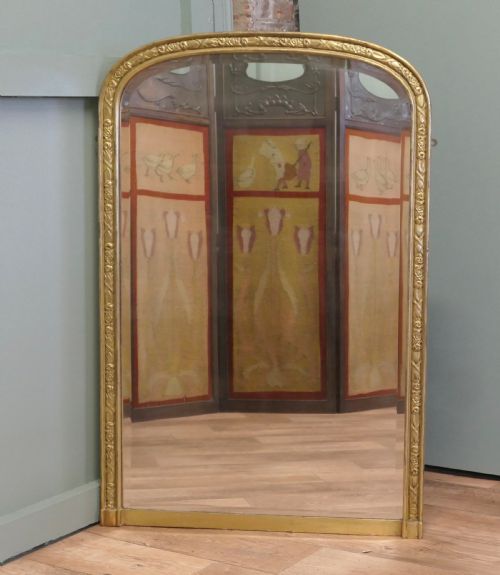

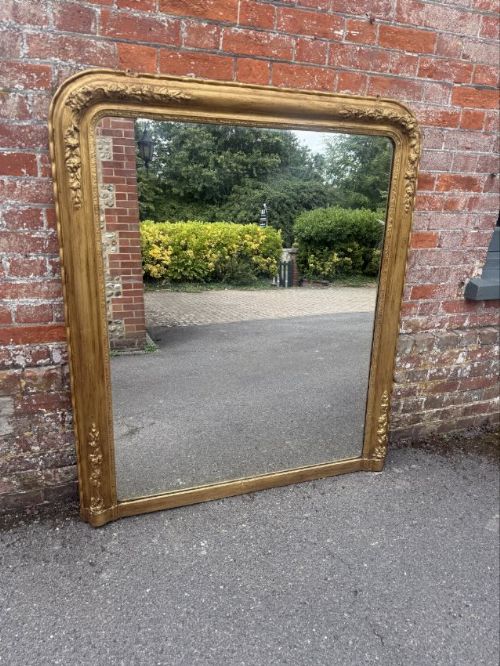
Arch Top Overmantel
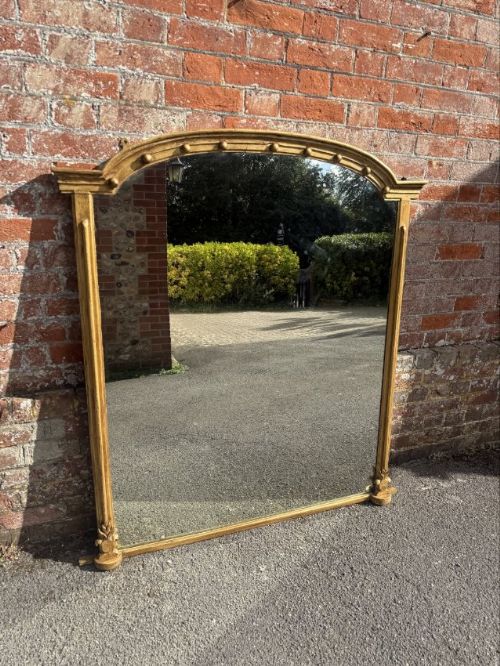
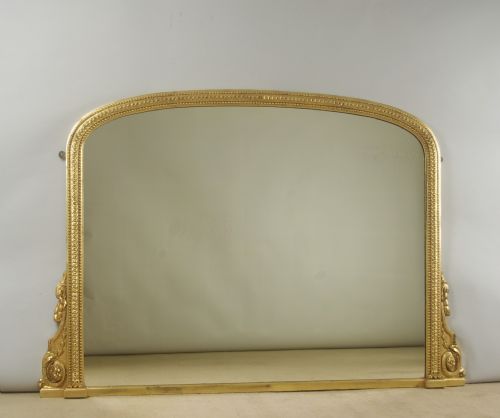
When searching for an arch top overmantel, you are looking at substantial wall mirrors designed to sit above fireplace openings.
Arch Top Overmantel
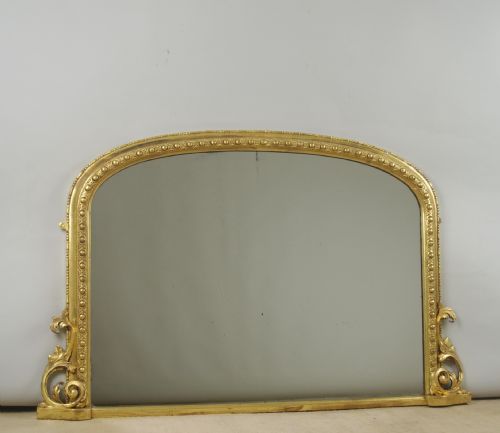
An arch top overmantel is a large wall mirror traditionally hung above a domestic fireplace to reflect light and fill the vertical space of a chimney breast. The format emerged strongly during the nineteenth century, encompassing both English Victorian examples and French regional pieces.
Most items found within this category date from the Victorian era and the mid to late nineteenth century, though earlier Georgian and Regency influences appear in the design vocabulary. The primary function remains decorative and spatial, designed to anchor a principal room.
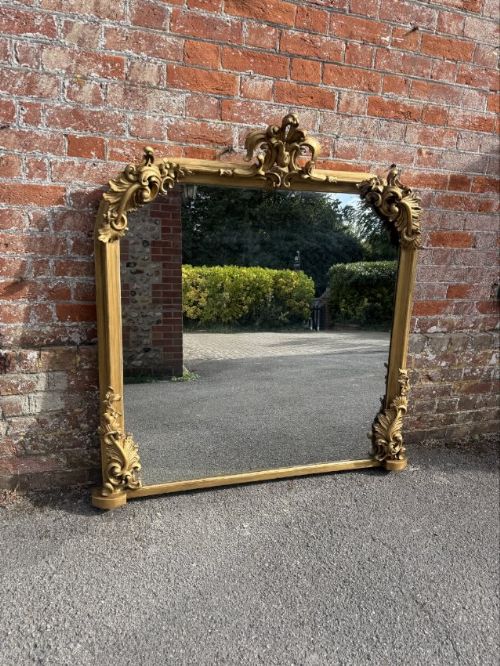
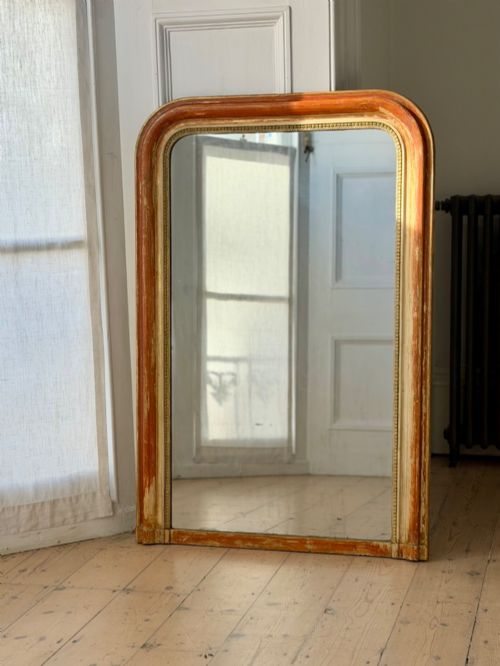
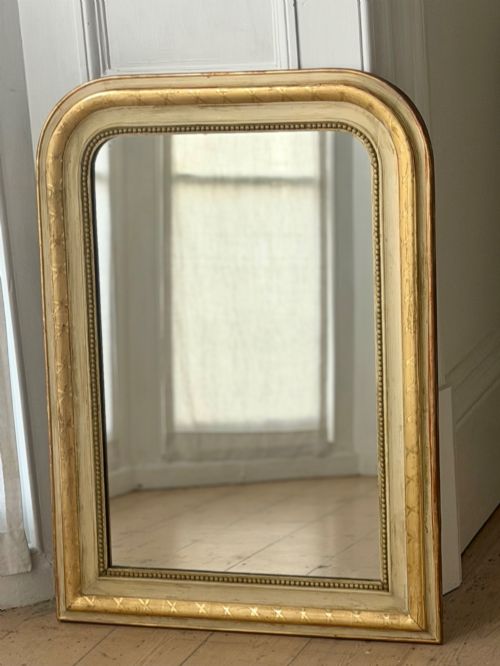
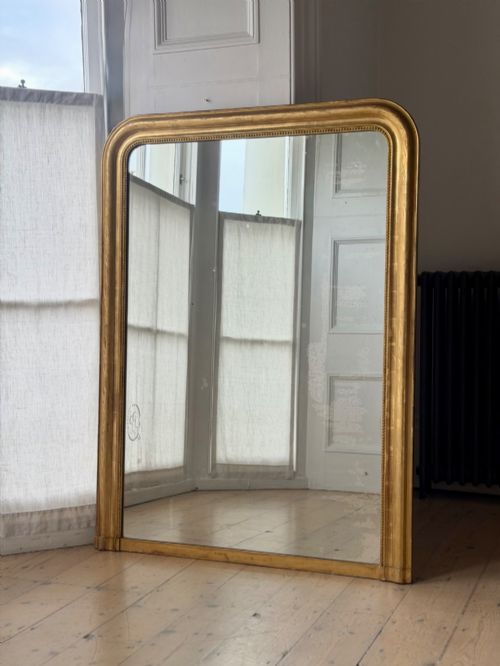
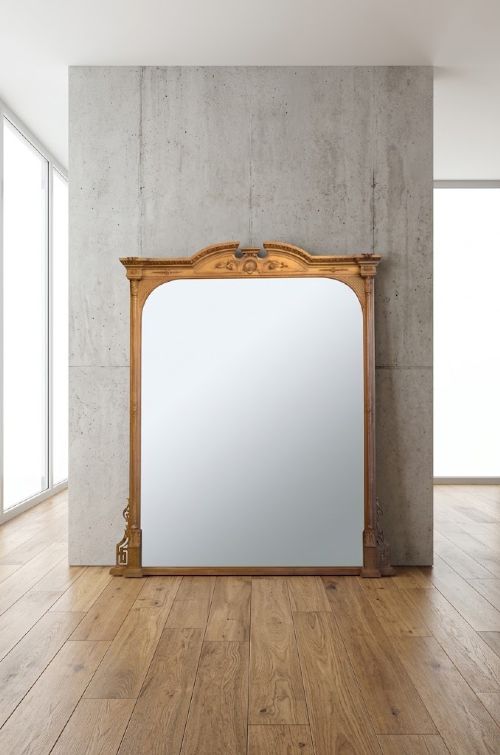
Forms range from wide landscape mirrors intended for large hearths to taller, narrower pier mirrors. Regional variations include the restrained curved shoulders typical of French Louis Philippe designs alongside heavily ornamented English carved wood and gesso frames.
How they were made
Makers constructed the foundational frames using timber, frequently layering composition or gesso over carved wood to build up intricate surface relief. This composite material allowed craftsmen to execute complex rope twist, tulip, and scrolling foliate motifs before applying finishes.
Gilding was achieved using gold leaf applied over bole, while other workshops opted for painted or parcel-silvered surfaces. Mirror plates were set into the rebated frames, utilising mercury glass in earlier periods before industrial silvering methods became standard.
Listings span the Victorian era alongside nineteenth-century French and Georgian periods, utilising giltwood, gesso, and original mirror glass.
What varies in quality
The distinction between ordinary and superior examples lies in the crispness of the hand-carved wooden details versus mass-moulded composition ornament. High-grade frames display deep, sharp profiling along the arched moulding and well-defined corner joints.
Original surface treatments preserve the integrity of the piece, where patinated gold leaf or authentic historic paint finishes have not been subjected to unsympathetic modern overgilding. The quality of the underlying mirror glass plate, including age-related foxing, contributes significantly to character.
The Arch Top Overmantel Glossary
- Overmantel mirror
- A large mirror specifically proportioned to hang on the wall directly above a mantelpiece. These pieces often feature horizontal or arched formats designed to complement the width of the fireplace surround.
- Gesso
- A plaster-like mixture applied to a wooden frame to create a smooth surface for gilding or painting. Artisans could carve and stamp this material once semi-set to produce elaborate decorative reliefs.
- Louis Philippe
- A mid-nineteenth-century French style characterised by a subtle, restrained arch top and simple beaded or rounded framing. These mirrors offer a cleaner aesthetic compared to heavily carved rococo revival pieces.
- Foxing
- Age-related spots and discolouration appearing within the silvered backing of historic mirror glass. This natural oxidation process is valued by collectors as proof of considerable age.
- Pier mirror
- A tall, narrow mirror designed to hang on the wall space between windows. Their elongated proportions often share stylistic traits with arch top overmantels.
Arch Top Overmantel: Frequently Asked Questions
Where should I hang an overmantel mirror?
These mirrors are traditionally positioned centrally above a fireplace mantelpiece to draw the eye upward and enhance room brightness.
They also function effectively on main reception room walls away from hearths when substantial vertical scale is required.
How do I distinguish French from English overmantels?
French examples often favour simpler Louis Philippe frames with gentle rounded upper corners and minimal ornamentation.
English Victorian pieces tend to feature heavier carved wood and gesso construction with pronounced architectural moulding.
What does foxed glass mean?
Foxed glass refers to the natural speckling and dark spots that develop behind the mirror plate over many decades.
This chemical ageing of the silvering indicates genuine antiquity rather than modern reproduction.
Can these mirrors be supported by the mantelpiece?
While historic overmantels were sometimes rested directly on the shelf while secured to the wall, modern safety standards dictate proper wall hanging brackets.
Given the considerable weight of timber, gesso, and thick glass, professional wall anchoring is essential.