



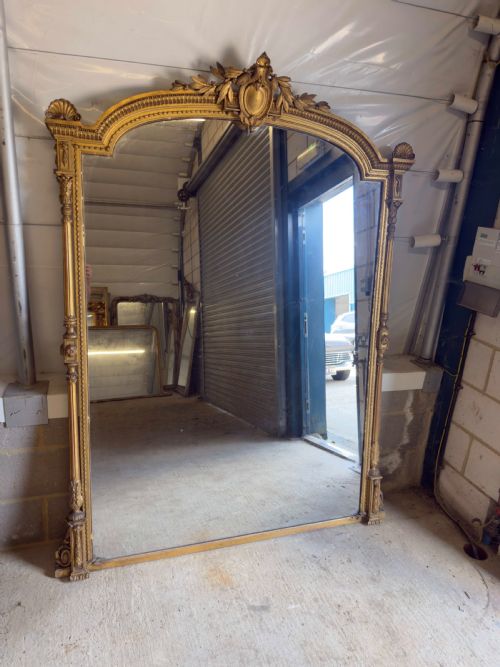
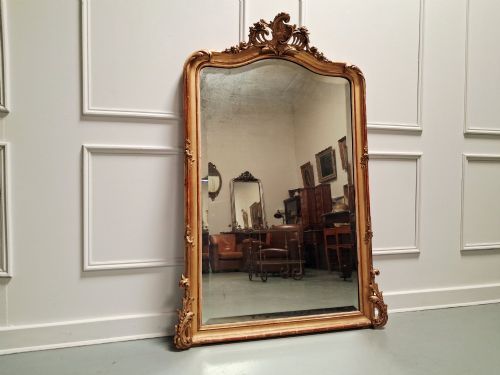
Arch Top Mantel Mirror
An arch top mantel mirror brings height and a strong architectural silhouette to a room, reflecting light from a grand nineteenth-century lineage.
Arch Top Mantel Mirror
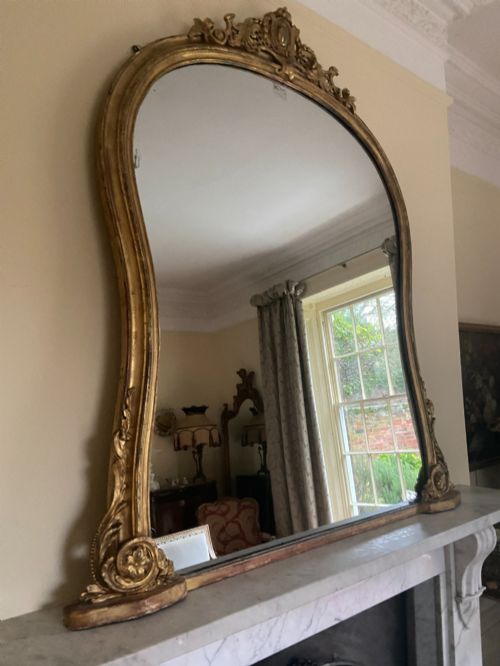
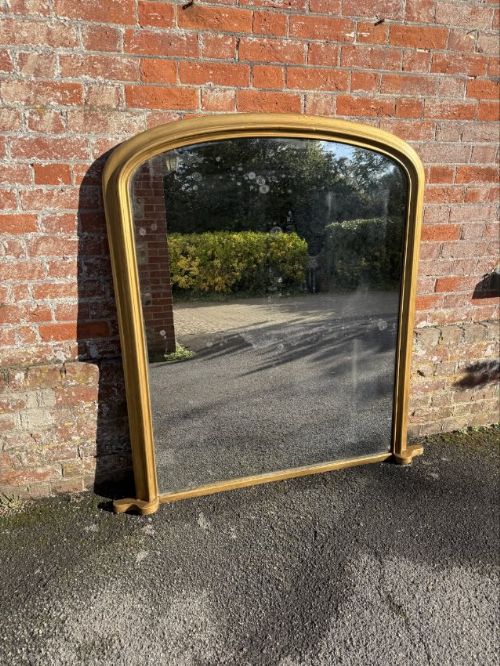
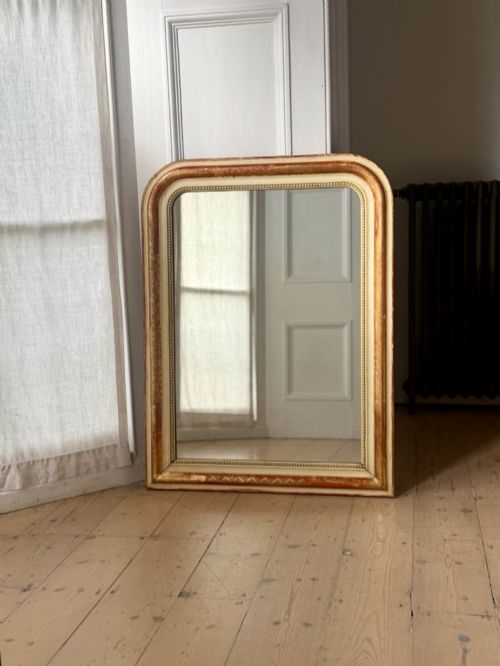
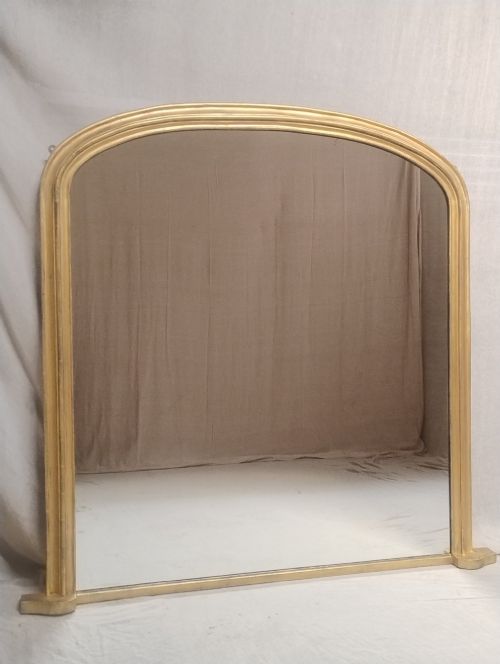
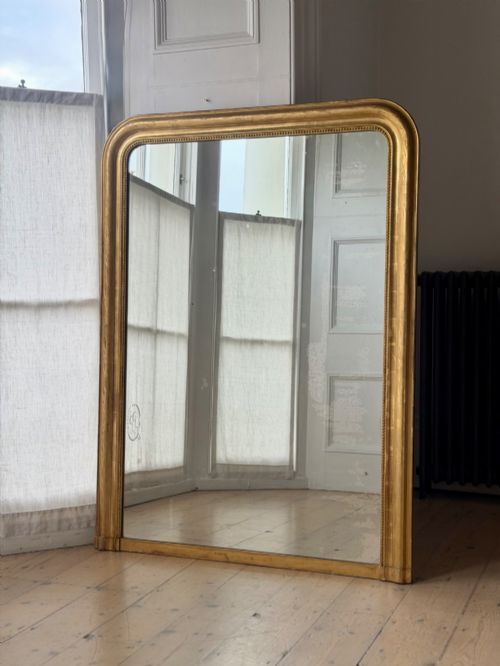
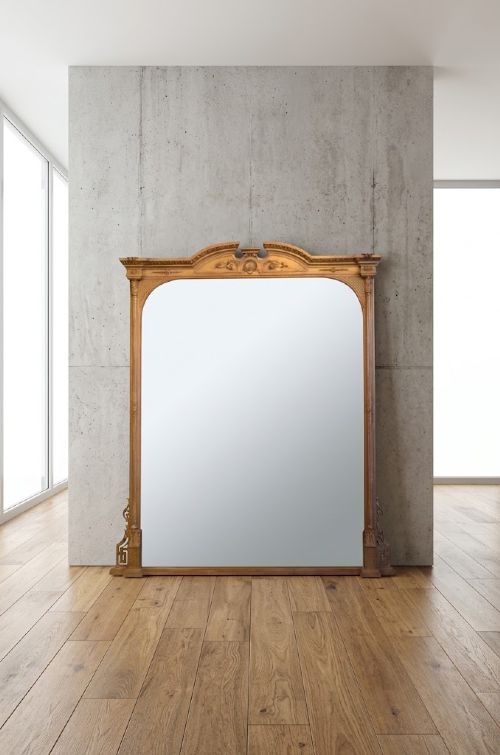
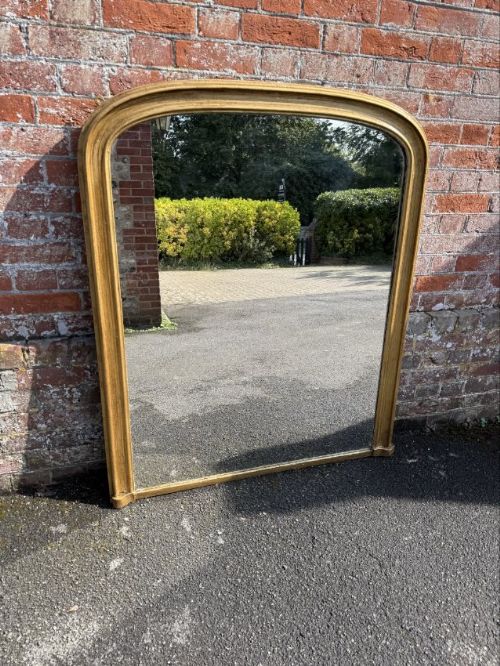
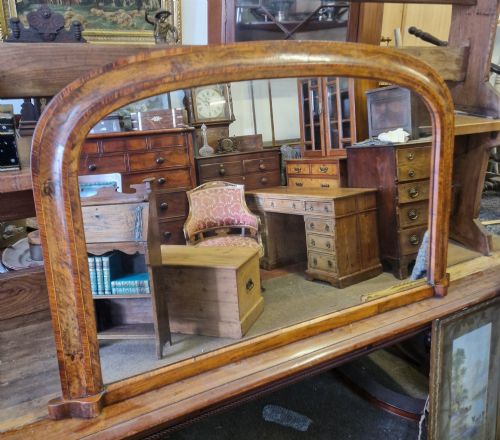
The arch top mantel mirror category encompasses large wall-hung and fireplace-mounted looking glasses originating primarily from the nineteenth century, including Victorian English examples and French pieces in styles such as Louis Philippe and Rococo Revival. Most items encountered in this selection function as overmantels designed to sit directly above a hearth, while others serve as tall pier or console mirrors.
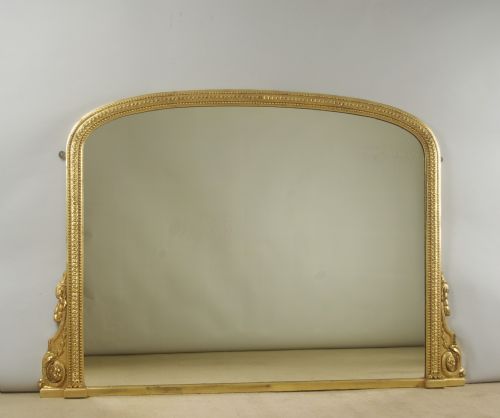
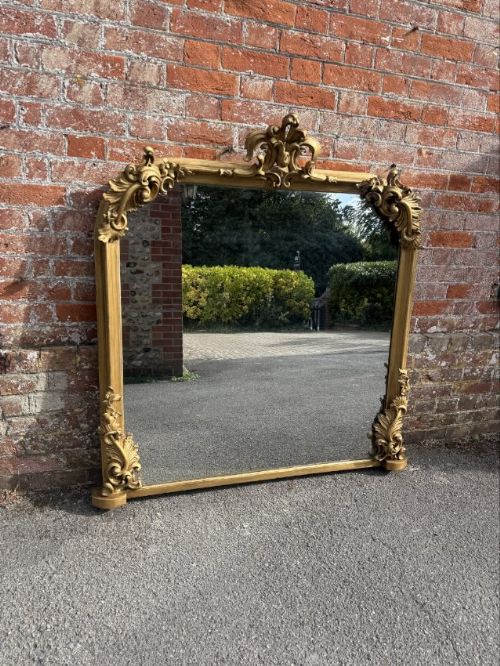
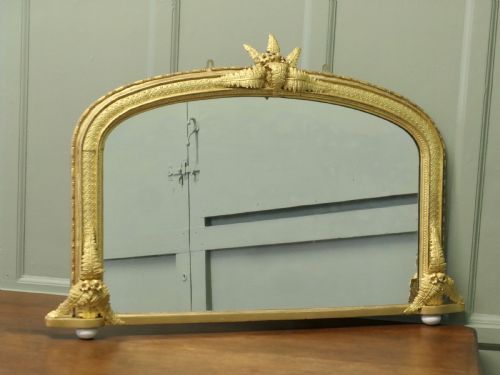
Makers and craftsmen of the period constructed these architectural frames to command domestic interiors, utilising generous proportions that frequently reach substantial heights. Pieces range from restrained rectangular profiles with rounded upper arches to elaborate formats adorned with central cartouches and ornamental crestings.
Materials and Construction
Frames are predominantly formed from carved wood and layered gesso, providing a smooth base for subsequent gilding with gold leaf or application of paint, parcel-silvering, and ebonisation. Walnut also appears as a primary timber for unpainted or dark-finished mouldings.
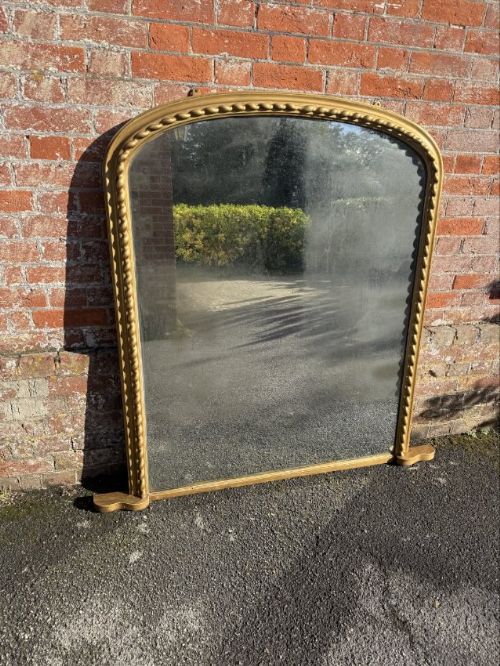
Glaziers set mirror glass directly into the rebated frames, sometimes incorporating rope twist details, tulip carvings, or ribbed wooden profiles to add surface texture and visual depth to the overall design.
Arch Top Mantel Mirror Retail Price Guide 2026
Typical asking prices for arch top mantel mirror among the pieces listed under this phrase on Sellingantiques today, from the lower quarter to the upper quarter. They describe what is for sale here now, not the wider market.
Several mirrors retain the original handwritten chalk inscriptions on their timber backs, left by nineteenth-century workshop artisans.
Evaluating Quality
Quality manifests in the crispness and depth of the wood carving, particularly around the apex of the arch and any applied crests or central cartouches. Superior examples exhibit fine hand-carved detailing rather than heavy, indistinct composition ornamentation.
The finish also dictates standard, with original giltwood retaining proper burnishing and tone, while painted versions show deliberate layering and ageing rather than flat, modern commercial applications.
The Arch Top Mantel Mirror Glossary
- Gesso
- A plaster-like mixture applied to carved wooden frames to create a smooth surface for gilding or painting. It provides the crisp sculptural relief seen on Victorian mouldings.
- Giltwood
- Timber that has been decorated with gold leaf applied over a prepared ground. This material catches ambient light effectively in formal reception rooms.
- Overmantel Mirror
- A large mirror specifically proportioned to hang on the wall directly above a fireplace mantelpiece. These pieces often anchor the decorative scheme of a nineteenth-century room.
- Cartouche
- An ornamental tablet or frame resembling a rolled-up piece of paper, frequently placed at the apex of mirror frames. It adds a sculptural focal point to French and English revival designs.
- Parcel-Gilt
- A decorating technique where only specific raised portions or carved details of a painted or ebonised frame are highlighted with gold leaf.
Arch Top Mantel Mirror: Frequently Asked Questions
How do I hang an overmantel mirror safely?
These large nineteenth-century pieces require secure fixings into structural wall studs or masonry rather than standard plasterboard hooks. Due to the substantial weight of the timber and glass, professional mirror plates and weight-rated fixings are essential.
Position the base so it rests securely either directly on the mantel shelf or firmly against wall anchors designed to bear the full vertical load without placing strain on the antique frame joints.
Are these mirrors suitable for modern interiors?
The grand scale and arched silhouette of these frames make them effective focal points above modern fireplaces or low sideboards. Their reflective glass amplifies natural daylight and creates an illusion of increased room depth.
Contrasting the ornate giltwood or painted Victorian frames against minimalist contemporary walls allows the historical craftsmanship to stand out clearly.
How do I distinguish French from English styles?
English examples from the nineteenth century often display more restrained architectural lines, sometimes incorporating rope twist or classical mouldings. They frequently follow strict Victorian proportions suited to smaller domestic hearths.
French pieces, including Louis Philippe and Rococo styles, tend to feature softer shoulders, asymmetrical crests, or more exuberant decorative carving like central cartouches and floral motifs.
How should I clean the antique frame and glass?
Dust the carved wood and gesso frame gently with a dry, soft-bristled brush to protect delicate gilt or painted surfaces from moisture damage. Avoid modern chemical polishes that can strip original finishes.
Use a minimal amount of glass cleaner applied directly to a cloth rather than the mirror plate, ensuring liquid does not seep behind the historic silvering edges.