
Antiques
These antiques span centuries of craftsmanship, offering seasoned collectors and new buyers durable materials and enduring period styles.
Antiques
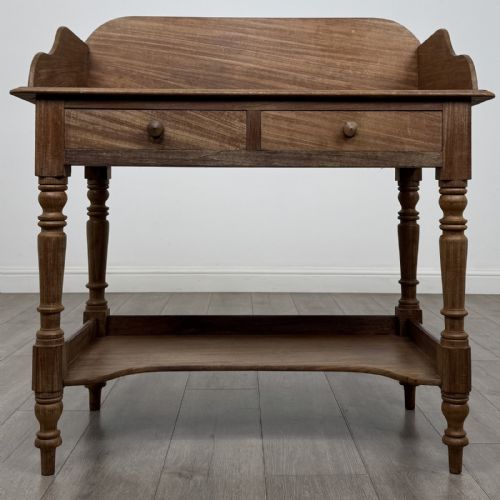
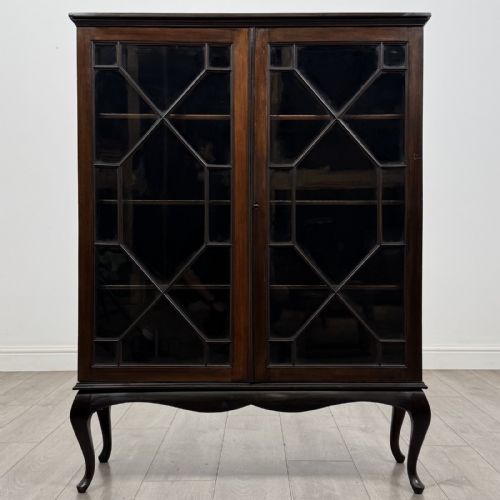
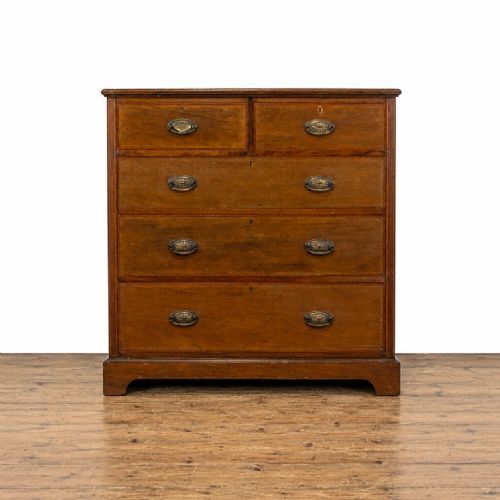
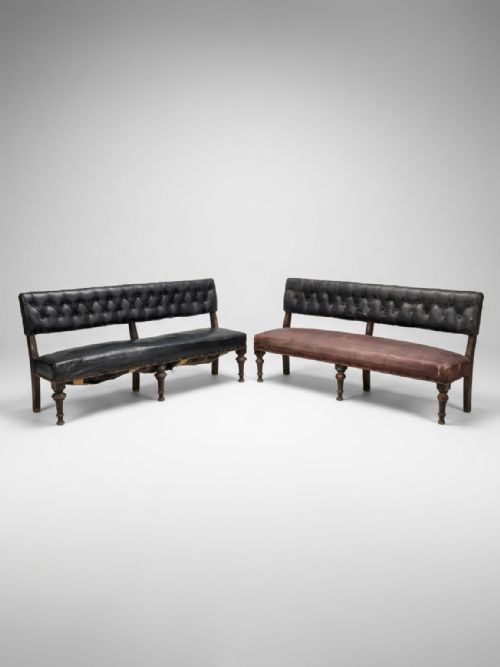
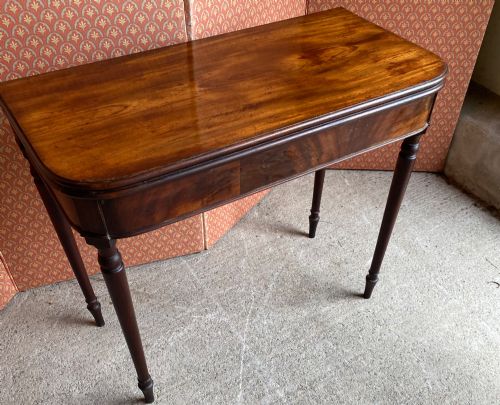
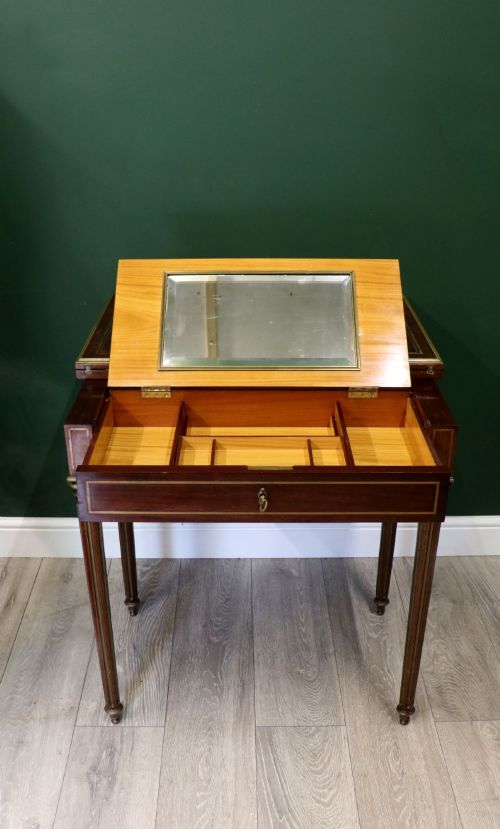
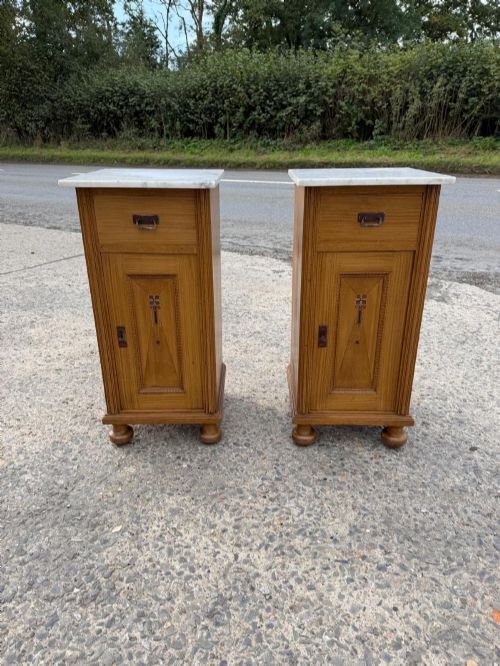
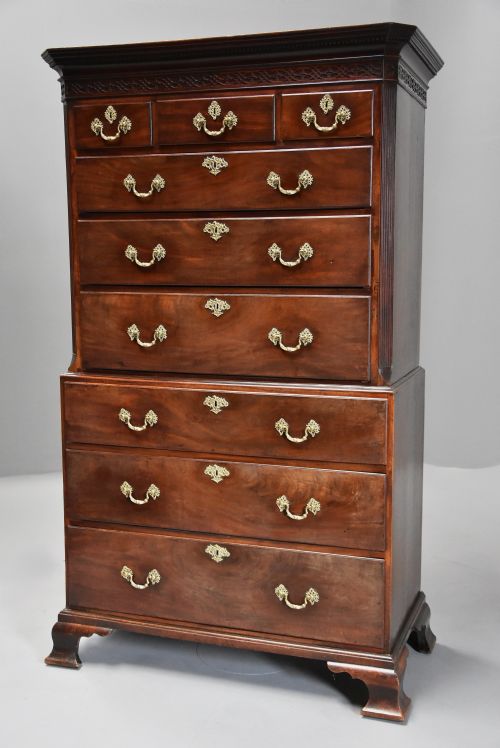
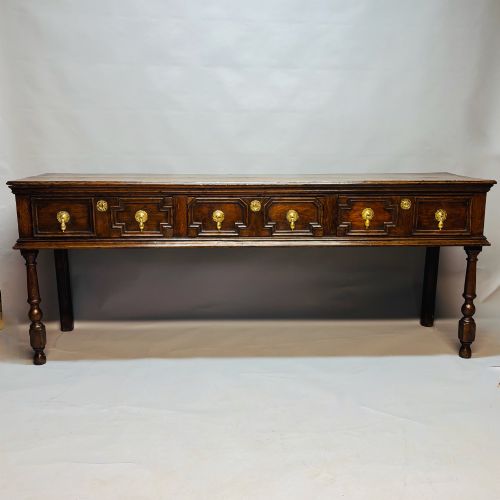
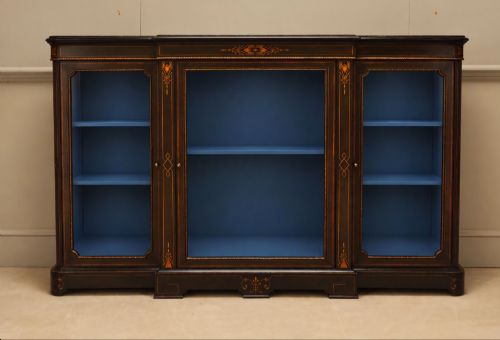
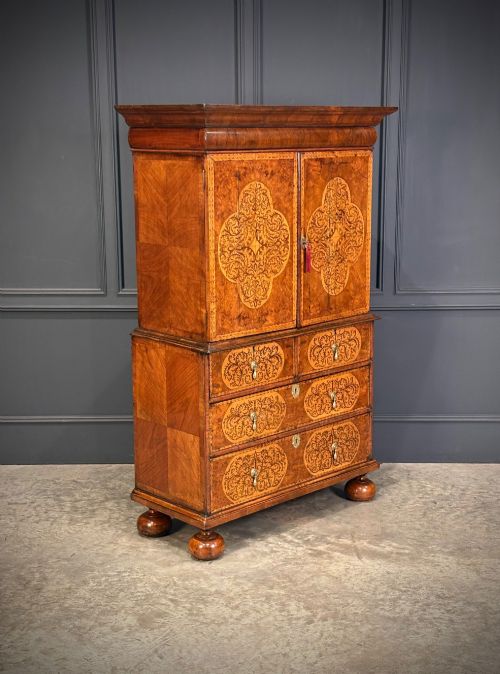
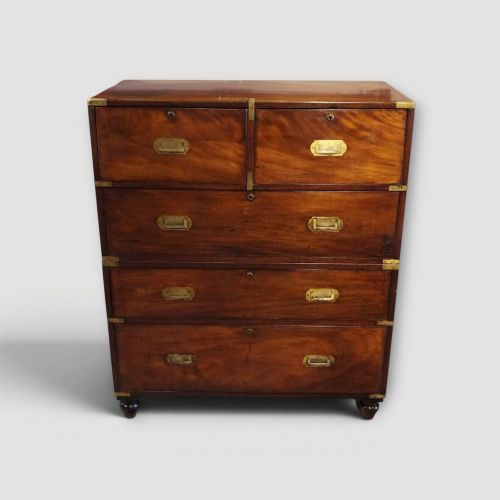
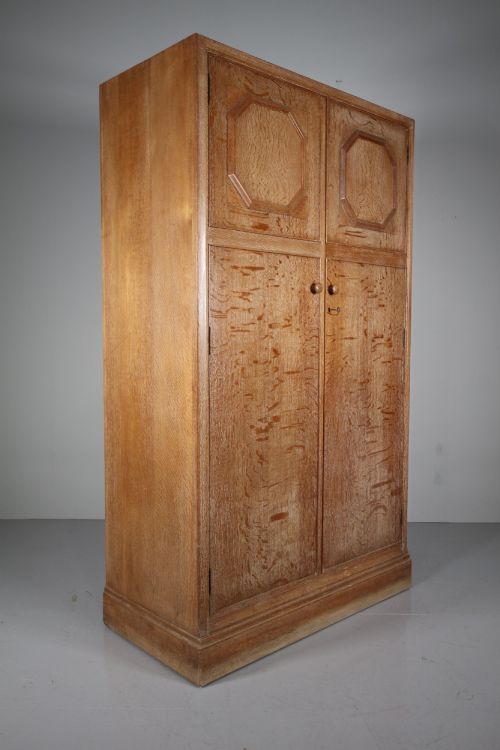
When searching for antiques, buyers encounter a diverse range of furniture and decorative objects originating from Georgian, Victorian, Edwardian, and Regency periods, alongside pieces from the early twentieth century. The selection includes large dining tables, seating, storage cabinets, and smaller decorative items such as tea caddies and mirrors.
Oak and mahogany pieces dominate the inventory, accompanied by walnut, burr walnut, pine, cherry wood, and brass. French and English origins appear frequently, spanning country house styles as well as urban workshops.
Materials and Construction
Cabinet makers utilised solid oak and flame mahogany for structural integrity and rich surface grain, often incorporating burr walnut for decorative veneer work on smaller chests and sideboards. Joinery relied on traditional methods suited to each period, from Georgian drawer construction to Edwardian framing.
Metal elements such as gilt brass, sterling silver with repousse work, and salt glaze ceramics demonstrate specialised craft techniques. Mirrors and signage incorporate carved wood, glass, and enamel alongside traditional framing.
The listings encompass items spanning the Georgian, Regency, Victorian, Edwardian, and Art Deco periods, executed in oak, mahogany, walnut, brass, and glass.
Assessing Quality
Quality rests upon the selection of timber and the precision of the initial construction, where choice cuts of mahogany or burr walnut indicate higher workshop standards. Original surface patination and intact structural joinery distinguish superior examples from simpler utilitarian items.
Refinement in carving, hardware selection, and secondary woods reveal the distinction between standard production pieces and superior commissions. Detail in decorative metalwork and inlay further separates high-tier items within any period.
Jason and Joseph Kohn·Martin Hall and Co
The Antiques Glossary
- Demi lune
- A semicircular shape utilised in the design of side tables and cabinets. This form allows furniture to sit flush against a wall while providing surface area.
- Refractory
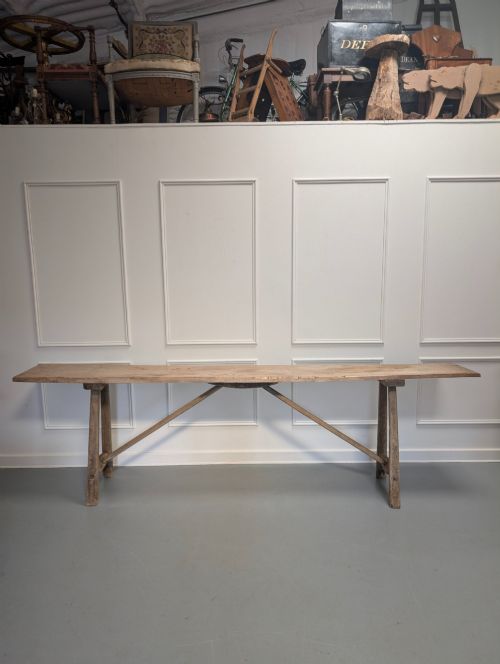
- A long, narrow dining table design historically used in monastic or large domestic dining halls. These heavy tables feature substantial timber construction and stretcher bases.
- Linen press
- A tall storage piece combining upper cupboard space for textiles with lower drawers. Georgian and Regency examples often display flame mahogany veneers.
- Repousse
- A metalworking technique where the artisan hammers the design from the reverse side to form a raised pattern. This appears on silver tea caddies and imported vessels.
- Overmantel
- A large mirror designed to hang above a fireplace mantelpiece. These frames frequently date from the Regency and Victorian eras.
Antiques: Frequently Asked Questions
How do I date an antique?
Dating relies on identifying characteristic period styles, construction methods, and materials recorded in the piece. Examining secondary timbers and joinery helps narrow down the decade of manufacture.
Comparing hardware and decorative motifs against known historical periods provides further confirmation of age.
How were oak farmhouse tables used?
These large refectory tables served daily domestic functions in kitchens and dining halls for food preparation and communal meals. Their sturdy construction accommodated heavy daily use over generations.
The thick plank tops and stretcher bases were built to withstand demanding household environments.
Where should I place a bow-front chest?
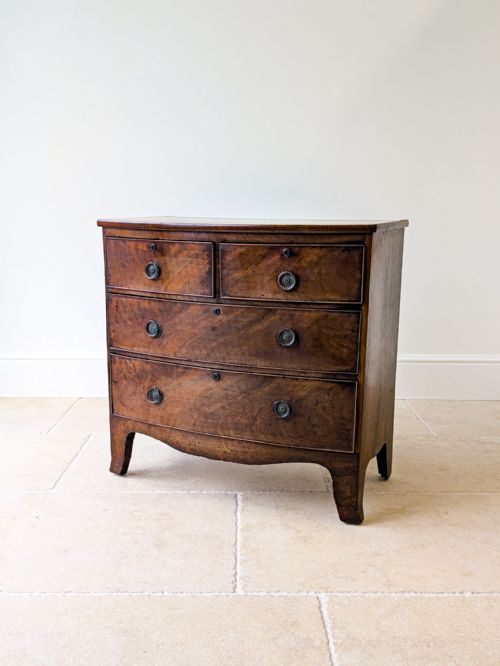
Bow-front chests suit bedrooms, hallways, or living spaces where a curved profile softens room geometry. Their compact footprint provides storage without dominating floor space.
Placing them away from direct sunlight preserves the grain and colour of mahogany or burr walnut veneers.
What defines Regency style?
Regency furniture draws inspiration from classical antiquity, featuring clean lines, flame mahogany veneers, and restrained brass mounts. Pieces from this era emphasise proportion and architectural form.
Side tables, linen presses, and mirrors from this period reflect a shift toward classical symmetry.