
Antique Yorkshire Art
Antique yorkshire art captures the landscapes, coastlines, and rural life of the county through oil paintings, watercolours, and early maps.
Antique Yorkshire Art
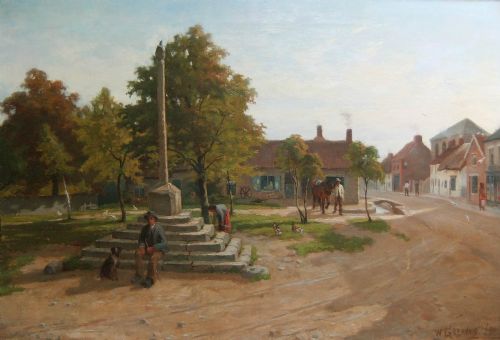
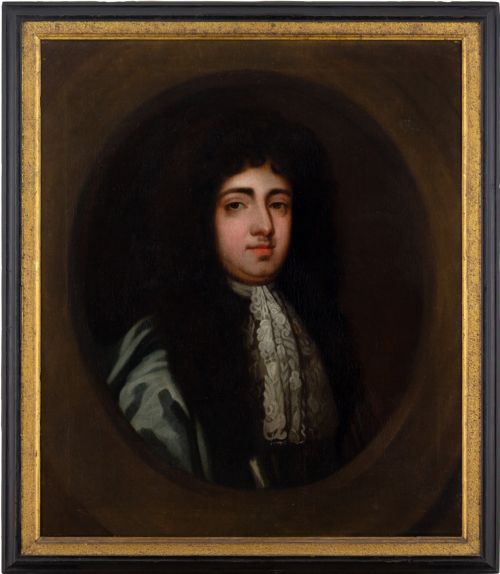
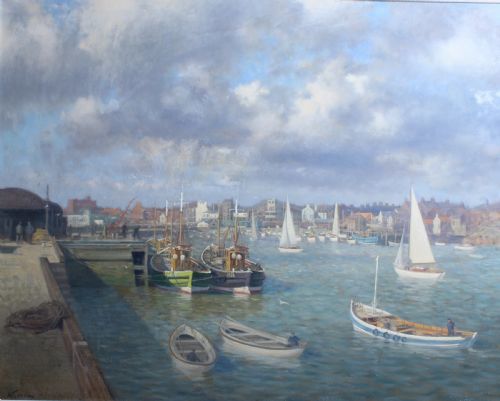
When you search for antique yorkshire art, you encounter a focused body of regional painting and cartography spanning from the late seventeenth century through the middle of the twentieth century. The selection is dominated by works on paper and canvas depicting recognizable local landmarks, dales, and fishing ports.
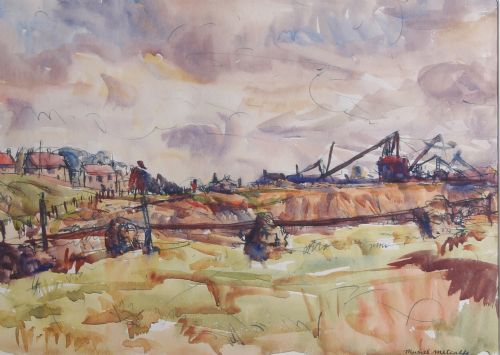
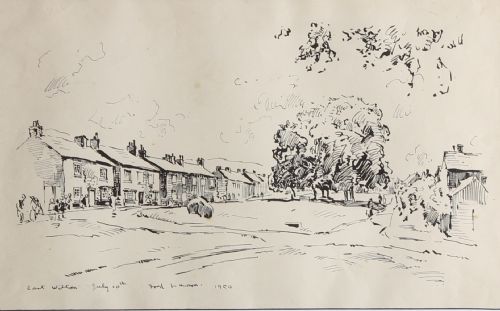
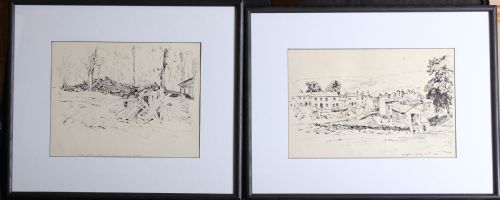
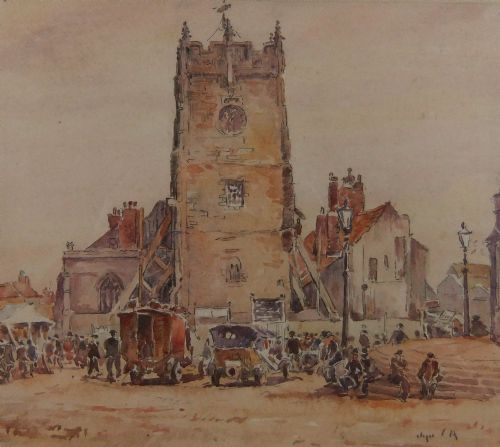
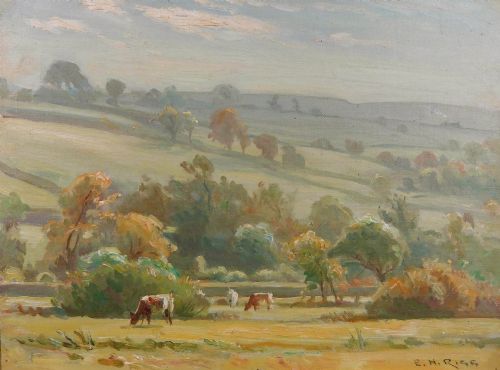
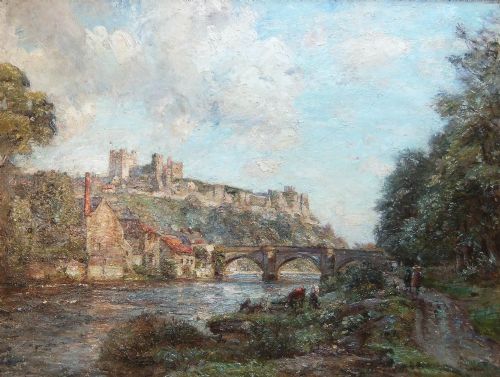
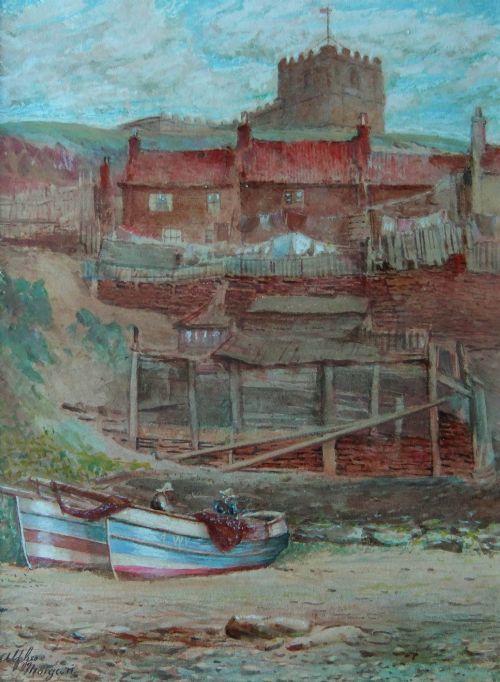
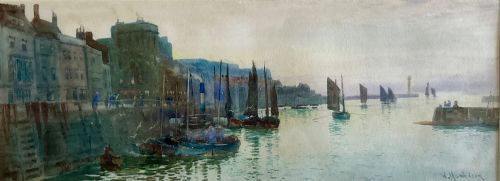
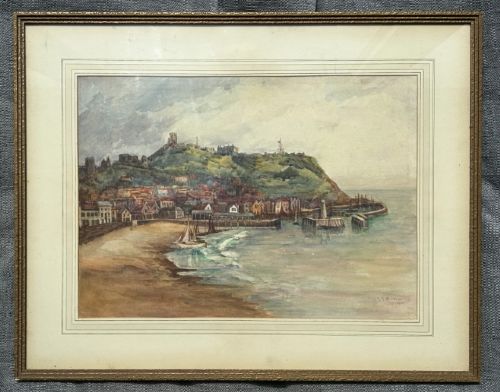
Watercolour paintings and oil paintings form the core of the available pieces, capturing scenes from Wharfedale, Wensleydale, and the North Yorkshire coast. Artists frequently recorded specific towns and villages, including Whitby, Staithes, Richmond, and Leeds.
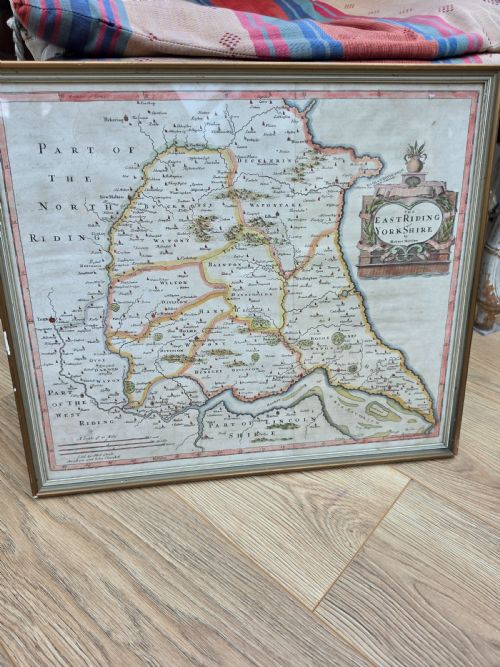
The material also extends to early engraved maps and architectural views of regional hubs like York and the East Riding. These works reflect the topographical interests of earlier centuries alongside the distinct landscape traditions of the region.
Evaluating individual pieces
Quality in these regional works rests primarily on the handling of light, atmosphere, and local topography by the artist. Stronger pieces demonstrate confident brushwork and precise topographical detail rather than formulaic composition.
The condition of the medium matters significantly, particularly with watercolours where paper toning, foxing, or fading can diminish the visual impact. Oil paintings retain higher quality when the canvas remains unlined and the paint surface shows minimal craquelure or past overpaint.
Provenance and documented artist attribution elevate certain works above anonymous regional pieces. Signed works by recognised figures associated with local art groups carry distinct advantages in historical record.
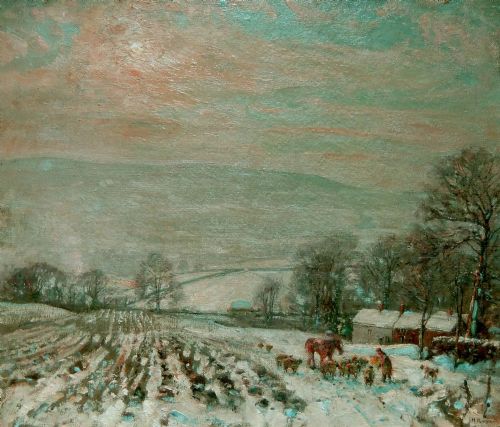
Even Yorkshire sheep found themselves immortalised in oil paint by artists who braved the upland winds.
Herbert Royle·Ernest Higgins Rigg·Alfred George Morgan·Fred Lawson·Owen Bowen
The Antique Yorkshire Art Glossary
- Watercolour
- A painting method in which the paints are made of pigments suspended in a water-based solution. It was widely utilised by artists recording fast-changing coastal weather.
- Staithes Group
- A loose association of artists inspired by the rugged coastline and fishing community of a specific Yorkshire village. Their paintings often employ impressionistic brushwork.
- Cartography
- The science or practice of drawing maps. Early examples include engraved plates detailing ridings and landmarks.
- Canvas
- Heavy woven fabric used as a surface for oil painting. It provides texture and durability for works executed on a larger scale.
Antique Yorkshire Art: Frequently Asked Questions
What subjects appear most frequently in antique yorkshire art?
The subjects concentrate heavily on rural dales, farming valleys, and coastal harbours along the North Sea. Views of local rivers, ruined abbeys, and moorland sheep farming recur across multiple decades.
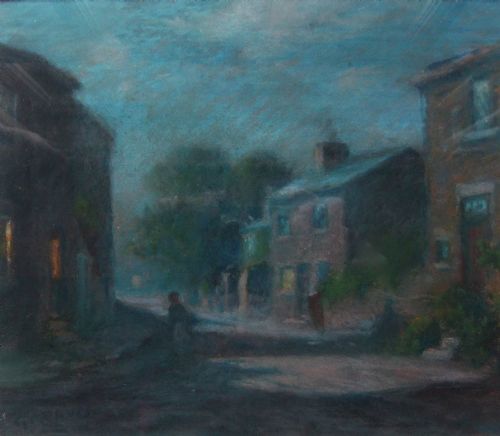
Artists also documented industrial settings, mills, and urban street views around Leeds and Bradford during the nineteenth and early twentieth centuries.
How do I identify a Staithes Group painting?
Paintings associated with this coastal community typically feature loose, impressionistic brushwork and an emphasis on outdoor light. They frequently depict local fisherfolk, harbour activities, and dramatic cliff formations.
Many examples are executed in oil or watercolour and bear the signatures of artists who lived or worked in the area during the early twentieth century.
Are maps included in this category?
Selected historical maps and architectural engravings of the region are found alongside original paintings. These printed works document county boundaries, cathedrals, and ridings from earlier centuries.
They offer a distinct perspective on the region compared to hand-painted watercolours and oils.
How should I care for antique watercolours?
Works on paper require protection from direct sunlight to prevent the fading of watercolour pigments and the yellowing of paper supports. Framing should utilise acid-free mounts to prevent chemical damage over time.
Maintaining stable indoor humidity levels prevents warping and deterioration of the paper surface.