


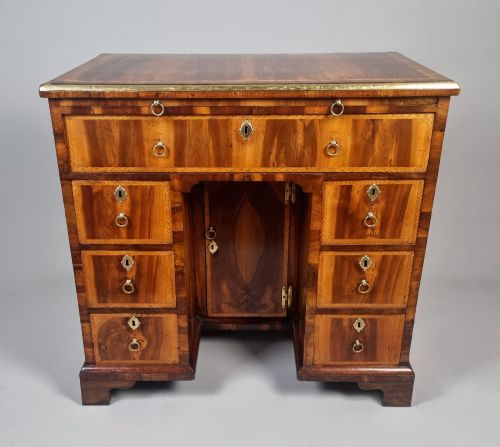
Antique Yew Desk
An antique yew desk brings distinctive native timber and rich figuring into a room, offering practical writing space built to last.
Antique Yew Desk
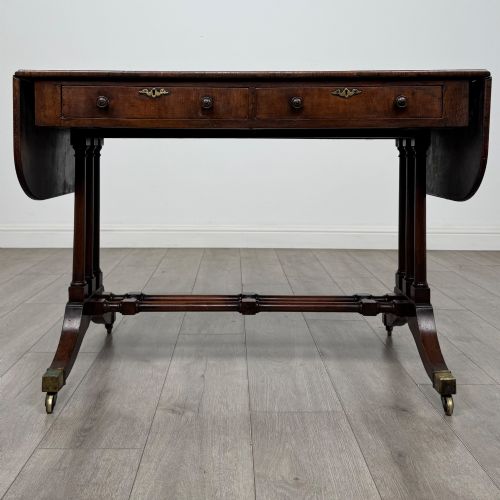
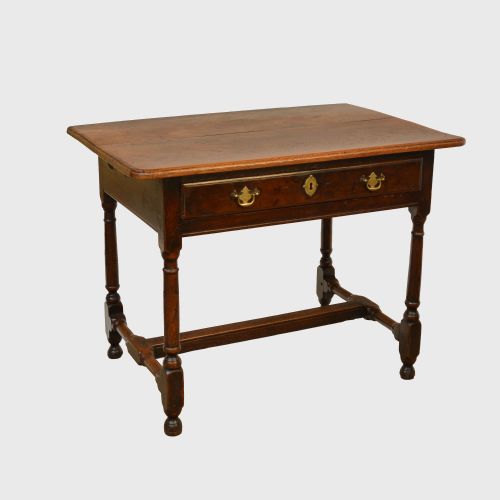
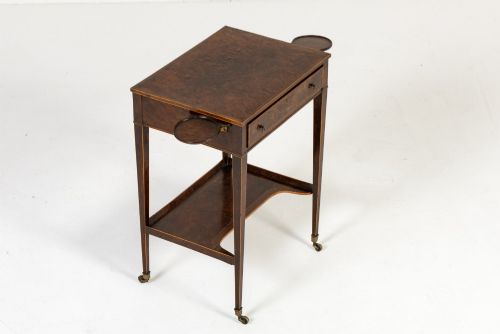
An antique yew desk encompasses forms designed for writing, storage, and study, ranging from compact writing tables and lowboys to bureau bookcases and davenports. Buyers seeking this phrase encounter pieces spanning the Georgian, Victorian, and Edwardian periods, executed in regional English country styles.
The material gives these desks their character, often combined with elm, oak, or beech in vernacular furniture traditions. While larger bureau bookcases and pedestal writing desks appear in archives, smaller writing tables and bureau forms predominate.
How they were made
Cabinet makers utilised native timbers, pairing yew wood and burr yew with secondary woods such as elm, ash, and beech for structural integrity. Brass fittings secure drawers and drop-fronts, while leather inserts frequently line the writing surfaces of tables.
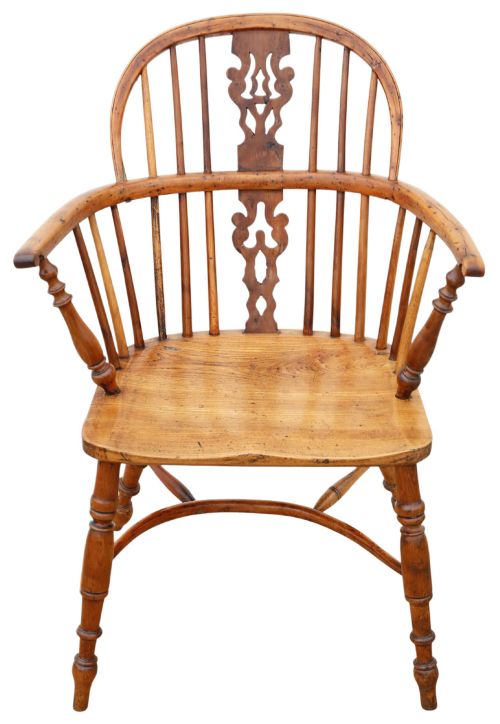
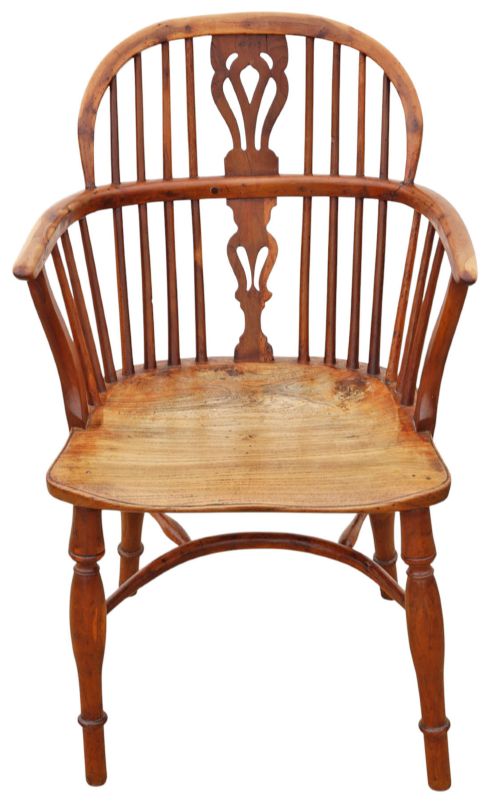
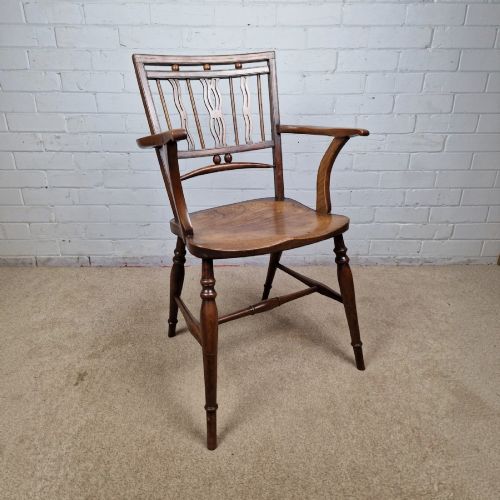
Joinery methods reflect regional English country workshop traditions, from dovetailed drawer construction to turned components in seating and table frames. The timber is chosen for its dense grain and striking patterning, requiring skilled planing and polishing to reveal the wood's natural lustre.
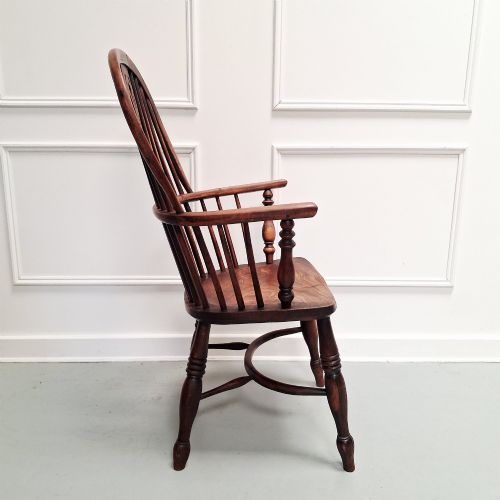
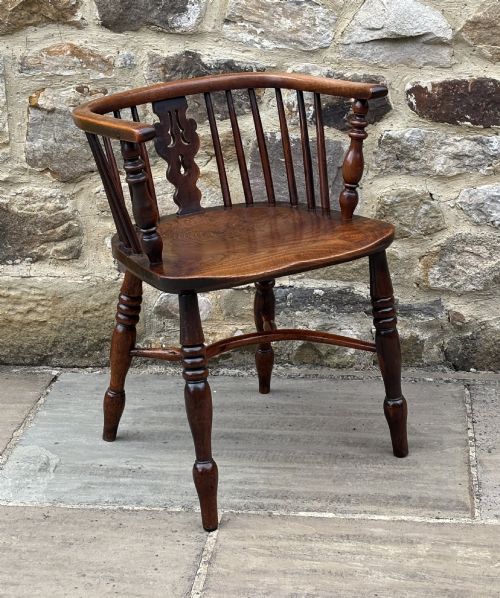
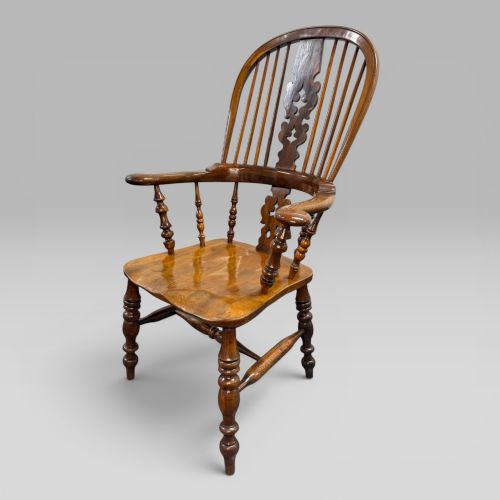
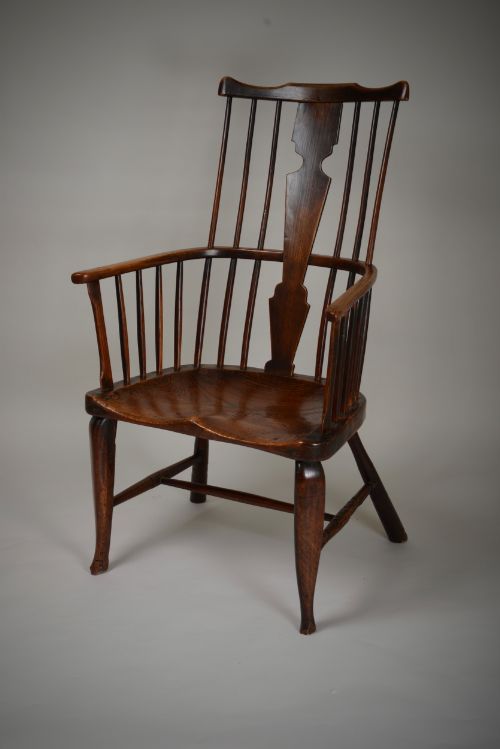
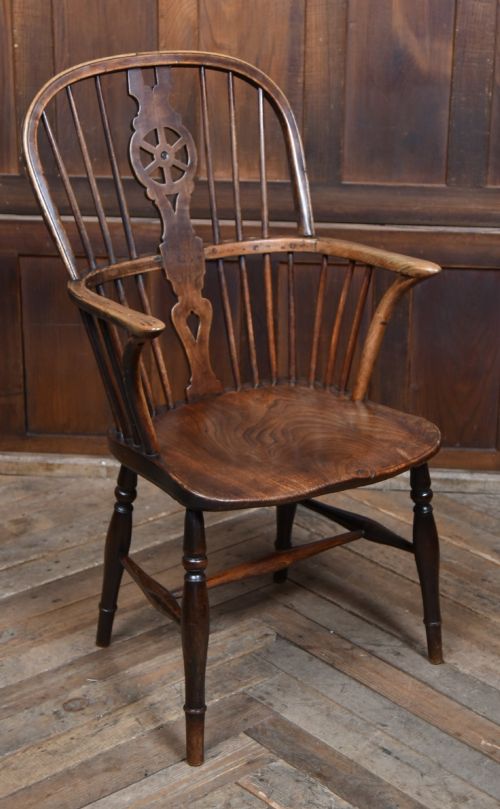
Makers marked their Windsor chairs by stamping initials directly into the timber frame before it left the workshop floor.
What varies in quality
The standard of an antique yew desk rests primarily on the quality of the timber selection, particularly the richness of the burr figuring across the primary surfaces. Finer examples display carefully matched grain patterns and well-proportioned architectural forms.
Original hardware, such as brass handles and escutcheons, alongside untouched timber surfaces and patination, separates superior regional pieces from later or heavily restored examples. The integrity of the secondary woods, like elm seats or drawer linings, further indicates workshop competence.
J Spencer·John Brand of Sleaford·Gabbitass Worksop·Rockley Maker
The Antique Yew Desk Glossary
- Burr yew
- A growth deformity in the yew tree that produces highly figured, swirling wood grain patterns. It is sliced into veneers for decorative table tops and drawer fronts.
- Bureau
- A desk featuring a sloping fall-front that opens to reveal a fitted interior of small drawers and pigeonholes. It sits upon a chest of drawers or a stand.
- Lowboy
- A small side table or dressing table fitted with one or more tiers of drawers. Eighteenth-century examples in yew wood function effectively as compact writing surfaces.
- Vernacular furniture
- Items made by local regional craftsmen using native materials rather than following metropolitan academic designs. This tradition defines much country-made yew furniture.
- Davenport desk
- A compact writing desk with a sloping top, side drawers, and a pedestal base. Victorian versions in yew often incorporate leather-lined writing surfaces.
Antique Yew Desk: Frequently Asked Questions
What woods are found in an antique yew desk?
Pieces combine yew and burr yew with native secondary timbers such as elm, beech, and oak. Regional makers selected these locally sourced woods for strength and varied grain contrast.
Drawer linings and internal structures often rely on oak or elm, while primary display surfaces showcase the distinctive figuring of yew.
How do I date an antique yew desk?
Dating relies on structural characteristics, hardware, and stylistic markers from the Georgian, Victorian, or Edwardian eras. Eighteenth-century pieces often feature simpler bracket feet and solid timber construction.
Later Victorian and Edwardian examples introduce more complex mechanisms, veneered burr yew surfaces, and distinct regional turning styles.
Where were these desks made?
English country workshops and regional cabinet makers produced the majority of these pieces. Towns and rural areas supported local joiners who utilised native timber stocks.
Characteristics often point to specific regional traditions, such as Yorkshire or vernacular English country styles of construction.
How do I care for yew wood furniture?
Protect the timber by keeping desks away from direct heat sources and strong sunlight, which can dry out the old polish and wood. Maintain the surface using traditional beeswax applied sparingly.
Avoid excessive moisture and use dry cloths for dusting to preserve the natural patination built up over centuries.