

Antique Yellow Vases
Antique yellow vases bring warmth and colour to a room through diverse glazes, glass types and ceramic traditions spanning multiple centuries.
Antique Yellow Vases
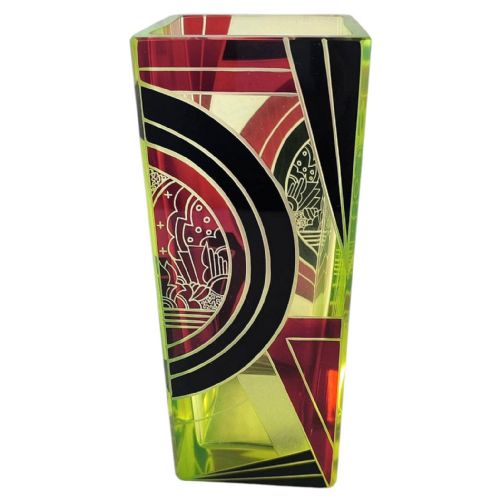
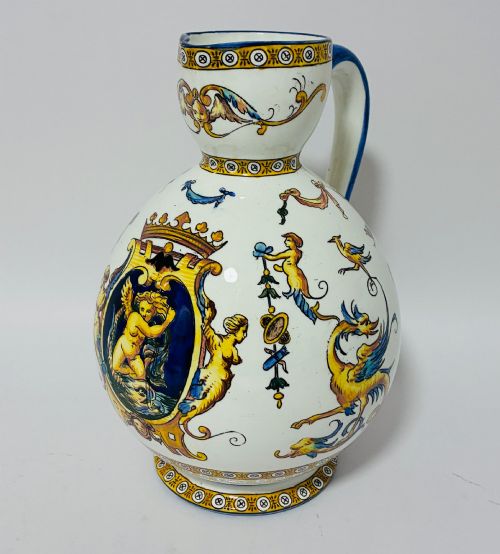
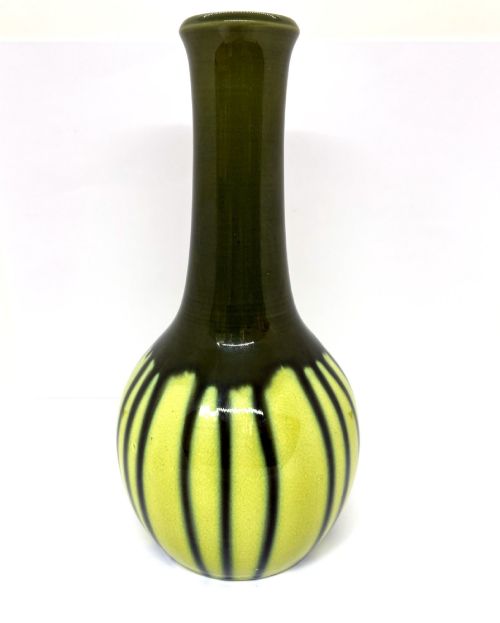
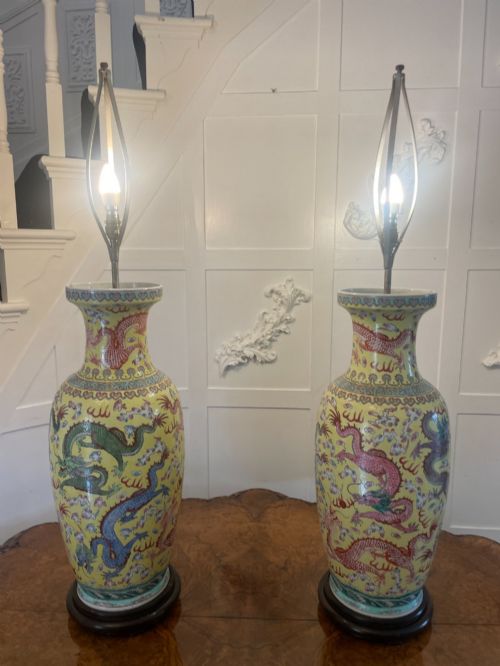
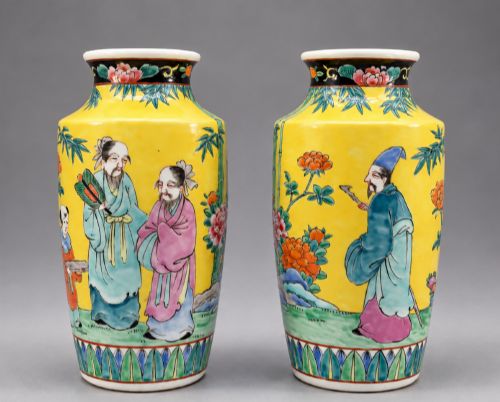
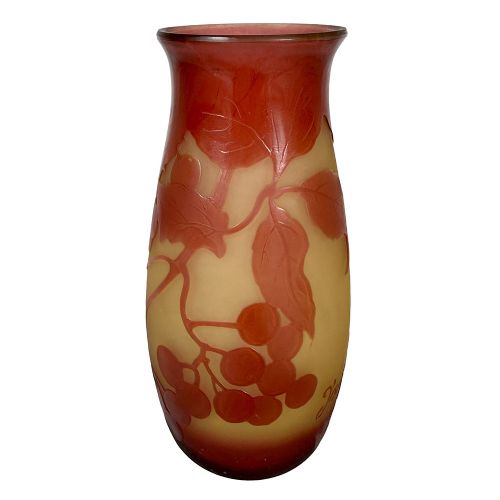
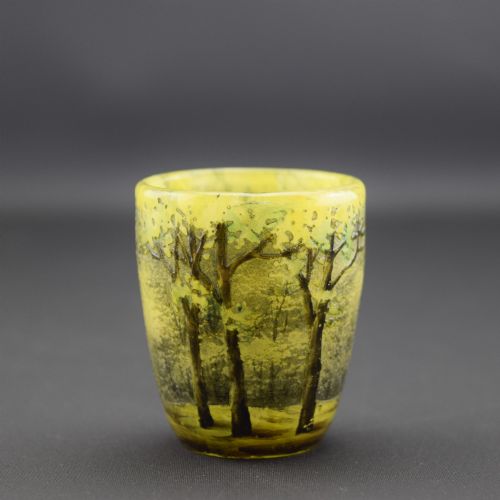
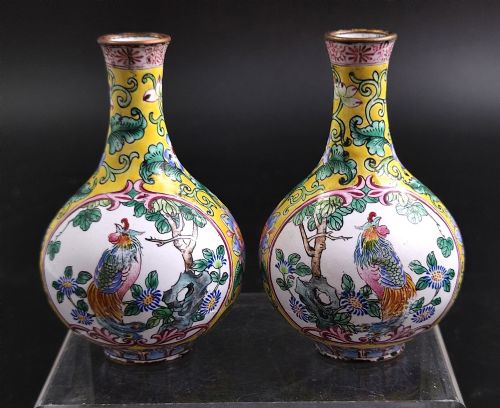
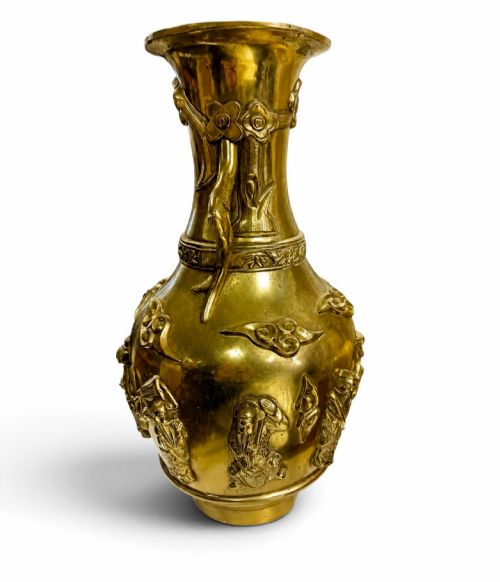
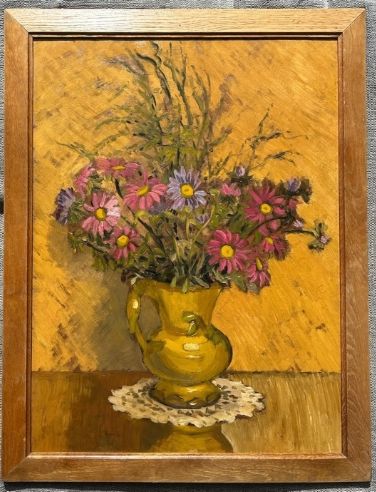
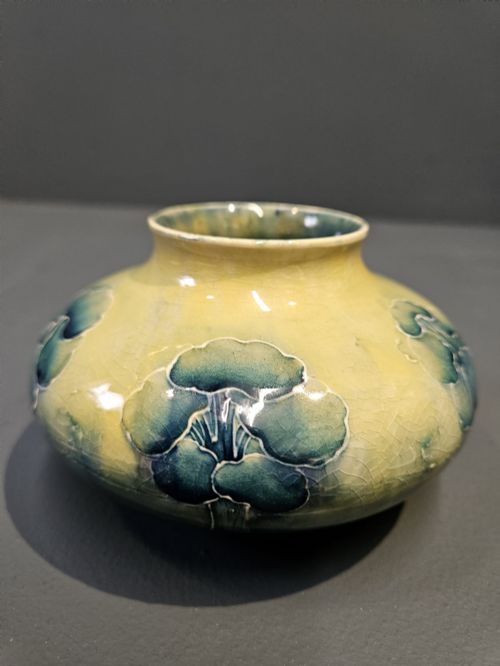
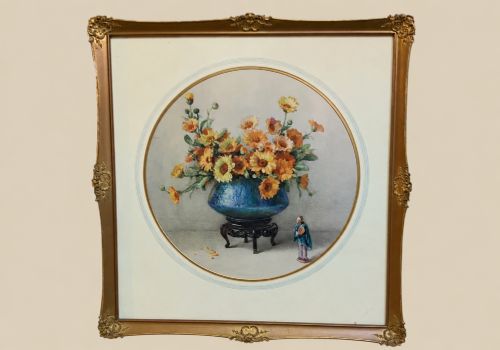
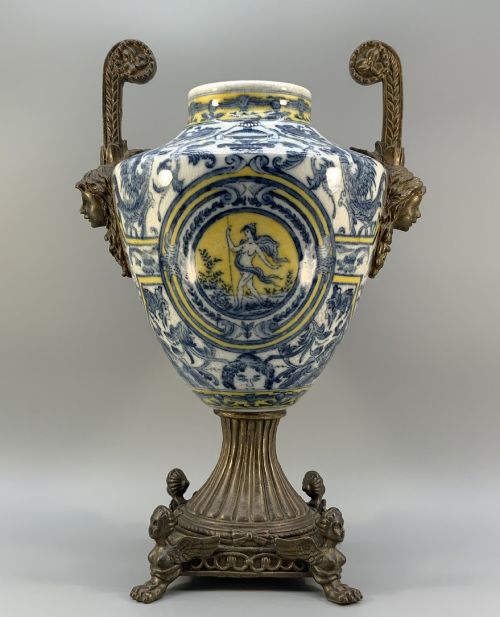
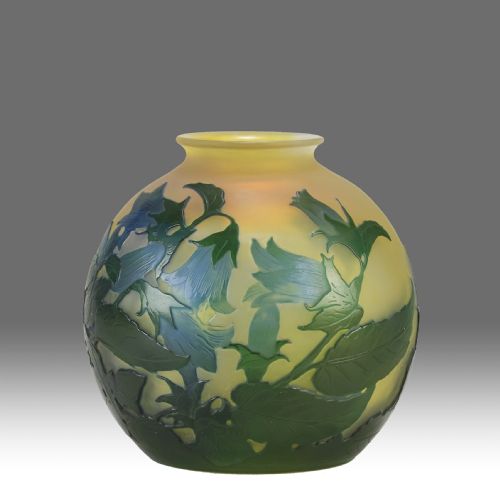
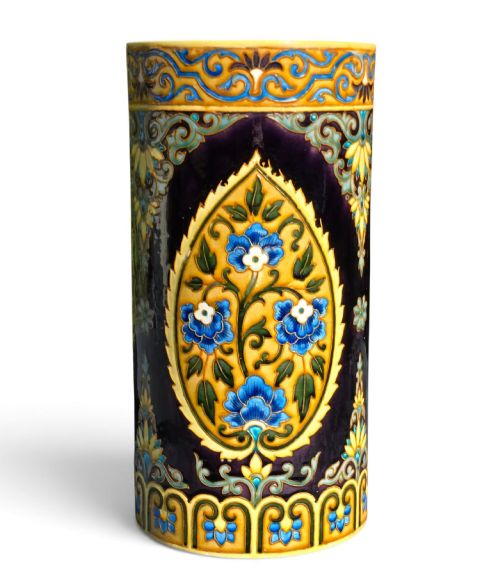
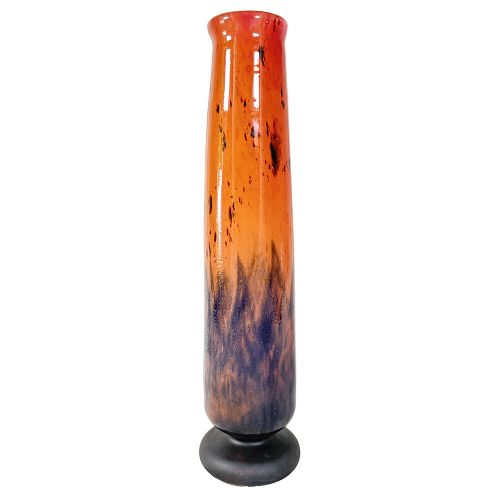
When searching for antique yellow vases, buyers encounter a broad spectrum of vessels created across the nineteenth and early twentieth centuries in Europe and Asia. The examples seen here range from Chinese porcelain grounds and tin-glazed earthenware to complex cameo and iridescent glass.
Chinese porcelain vessels frequently display yellow grounds decorated with enamels or high-relief figures, originating from Qing dynasty traditions or later periods. European works encompass Art Nouveau cameo glass, Renaissance Revival faience, and Victorian vaseline glass, reflecting the distinct decorative priorities of each decade.
How they were made
Glass pieces utilise techniques such as cameo carving, acid-etching, and enamelling on layered or frosted glass bodies. These methods allow artists to build depth and contrast between the yellow background and the overlaid motifs.
Ceramic forms employ earthenware, ironstone, and porcelain bases finished with coloured glazes, tin glazes, or hand-painted enamel decoration. Bronze or brass mounts occasionally complement these ceramic and marble structures.
Antique Yellow Vases Retail Price Guide 2026
Typical asking prices for yellow vases among the pieces listed under this phrase on Sellingantiques today, from the lower quarter to the upper quarter. They describe what is for sale here now, not the wider market.
Materials span cameo glass, tin glaze, earthenware, and porcelain alongside bronze and marble mounts.
What varies in quality
Quality reveals itself in the precision of the hand-carved cameo glass layers, the crispness of enamel painting on porcelain, and the harmony of form and glaze. Master glasshouses and skilled ceramicists achieve sharper relief and more subtle colour transitions.
The sophistication of the mounting work, the depth of the iridescent or acid-etched finish, and the balance of the overall composition distinguish standard production pieces from exceptional works.
Daum·Emile Gallé·Moorcroft·Cantagalli·Karl Palda
The Antique Yellow Vases Glossary
- Cameo Glass
- Glass vessels formed with multiple layers of different colours, acid-etched and hand-carved to create a raised design. This technique requires considerable skill to expose the background evenly.
- Vaseline Glass
- Glass containing uranium dioxide which produces a distinct yellow-green tint and glows under ultraviolet light. It gained popularity during the Victorian era for decorative table wares.
- Famille Rose
- A Chinese porcelain palette introduced in the Qing dynasty, characterised by opaque pink enamels often combined with yellow ground fields and detailed figural scenes.
- Baluster
- A vase shape characterised by a rounded body that tapers toward a narrow neck and rests on a spreading base. The form derives from architectural baluster pillars.
Antique Yellow Vases: Frequently Asked Questions
How do I clean an antique glass vase?
Wash the vessel gently by hand using lukewarm water and mild soap, avoiding harsh scrubbing or abrasive scourers that might damage the surface. Dry it thoroughly with a soft cloth to prevent water spots.
Keep glass pieces away from direct sunlight for extended periods to protect coloured pigments and enamel work from fading over time.
Can I put fresh flowers in these vases?
Many of these vessels function well for holding water and flowers, particularly glazed ceramics and solid glass forms. Check the interior for any hairline cracks or historic repairs before filling.
Delicate antique glass or porous earthenware pieces benefit from a secondary liner or careful handling to avoid moisture damage to fragile interior surfaces.
What is the difference between porcelain and earthenware?
Porcelain is fired at extremely high temperatures, resulting in a vitrified, non-porous body that rings when struck and appears translucent under strong light. Earthenware is fired at lower temperatures, producing an opaque and more porous material.
Both bodies appear frequently across these listings, often finished with distinctive yellow glazes or painted enamel scenes.