
Antique Yellow Ceramics
These pieces of antique yellow ceramics bring warmth and rich colour to a room through centuries of glazed earthenware, porcelain, and majolica.
Antique Yellow Ceramics
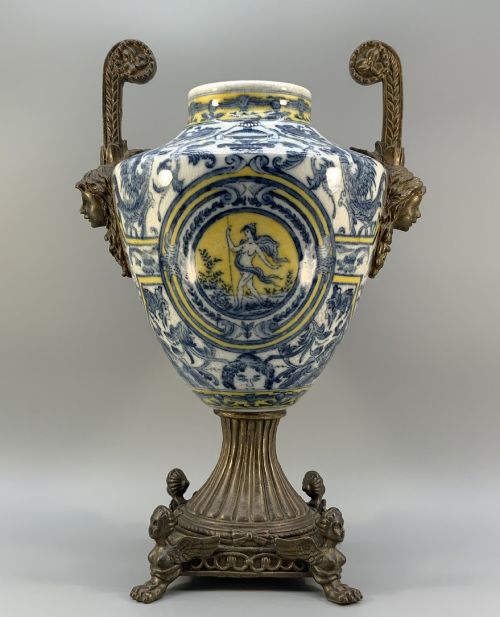
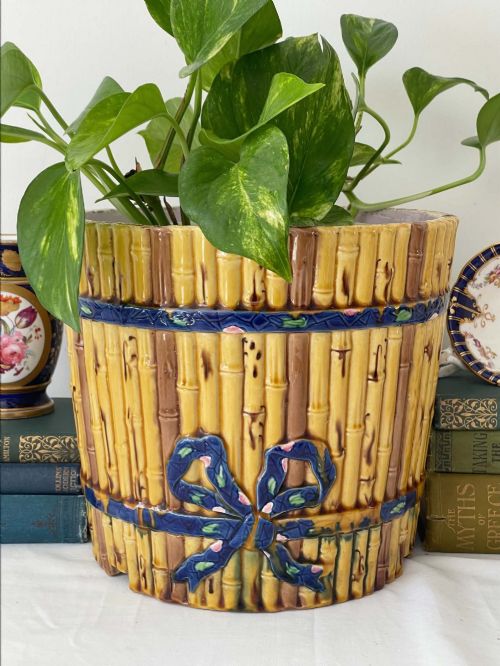
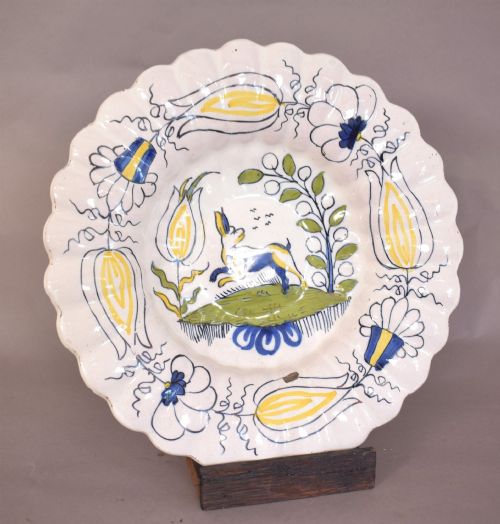
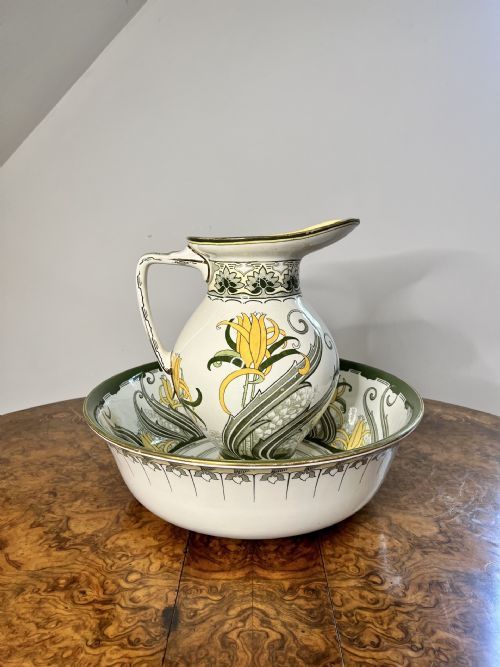
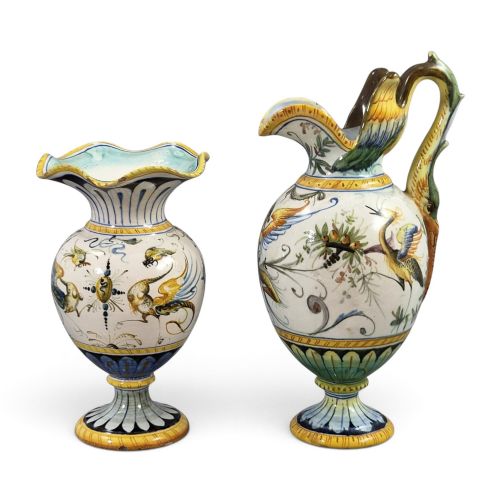
When you search for antique yellow ceramics, you encounter a varied assortment of decorative and functional objects spanning several centuries of production. These range from eighteenth-century tin-glazed chargers and Dutch Delft dishes to nineteenth-century majolica planters, vases, and porcelain urns.
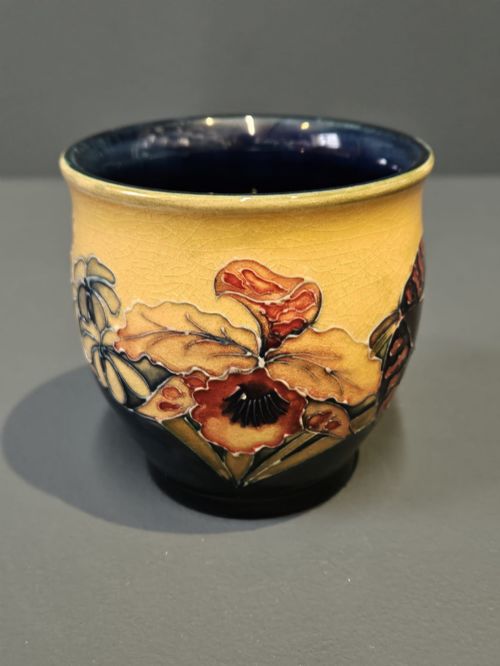
The pieces on this page are most frequently found in nineteenth-century expressions, including Victorian majolica, French faience, and English earthenware. Alongside these, earlier eighteenth-century tin-glazed earthenwares and twentieth-century Art Deco forms appear regularly.
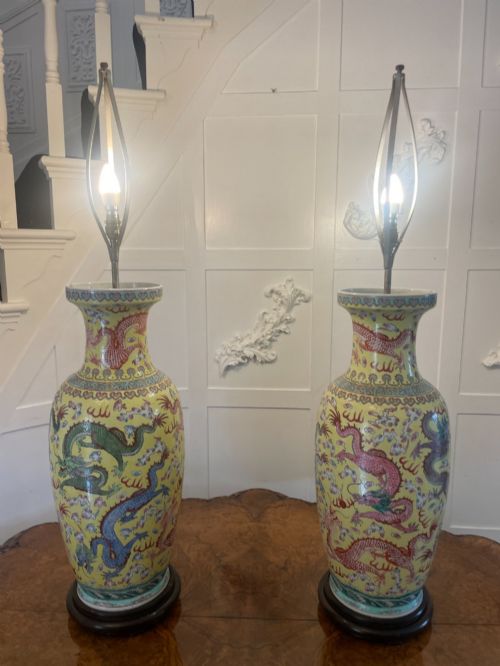
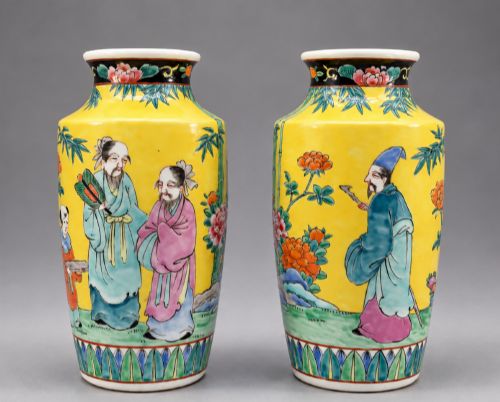
Forms include table lamps, umbrella stands, apothecary jars, cabinet plates, and large floor vases. Each category displays how different European and Asian potteries utilised yellow tones, whether through soft cream glazes, rich ochre slips, or vibrant enamel painting.
Materials and Techniques
Makers shaped these items from ceramic, earthenware, and porcelain bodies, often applying tin glazes or specialised coloured glazes to achieve characteristic yellow surfaces. Tin glazing provided an opaque white or cream base for subsequent hand-painted decoration in polychrome palettes.
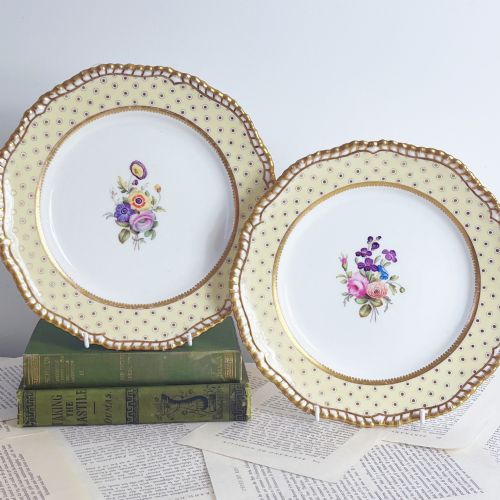
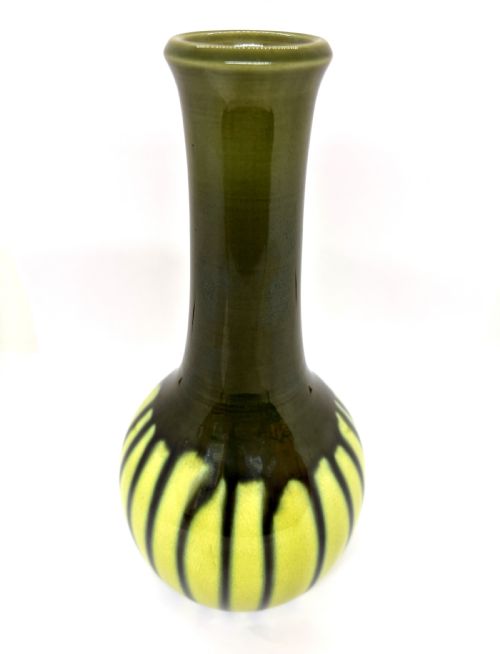
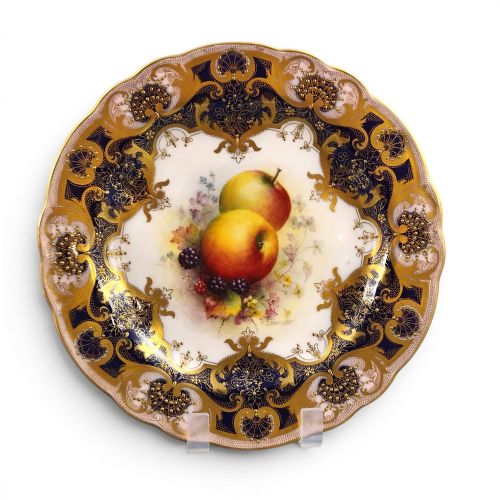
Potters also utilised lead glazes and coloured slips, as seen in slipware money boxes and dribble-glazed planters. Enamel paints and gold leaf decorated fine porcelain cabinet plates and urns, requiring multiple kiln firings to set the pigments.
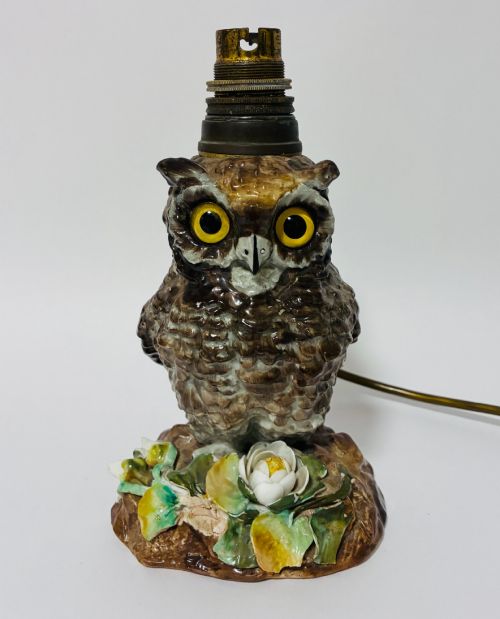
A cheerful Victorian owl lamp base stands ready to illuminate the room with avian solemnity.
Judging Quality and Execution
Quality in these ceramics rests upon the crispness of the moulding and the skill of the brushwork. Hand-painted botanical studies, birds, and figures demonstrate greater artistic investment than mass-produced transfer-printed equivalents.
The depth and consistency of the glaze also define the better pieces, where smooth coverage and successful kiln reactions enhance the visual warmth of the yellow ground. Fine potting, balanced proportions, and clear maker marks elevate cabinet plates and vases above standard domestic wares.
Théodore Deck·Moorcroft·Minton·Meissen·Royal Worcester·Cantagalli Florence·Burmantoft's Pottery·Royal Doulton·Helena Wolfsohn Dresden·Quimper·Mason’s·Chamberlain Worcester·Clarice Cliff
The Antique Yellow Ceramics Glossary
- Majolica
- A type of earthenware decorated with opaque tin glazes and colourful metallic oxide pigments. It became especially popular during the Victorian era for decorative planters and jardinières.
- Faience
- European tin-glazed earthenware, historically produced in France, Italy, and other regions. The technique creates a smooth, absorbent surface ideal for painted decoration.
- Tin Glaze
- A glaze made opaque by the addition of tin oxide, creating a white or cream background for painted pottery. It was widely used across European potteries from the seventeenth century onward.
- Porcelain
- A hard, fine-grained ceramic fired at high temperatures until vitrified. It is traditionally whiter and more translucent than earthenware.
- Charger
- A large decorative plate intended for display on a wall or dresser rather than for dining use. Many historical examples feature hand-painted polychrome scenes.
Antique Yellow Ceramics: Frequently Asked Questions
How do I date antique yellow ceramics?
Dating relies on identifying the ceramic body, glaze type, and style of decoration, supported by any factory marks stamped or painted on the base. Stylistic cues such as Victorian majolica moulding or Art Deco forms help narrow down the period of manufacture.
Comparison with documented examples from makers like Minton or Delft potteries provides further precision. Physical characteristics like crazing and wear on the foot rim also indicate age.
How should I care for antique ceramic items?
These pieces require gentle handling and should be cleaned only with a dry or very slightly damp cloth to protect delicate glazes and painted surfaces. Harsh detergents and immersion in water can damage fragile earthenware bodies and historic glazes.
Display them away from direct sunlight and areas of high humidity to prevent fading and crazing of the glaze. Stable placement on flat surfaces keeps tall items like vases and lamps secure.
What is the difference between earthenware and porcelain?
Earthenware is a porous, coarser ceramic fired at lower temperatures, requiring a glaze to become waterproof. It forms the body of much historic majolica and faience.
Porcelain is fired at much higher temperatures until the clay vitrifies, resulting in a dense, non-porous material that is often translucent. This finer body allowed makers to produce delicate cabinet plates and figurines.