
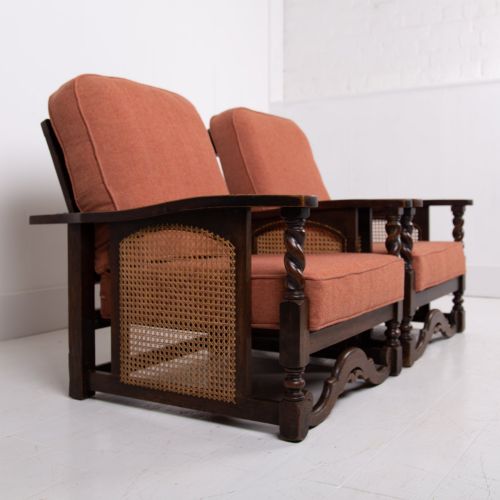
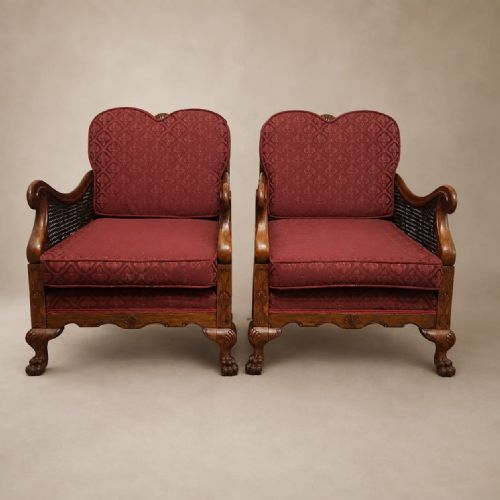
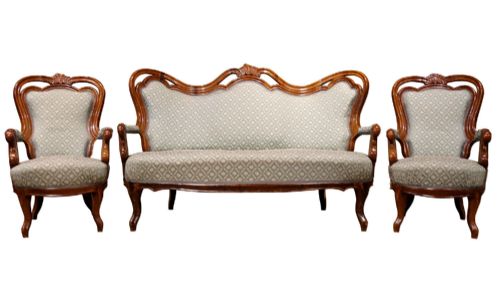
Antique X Frame Seating
Antique x frame seating brings sculptural geometry and enduring support into a room, spanning centuries of woodworking tradition from the Regency era onwards.
Antique X Frame Seating
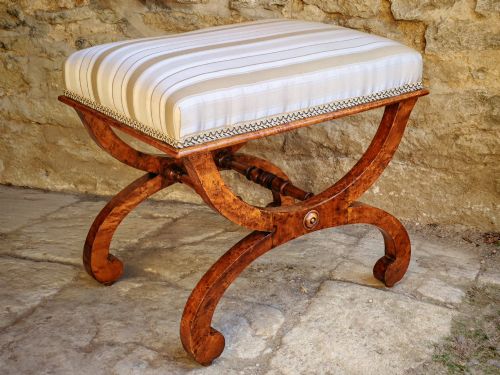
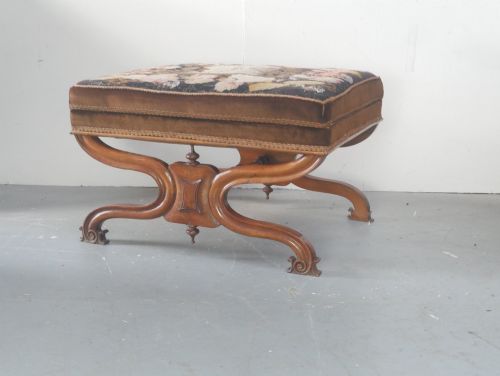
When you search for antique x frame seating, you encounter a distinct architectural lineage that includes stools, footstools, and library armchairs. These pieces derive their structural integrity from intersecting diagonal members that form a folding or fixed cross shape beneath the seat.
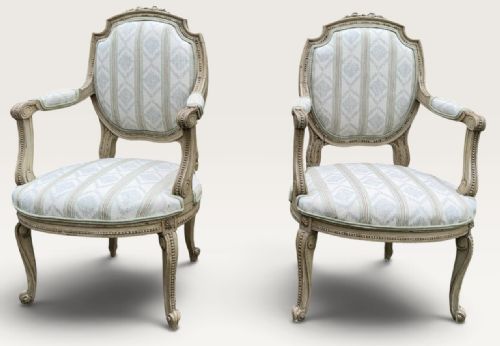
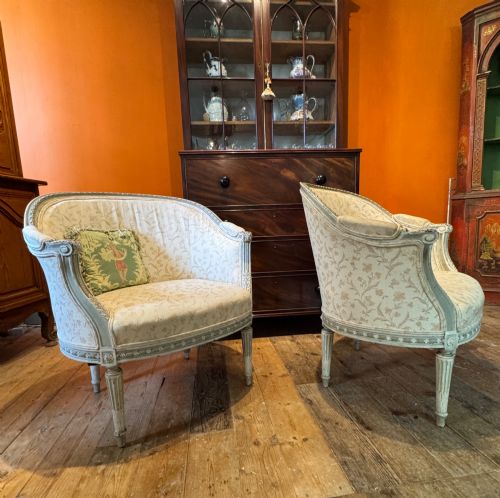
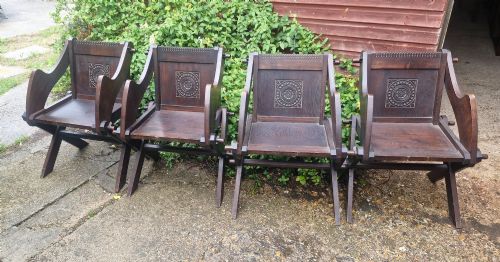
The selections available here range from formal Regency designs to Victorian walnut examples and later twentieth-century iterations. Stools and footstools dominate the smaller formats, whilst robust armchairs utilise the intersecting frame to support deep upholstery and wooden armrests.
Originating from ancient curule precedents, these seats appear across various periods including the Georgian era, the nineteenth century, and the 1930s. The common thread remains the X-shaped underframe, which provides both visual tension and solid load-bearing strength.
Materials and Construction
Cabinet makers utilised durable hardwoods such as mahogany, walnut, oak, and beech to construct the intersecting side members of the frames. These timbers were selected for their grain density and capacity to withstand the lateral stress placed upon the cross joints.
Upholstery techniques varied according to period, incorporating materials like hessian, velvet, fabric, and split cane panels secured to the wooden carcasses. Decorative elements such as brass fixtures, giltwood finishes, and beaded needlework further defined the surface treatment of the frames.
Listings feature oak, walnut, mahogany, and pitch pine timbers across nineteenth-century and early twentieth-century periods.
Craftsmanship and Proportion
The distinction between standard examples and superior pieces lies in the precision of the joinery where the diagonal members cross and lock together. Fine pieces demonstrate tight timber tolerances and hand-carved detailing that complements the rigorous geometry of the frame rather than masking it.
Proportion and balance determine the visual success of the seating, as the outward thrust of the legs must harmonize with the scale of the upholstered seat or cushion above. Superior examples maintain structural equilibrium without relying on heavy secondary bracing.
Miles & Edwards
The Antique X Frame Seating Glossary
- X Frame
- A structural form utilising two diagonal legs that cross in the middle to support a seat. This ancient design provides inherent load-bearing stability.
- Curule
- An ancient magistrate chair shape featuring curved crossing legs. It serves as the direct historical archetype for later x frame seating.
- Bergere
- An enclosed upholstered armchair with wooden framing. It frequently incorporates cane work panels along the back and sides.
- Giltwood
- Timber treated with gold leaf or gold paint to simulate solid gold. This finish appears on formal nineteenth-century salon furniture.
- Hessian
- A coarse woven fabric typically utilised as foundational internal upholstery. It supports the stuffing material beneath top covers.
Antique X Frame Seating: Frequently Asked Questions
How are x frame stools structured?
The core structure relies on two pairs of diagonal legs intersecting to form an X shape from side to side. This configuration distributes weight evenly toward the floor.
Makers often reinforced this central joint with a horizontal stretcher or metal pin to prevent lateral movement under heavy use.
Were these seats used in libraries?
Armchairs and stools with cross frames frequently appeared in nineteenth-century libraries and studies. Their sturdy geometric bases suited formal domestic spaces.
They provided stable seating that could be easily moved across carpets while maintaining a dignified architectural silhouette.
How do I care for wooden frames?
Maintain the timber by applying a microcrystalline wax periodically to nourish the surface grain. Avoid placing antique wood in direct sunlight or near heat sources.
Regular dusting with a dry, soft cloth prevents particulate accumulation in carved joints and crevices.
Can I distinguish Victorian from Regency examples?
Regency frames often lean towards classical restraint with architectural lines and restrained mahogany or rosewood surfaces. Victorian iterations tend to be heavier, featuring deeper carving and diverse upholstery.
Examining the secondary timbers and the style of the joinery helps clarify the manufacturing period.