

Antique Woven Trapping
Antique woven trapping includes nomadic saddle covers, horse blankets, and storage bags from Central Asian and Persian tribes.
Antique Woven Trapping
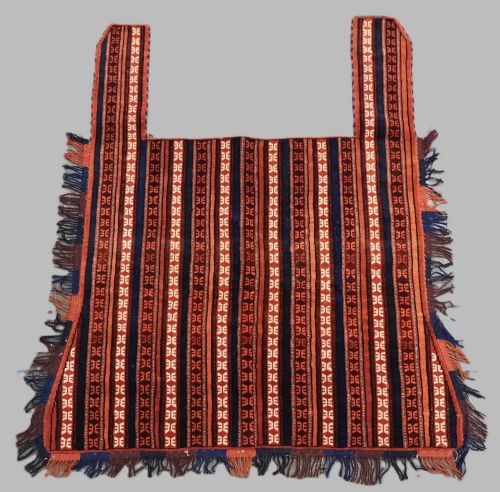
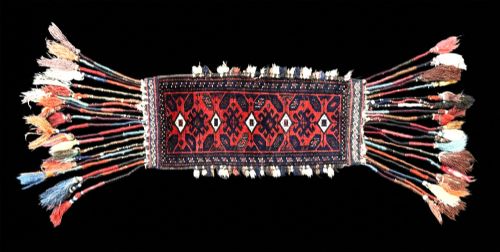
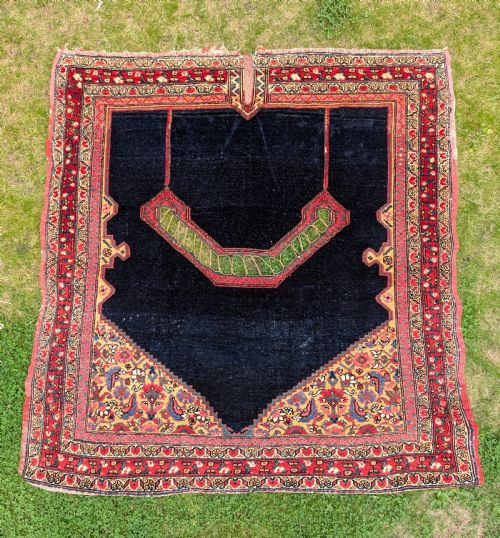
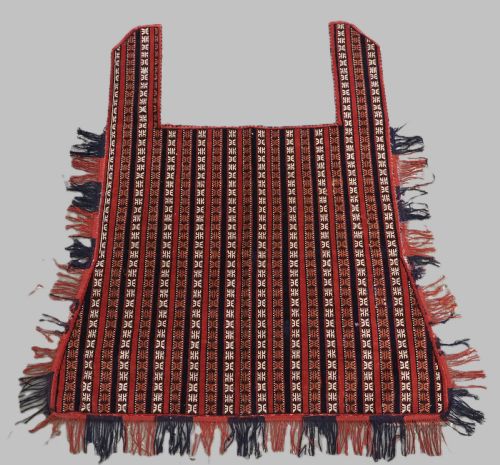
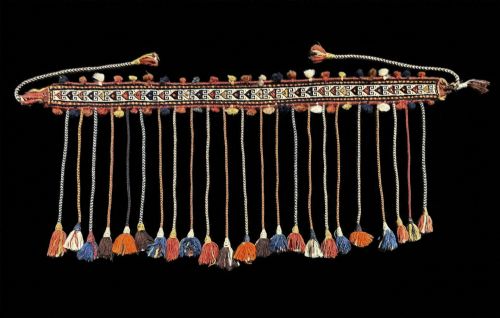
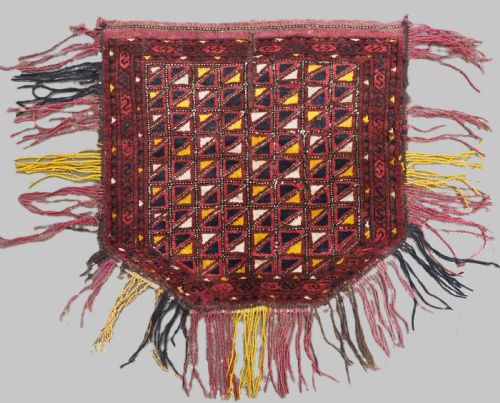
An antique woven trapping serves practical and ceremonial functions within nomadic cultures, spanning regions from Central Asia to Persia. The selection centres on animal covers, saddle rugs, and storage bags produced by tribal groups such as the Turkmen, Qashqa'i, and Baluch.
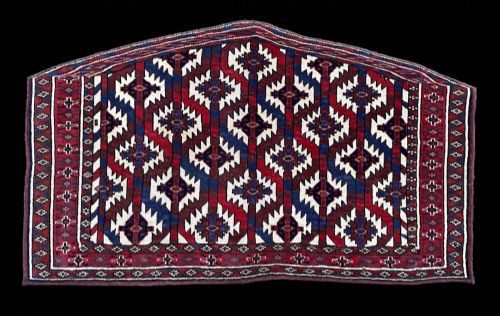
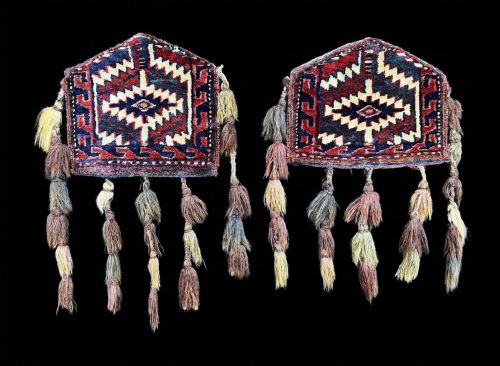
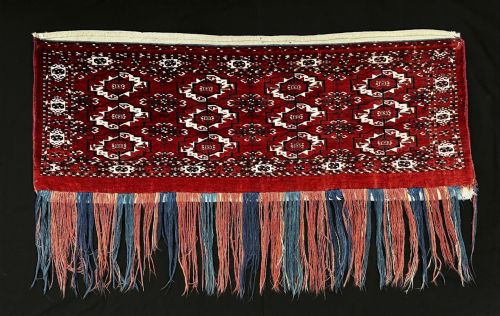
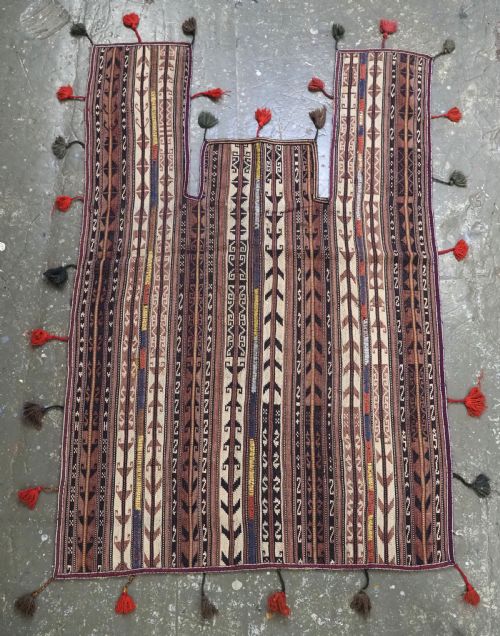
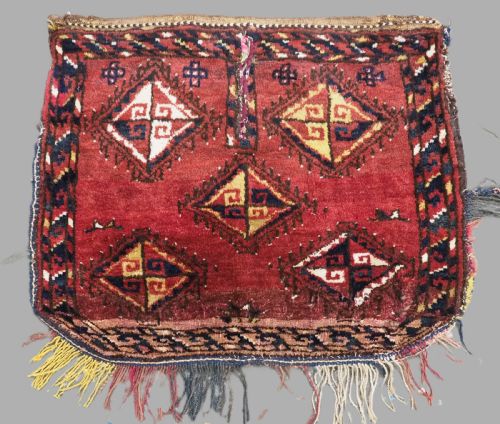
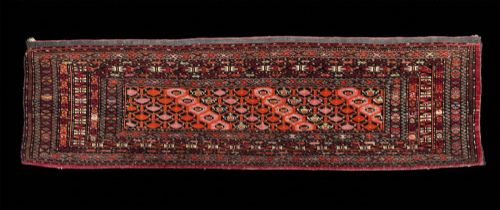
Most items on this page originate from the nineteenth and early twentieth centuries, reflecting utilitarian objects made for daily nomadic existence and wedding ceremonies. Forms include torbas, asmalyks, and horse blankets that were woven on portable looms.
The objects demonstrate specific regional iconography, utilising tribal motifs that identified particular clans and geographic locations. These textiles reveal the material culture of nomadic life through utilitarian and decorative horse and camel gear.
How they were made
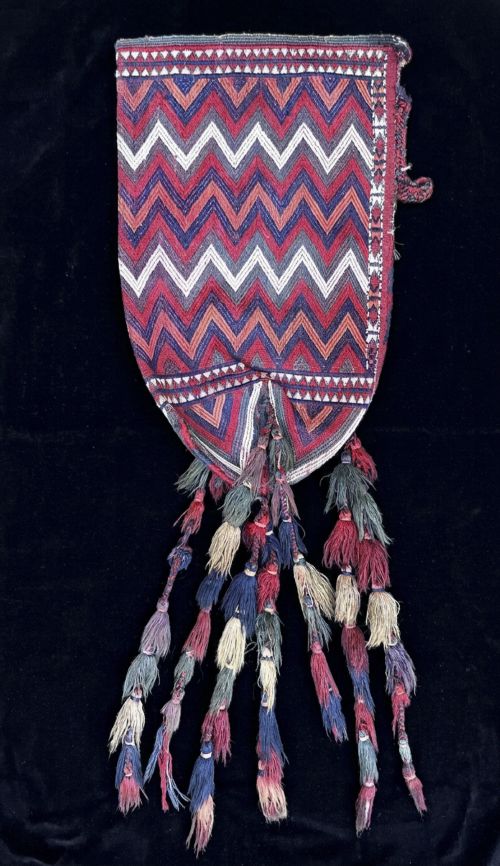
Makers utilised hand-spun wool and cotton foundations, dyed with natural colorants to create deep shades of red, brown, and ivory. Certain examples incorporate silk highlights and supplementary materials such as glass beads and leather.
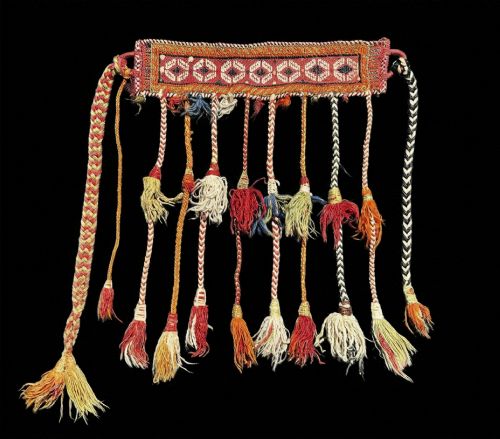
Weavers employed pile and flatweave techniques on warp-weighted or horizontal ground looms set up in camps. The resulting textiles were finished with original tassels, backs, and side cords necessary for mounting on animals.
Antique Woven Trapping Retail Price Guide 2026
Typical asking prices for woven trapping among the pieces listed under this phrase on Sellingantiques today, from the lower quarter to the upper quarter. They describe what is for sale here now, not the wider market.
Listings feature wool, cotton, silk, and natural dyes deployed across nineteenth-century Central Asian and Persian nomadic formats.
What varies in quality
Quality depends upon the tightness of the knotting and the fineness of the weave, which dictate the clarity of the tribal motifs. Dense knotting preserves structural integrity and ensures the intricate details of designs remain sharp.
The vibrancy and depth of the natural dyes separate standard examples from superior pieces, alongside the survival of original elements like tassels and backs. Completeness and the preservation of early wool foundations determine the desirability of an item.
The Antique Woven Trapping Glossary
- Torba
- A small storage bag produced by Turkmen tribes, often hung inside a tent to store household items. These pieces feature characteristic main guls and border patterns.
- Asmalyk
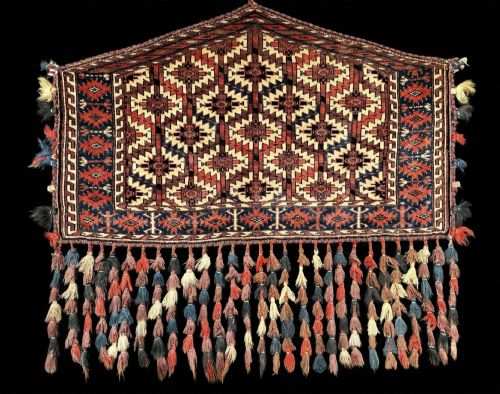
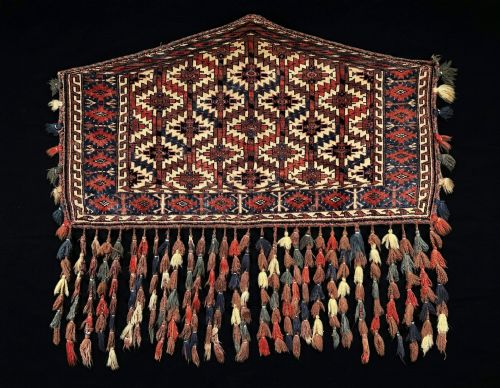
- A pentagonal trapping mounted on the flanks of a camel during wedding processions. These ceremonial hangings display elaborate tribal designs and symbolism.
- Gul
- A primary medallion motif repeated across Turkmen and Central Asian carpets and trappings. Each design often corresponds to a specific tribe or clan.
- Jollar
- A long, rectangular storage bag used by Turkmen nomads for packing belongings during migration. They share construction methods with smaller torbas.
- Uk Bash
- A specific type of trapping associated with Yomut nomads, tied to the interior lattice framework of a yurt. They exhibit narrow vertical formats.
Antique Woven Trapping: Frequently Asked Questions
What is an antique woven trapping?
An antique woven trapping is a textile item made by nomadic and tribal weavers in regions like Central Asia, Afghanistan, and Persia. These pieces were created for practical use on animals or inside tents.
Items range from saddle covers and horse blankets to storage bags and camel headdresses. They combine utilitarian functions with distinct tribal designs passed down through generations.
How were horse trappings used?
Nomadic tribes used horse and camel trappings during daily travel, seasonal migrations, and important ceremonies such as weddings. Animals wore decorative blankets and saddle covers to display the status and artistry of the weaver's family.
Other pieces functioned as storage containers suspended inside portable dwellings. Every textile served a defined role within the material culture of the tribe.
How do I care for a textile trapping?
Protect antique wool and cotton textiles from direct sunlight to prevent natural dyes from fading over time. Gentle vacuuming through a mesh screen helps remove dust without damaging the old pile or loose threads.
Avoid hanging heavy pieces by single points, as the weight can strain the ancient foundation. Professional textile conservators should handle any necessary cleaning or repairs.
How can I tell different tribal designs apart?
Tribal designs rely on specific structural motifs, colour palettes, and knotting styles unique to groups like the Yomut, Tekke, Ersari, and Qashqa'i. The repetition of particular guls and border patterns indicates the geographic origin and specific clan of the maker.
Examining the materials, weave structure, and format provides further clues to provenance. Reference literature helps match specific motifs to recorded tribal groups from the nineteenth century.