


Antique Workshop Cabinet
An antique workshop cabinet brings heavy-duty utility and honest industrial character straight into the home.
Antique Workshop Cabinet
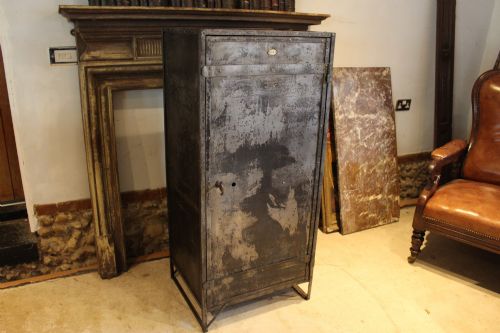
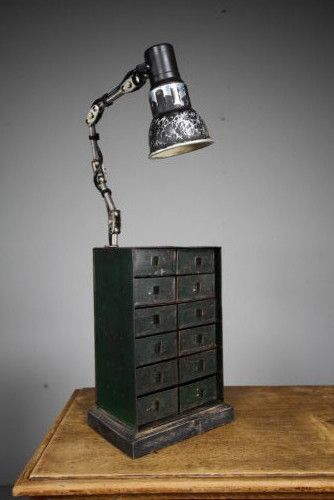
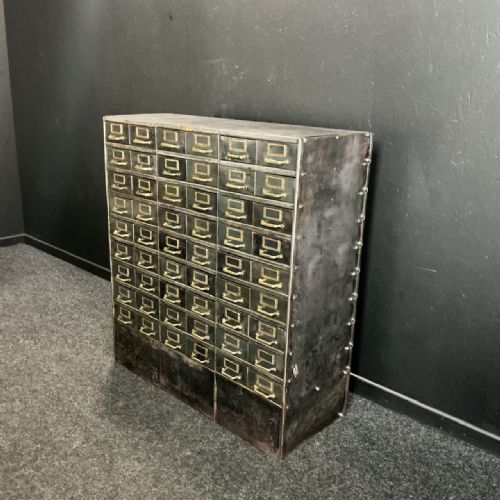
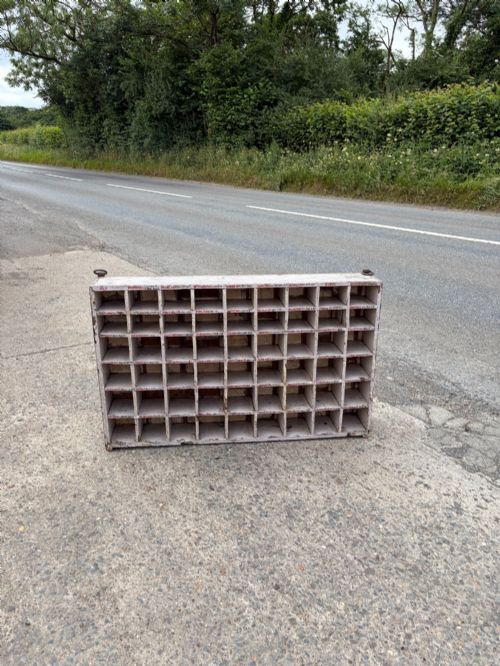
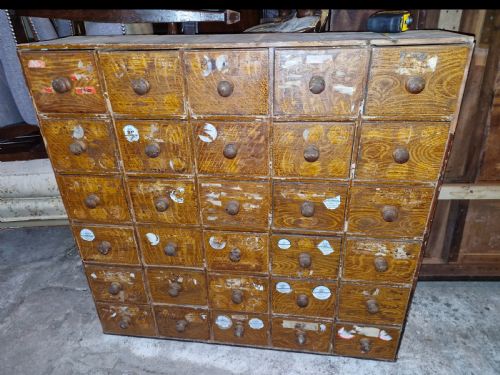
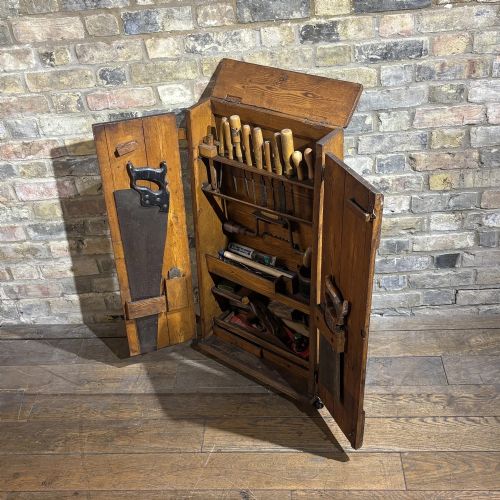
When you search for an antique workshop cabinet, you are looking at utilitarian storage built for trade, craft and industry rather than formal drawing rooms. These pieces originate from periods spanning the nineteenth century through the nineteen-thirties, taking forms such as banks of drawers, pigeon holes, filing cabinets and tool chests.
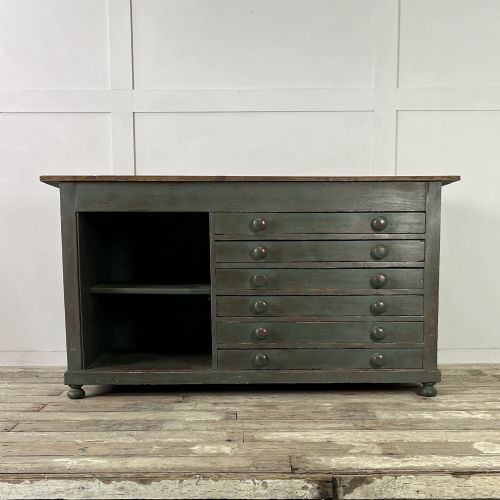
The versions you are most likely to meet on this page include Victorian and Edwardian pine chests, French industrial filing units and multi-drawer arrangements designed for jewellers, joiners, carpenters and ironmongers. They reflect decades of functional service in trade environments.
Makers constructed these storage pieces to organise tools, hardware, documents and components efficiently. Their straightforward designs rely on banks of small drawers, open compartments and sturdy doors to handle daily workplace demands.
Materials and construction methods
Construction relies heavily on durable timbers such as pine, pitch pine, mahogany, elm and general wood, paired with robust metal hardware like iron, steel, brass and wrought iron. This combination provided the structural strength required for heavy daily use in workshops and commercial premises.
Many surfaces retain original paint remnants, unvarnished patinas or practical locking mechanisms. Joinery focuses on utility and resilience, ensuring the drawers and cabinets could withstand heavy loads of tools, hardware and documents over generations.
The listings span the Victorian era, nineteen-hundreds, nineteen-twenties and nineteen-thirties, incorporating pine, mahogany, elm, iron, steel and brass.
Evaluating build and finish
Quality in an antique workshop cabinet rests in the integrity of its timber, the functionality of its hardware and the preservation of its original surface character. Dense hardwoods and solid secondary timbers denote superior initial build quality.
The degree of original hardware survival, from brass pulls to iron locks and fitted lighting, distinguishes standard utility pieces from specialist trade chests. Original paint remnants and honest patination elevate the visual appeal without masking the working history.
The Antique Workshop Cabinet Glossary
- Bank of drawers
- A multi-drawer storage unit designed to hold numerous small items or documents. These configurations often feature dozens of individual pulls.
- Pigeon holes
- Open cellular shelving units used for sorting post, papers or small components. They allow immediate visibility and access to contents.
- Pitch pine
- A resinous, durable softwood utilised for its strength in demanding nineteenth-century furniture. It ages with a distinct deep tone.
- Ironmongers drawers
- Multi-drawer cabinetry originally built for hardware stores to sort small metal goods. They frequently display remnants of trade labeling.
Antique Workshop Cabinet: Frequently Asked Questions
What are antique workshop cabinets?
These are utilitarian storage pieces built for trade, craft and industrial environments during the nineteenth and early twentieth centuries. They encompass banks of drawers, pigeon holes, tool chests and filing cabinets.
Designed strictly for function, they housed tools, hardware, watchmaker parts and documents in workshops, stores and offices.
How were workshop cabinets used originally?
Tradespeople such as carpenters, jewellers, joiners and ironmongers relied on them to organise specialised equipment and small components. Each drawer or compartment kept working tools close to hand.
They stood in workshops, factories and mercantile shops where durability mattered far more than decorative polish.
How do I style an industrial cabinet at home?
An industrial storage piece brings practical organisation and raw material texture to modern living spaces, kitchens or home offices. Its weathered wood and metal hardware anchor a room with functional history.
Allow the piece to stand as a focal point where you can store everyday items inside the original bank of drawers or pigeon holes.
How can I tell Victorian cabinets apart from later pieces?
Victorian and nineteenth-century examples often employ solid pine, pitch pine or elm with hand-cut joinery and traditional hardware. They reflect nineteenth-century workshop practices.
Nineteen-twenties and thirties pieces frequently introduce steel, wrought iron elements, French industrial styling or specific filing mechanisms suited to twentieth-century commerce.