



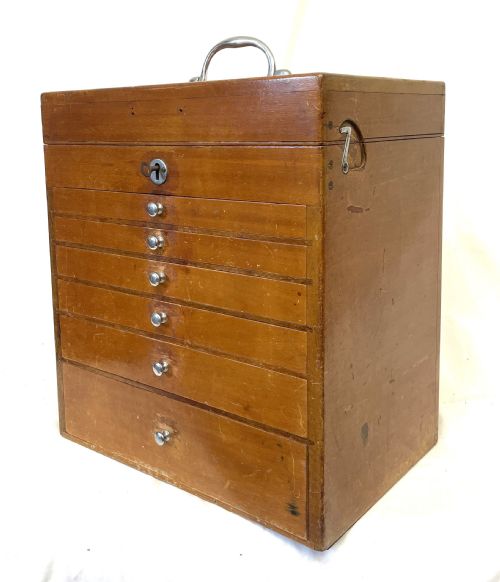


Wooden Tool Chest
A wooden tool chest is a sturdy working box built to carry a craftsman's livelihood, prized today for its honest construction and practical storage.
Wooden Tool Chest
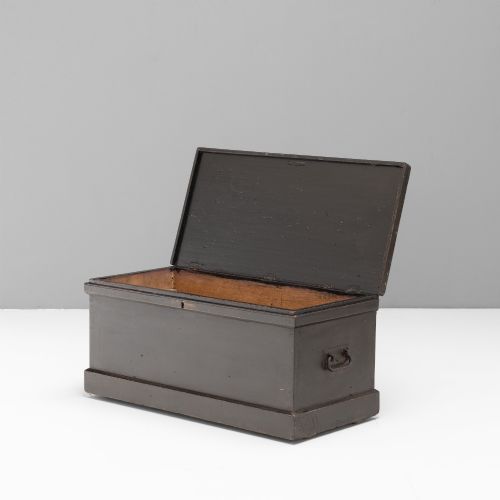
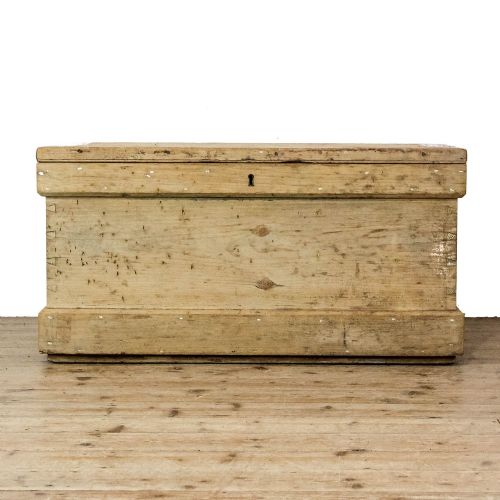
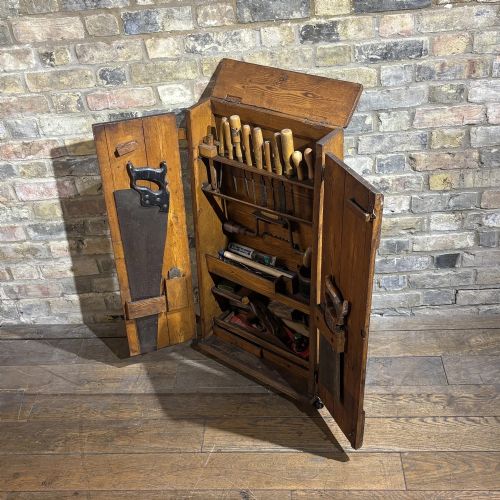
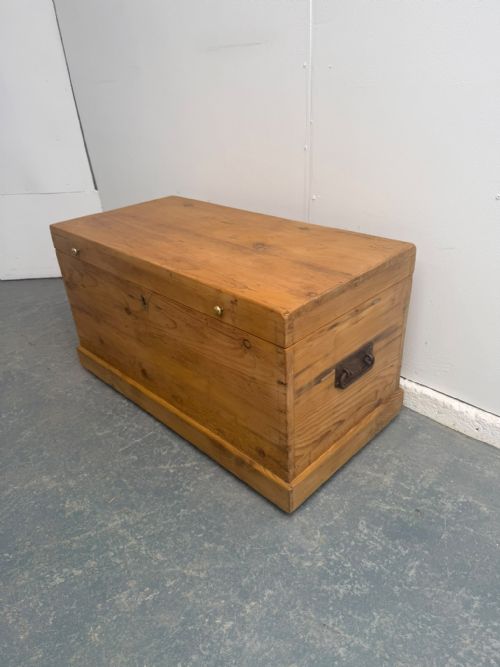
A wooden tool chest is a utilitarian storage container designed to hold hand tools and implements for carpenters, shipwrights, and cabinet makers. You will most frequently encounter nineteenth century and Victorian examples built from pine, often fitted with internal tills and robust carrying hardware.
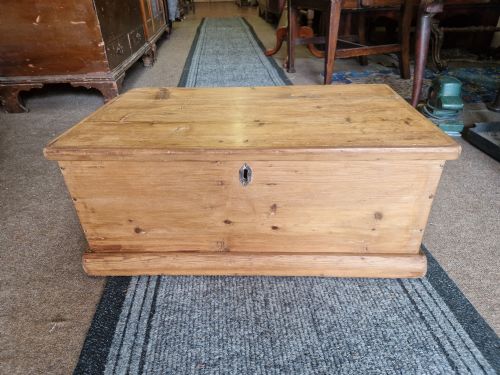
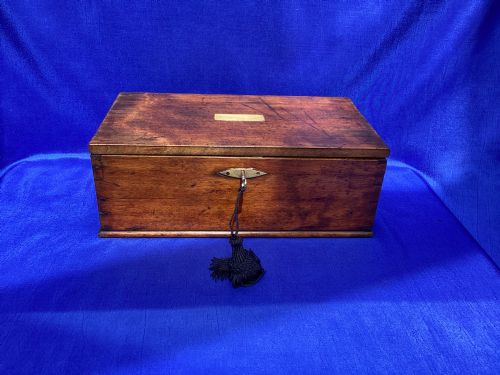
The selections range from modest pine blanket boxes and small portable cabinets to substantial brass-bound trunks and fitted master chests. These pieces originate from domestic workshops, maritime vessels, and industrial settings across the Georgian and Victorian eras.
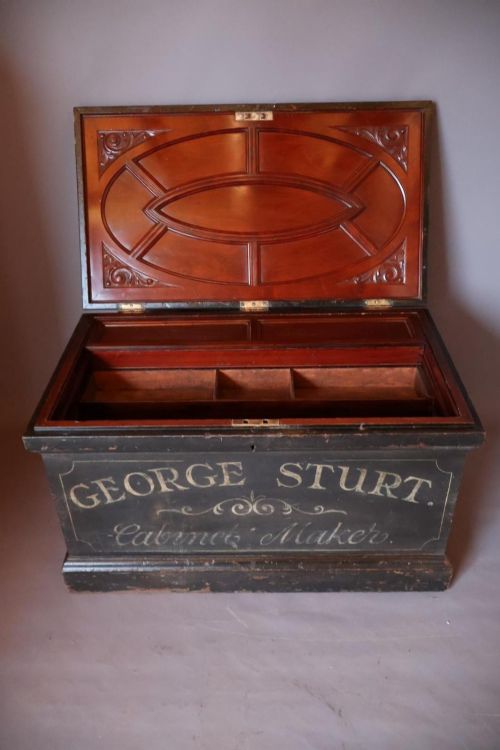
Many survivors retain their original paint finishes, scumble effects, or darkened wax patinas earned through decades of heavy workshop use. They bridge the gap between functional industrial salvage and characterful rustic furniture for modern homes.
Materials and construction
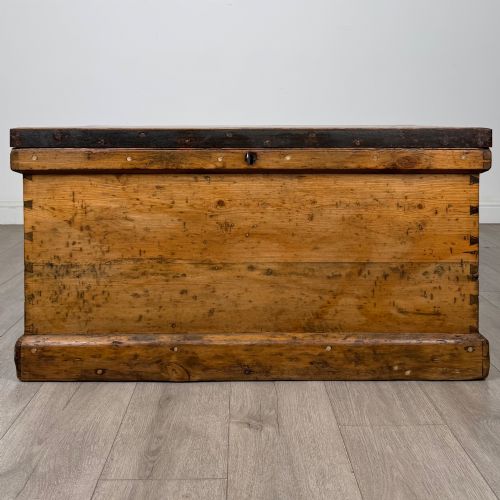
Carpenters relied primarily on durable softwoods like pine and pitch pine, occasionally turning to hardwoods such as mahogany, teak, and solid elm for high-status maritime and cabinet maker examples. These timbers were joined with robust corner joints and reinforced to withstand heavy loads and constant transit.
Makers integrated brass and iron hardware, including strap hinges, side lifting handles, and working locks with keys to secure valuable equipment. Internal arrangements often featured fitted compartments, small drawers, and specialised tool racks tailored to specific trades.
Surfaces were finished with protective coats of paint, scumble glazes, or simple wax to guard against moisture and wear in busy workshops.
Keep an eye out for hidden compartments and secret tills designed to outsmart sticky-fingered apprentices in busy Victorian workshops.
Evaluating craftsmanship and survival
Quality rests in the integrity of the original construction and the degree of internal survival, such as intact fitted trays, internal drawers, and functional locking mechanisms. Pieces retaining their original brass or iron hardware command greater appreciation than those with later replacements.
The character of the timber and finish sets examples apart, moving from simple utilitarian pine boxes to finely detailed mahogany or teak trunks built for master shipwrights. The presence of original maker details, maritime paintings, or specialised trade configurations elevates the historical significance.
Wear tells the story of use, but the balance between honest workshop patina and structural preservation dictates the standing of each individual piece.
Holtzapffel and Co·Gnome Et Le Rhone Engine Company
The Wooden Tool Chest Glossary
- Till
- A small internal compartment or sliding tray built inside a chest to hold smaller implements and measuring tools. It usually sits near the top edge for easy access.
- Scumble pine
- Pine treated with a translucent glaze layer manipulated with combs or brushes to imitate the grain of more expensive hardwoods. This decorative finish was popular in nineteenth-century workshops.
- Pitch pine
- A resinous North American pine species utilised for its exceptional durability and strong grain pattern. It appears frequently in robust Victorian maritime and portable tool cabinets.
- Shipwright
- A carpenter or artisan skilled in the construction and repair of ships and boats. Their heavy chests often featured reinforced brass corners and durable hardwoods to withstand sea voyages.
Wooden Tool Chest: Frequently Asked Questions
What were wooden tool chests used for?
These chests served as secure, portable containers for professional artisans to transport and store their specialised hand tools from site to site. Tradespeople such as carpenters, shipwrights, and cabinet makers relied on them daily.
Inside, fitted compartments and tills kept chisels, saws, and measuring instruments organised and protected from workshop dampness and theft.
How do I date an old tool chest?
Dating relies on examining the construction methods, types of timber, and hardware such as hinges and locks. Nineteenth-century examples often feature hand-cut dovetails and forged iron fittings.
Makers' marks, painted inscriptions, and specific wood choices like pitch pine or mahogany also help narrow down the period of manufacture.
How can I use a tool chest at home?
Their sturdy construction makes them ideal for practical storage in living rooms, hallways, or boot rooms. Many people use them as blanket boxes, coffee tables, or toy chests.
The flat lids and robust frames allow them to double as functional furniture while concealing household clutter.
Are all wooden tool chests made of pine?
While pine is the most common material found in nineteenth-century workshops, makers also utilised hardwoods like mahogany, teak, and elm. Maritime and master craftsman chests frequently employed denser timbers to endure harsh conditions at sea.
Iron and brass reinforcement protected the corners and edges regardless of the primary wood used.