
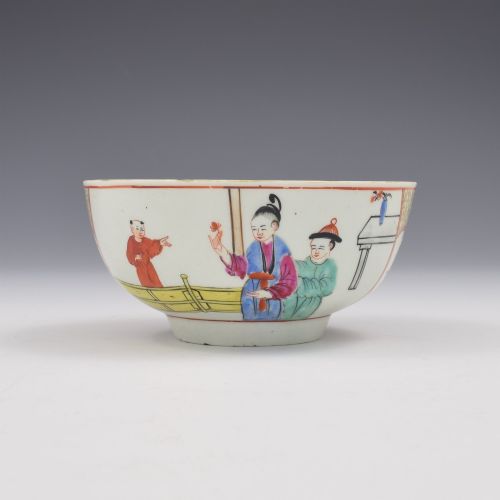


Antique Worcester China Bowl
These antique worcester china bowl examples span the delicate hand-painted productions of the eighteenth century through to later painted fruit services.
Antique Worcester China Bowl
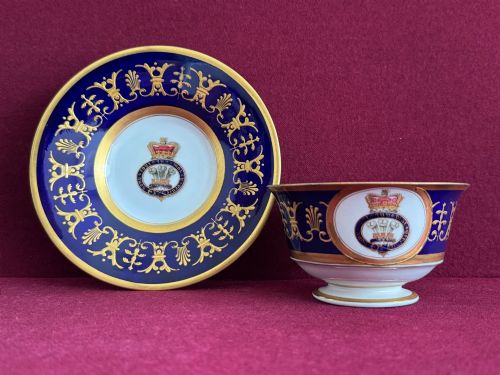
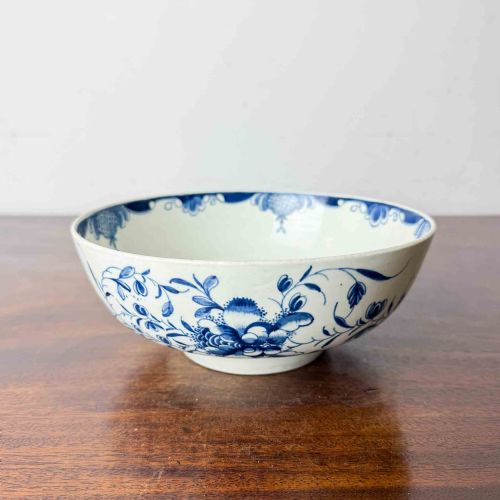
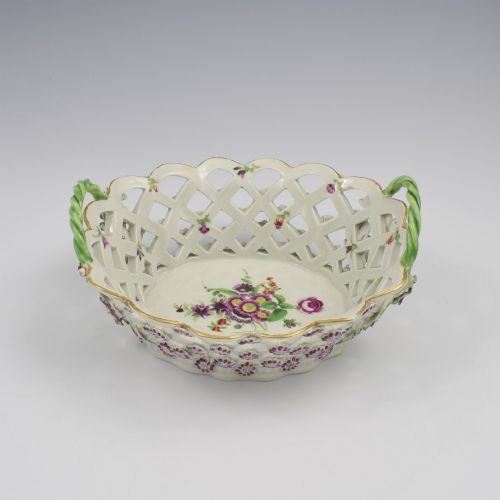
Buyers seeking an antique worcester china bowl encounter forms ranging from early soft-paste porcelain slop bowls and tea bowls to later bone china comports and sugar vessels. The earliest examples include eighteenth-century pieces decorated with Chinese figures, blue and white transfer or enamel patterns, and intricate basketwork.
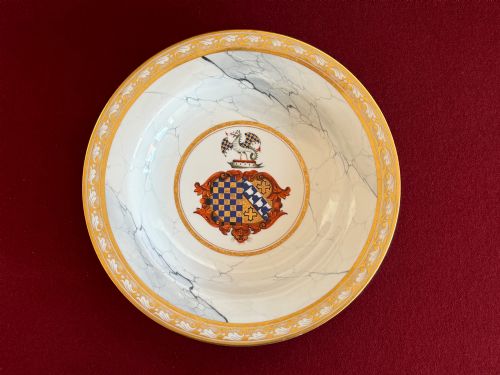
Nineteenth-century items bring Regency designs, armorial plates, and refined wares produced by successive factories including Flight, Barr and Barr. Later twentieth-century pieces often showcase detailed painted fruit compositions signed by notable artists.
The selection on this page demonstrates the evolution of English ceramic production across the Georgian, Regency, Victorian, and later periods. Collectors select these items for their specific decorative schemes, ranging from cobalt glazes to rich gilding.
Materials and manufacture
Early pieces utilise soft-paste porcelain alongside traditional hard pastes, shaped through moulding and throwing before being finished with cobalt glaze or enamel paints. Artisans applied gold leaf and detailed gilding to highlight raised elements and borders.
Later Victorian and twentieth-century items employ bone china as a base for elaborate hand-painted naturalistic scenes. Firing techniques evolved significantly between the eighteenth-century kiln works and the later industrial processes of the Royal Worcester factory.
Assessing quality in Worcester porcelain
Quality rests upon the crispness of the moulded details, the precision of the hand-painted or transfer-printed decoration, and the stability of the glaze. Early pieces with well-defined blue scale grounds or clear polychrome enamels display superior artisanal control.
The sophistication of the gilding and the presence of named artists or specific service commissions elevate individual vessels. Condition, artistic execution during painting, and the clarity of period factory marks determine the standing of each piece.
Dr Wall Worcester·Flight Barr and Barr·Grainger and Co·Royal Worcester
The Antique Worcester China Bowl Glossary
- Soft-Paste Porcelain
- An early ceramic composition fired at lower temperatures than true porcelain, creating a warm, slightly creamy body often found in eighteenth-century pieces.
- Blue and White
- A decorative scheme utilising cobalt blue pigment under the glaze, characteristic of early Worcester tablewares and tea bowls.
- Slop Bowl
- A large bowl used during tea service to discard spent tea leaves or dregs from cups.
- Gilding
- The application of gold leaf or gold paint to ceramic surfaces, frequently utilised on Regency and Victorian services.
- Comport
- A raised dish or bowl used for serving fruit or sweets as part of a formal table setting.
Antique Worcester China Bowl: Frequently Asked Questions
How do I identify First Period Worcester?
First Period pieces date to the eighteenth century under the enterprise founded by Dr John Wall. They typically feature soft-paste bodies with characteristic blue and white designs or early polychrome enamels.
Examination of the base often reveals crescent, disguised numeral, or square seal marks rather than later factory banners. The weight and translucency of the paste further assist in confirming this early production era.
What is a slop bowl used for?
Slop bowls served a practical function during eighteenth and nineteenth-century tea ceremonies. Guests emptied their spent tea leaves and unwanted dregs into the bowl before receiving a fresh pour.
These vessels match the tea bowls and saucers of the same service, forming an essential component of complete dining arrangements.
How should I care for painted fruit bowls?
Painted fruit bowls require gentle handling and should be washed by hand in lukewarm water using mild soap. Avoid soaking pieces with delicate overglaze enamel work or heavy gilding.
Display these items away from direct sunlight to preserve the vibrancy of the hand-painted colours applied by artists.
What distinguishes Flight Period pieces?
Flight Period items date from the era when the Worcester works operated under the ownership of the Flight family, following the eighteenth-century Dr Wall period. These wares frequently display Regency characteristics and refined armorial or landscape painting.
Factory marks from this time often include variations of the name Flight impressed or painted in blue or enamel.