



Antique Wooden Wash Stand
An antique wooden wash stand brings period utility into a modern room, offering clever storage and rich timber grain.
Antique Wooden Wash Stand
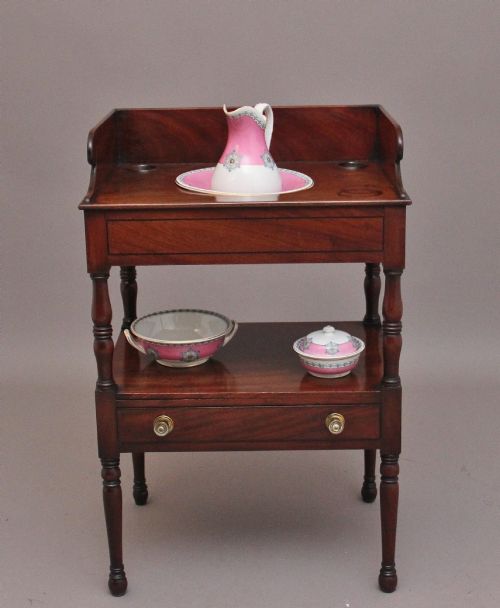
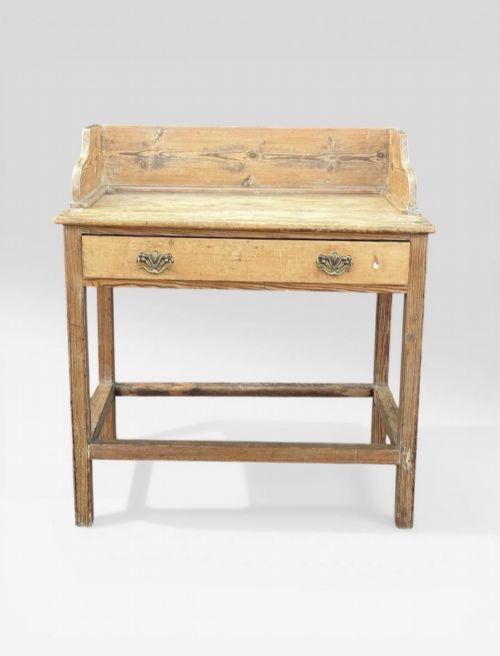
An antique wooden wash stand is a functional piece of bedroom furniture designed during the Georgian, Victorian, and Edwardian periods for morning ablutions. These items range from compact corner models shaped to fit small spaces to larger cabinet versions equipped with stone tops.
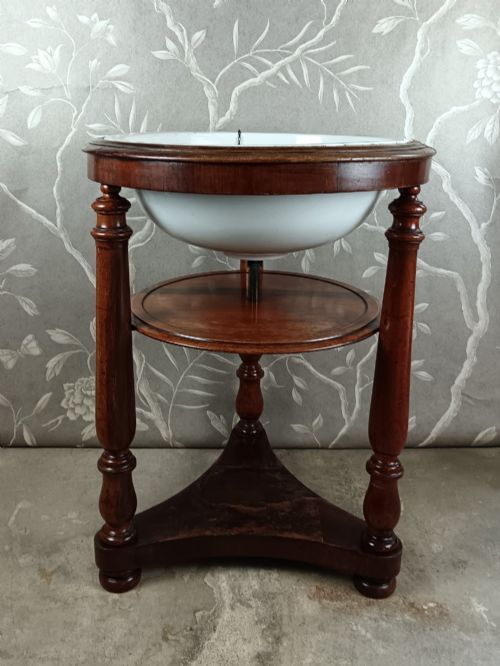
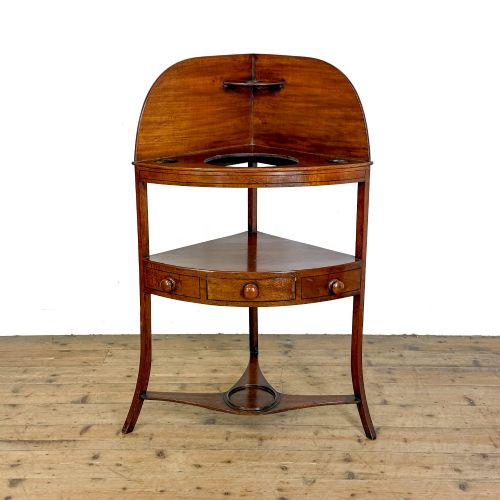
Corner configurations appear frequently among the Georgian pieces, utilising angled designs that saved floor space in period bedchambers. Buyers will also find specialised forms such as round campaign stands and satinbirch cabinets.
How they were made
Cabinetmakers constructed these stands predominantly using solid mahogany, pine, and satinbirch, often incorporating boxwood inlay for subtle surface decoration. Turnery and joinery techniques created sturdy frames capable of supporting heavy basins and ewers.
Later Victorian and Edwardian examples frequently integrated marble tops to resist water damage during daily use. Brass fittings and glass elements appear as functional hardware, while ceramic components sometimes formed part of the interior fittings.
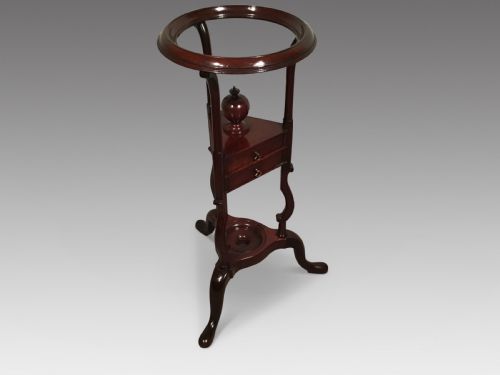
Wash stands occasionally double as wig stands, reflecting the eighteenth-century fashion for powdered hair.
What varies in quality
Quality in an antique wooden wash stand lies in the selection of timber figures and the crispness of the original mouldings. Superior examples display carefully matched grain patterns and restrained inlay rather than excessive ornamentation.
The integrity of the original construction, including unaltered basin apertures and sound timber joints, distinguishes a fine survival from a heavily altered piece. Original surfaces and patination earned through decades of use add depth to the timber.
The Antique Wooden Wash Stand Glossary
- Corner washstand
- A triangular piece designed to fit neatly into the corner of a room, saving valuable floor space. These were popular in Georgian bedchambers.
- Campaign stand
- Portable furniture made for travel, often featuring modular or folding elements. Such items were dismantled easily for transport.
- Satinbirch
- A pale, figured timber favoured by Victorian cabinetmakers for bedroom suites and wash stands. It provides a bright contrast to darker hardwoods.
- Boxwood inlay
- Contrasting pale wood inserted into dark timber surfaces to create geometric borders or motifs. This technique highlights the skill of the maker.
- Marble top
- A stone slab fitted to the upper surface of later wash stands to provide a durable, water-resistant counter. It replaced earlier wooden boards.
Antique Wooden Wash Stand: Frequently Asked Questions
How were antique wooden wash stands used?
These stands held ceramic basins, ewers, and toiletries for morning washing before plumbed bathrooms became standard in homes.
Today, they function well as hallway tables, plant stands, or decorative side tables in living spaces.
Can I use an antique wash stand in a modern bathroom?
Many buyers adapt these stands to hold modern basins, though solid wood surfaces require careful protection from standing water.
Applying appropriate finishes helps preserve the historic timber against daily moisture.
How do I identify a Georgian wash stand?
Georgian examples often feature tripod bases, corner designs, or elegant mahogany framing with slender legs.
They tend to be lighter in scale than their heavy Victorian successors.
What is the difference between Georgian and Victorian models?
Georgian versions focus on graceful proportions and timber grain, often designed for corners or as wig stands.
Victorian pieces frequently appear heavier, incorporating marble tops, cupboards, and satinbirch finishes.
Are corner wash stands practical for small rooms?
Their angled shape allows them to tuck tightly into unused room angles while providing a useful surface.
They occupy minimal floor space compared to standard rectangular tables.