





Antique Wooden Tool Box
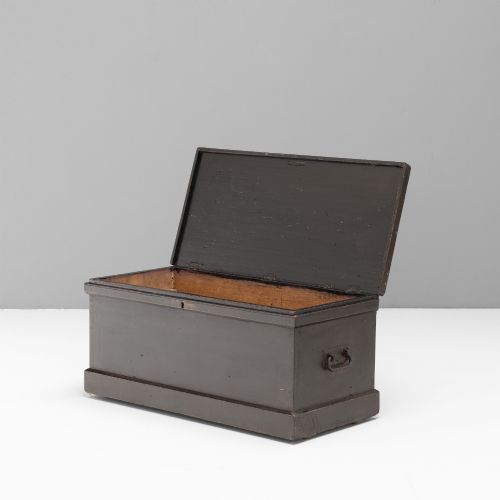
An antique wooden tool box is a sturdy receptacle built for trade work, carrying the honest scars of centuries of manual labour.
Antique Wooden Tool Box
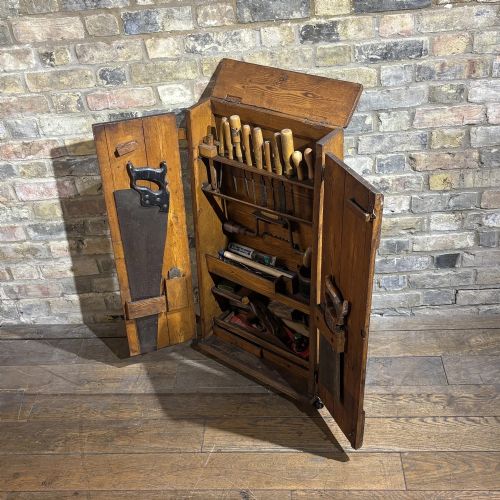
When you search for an antique wooden tool box, you are looking at utilitarian containers built by tradesmen, cabinet makers, carpenters, and shipwrights to store and transport their working equipment. These pieces survive from the Georgian, Victorian, and Edwardian eras, reflecting the heavy manual trades of their time.
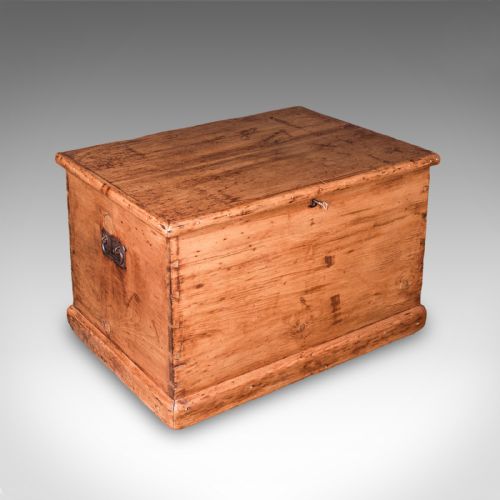
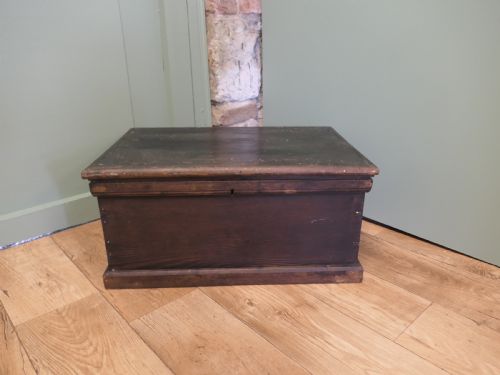
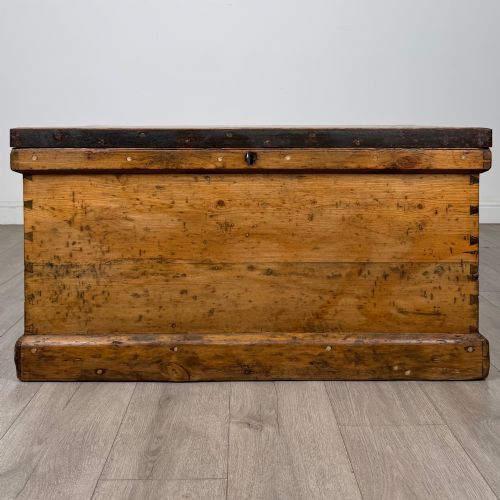
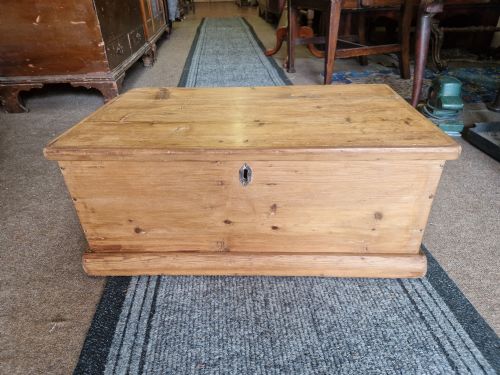
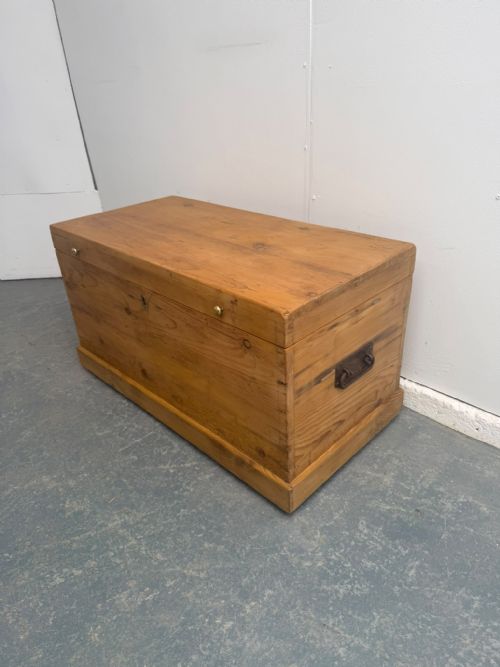
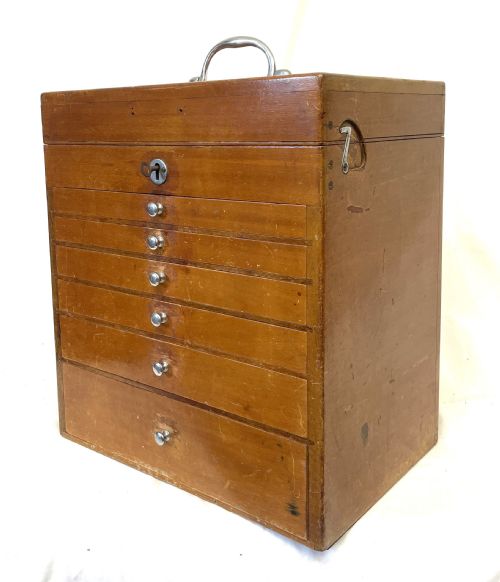
The version you are most likely to meet on this page is a pine carpenter's chest or trunk, frequently fitted with internal trays, till boxes, and specialised compartments. Alongside these utilitarian pine trunks, you will find more refined examples executed in mahogany, walnut, fruitwood, and teak, often associated with maritime use or specialised craft cabinets.
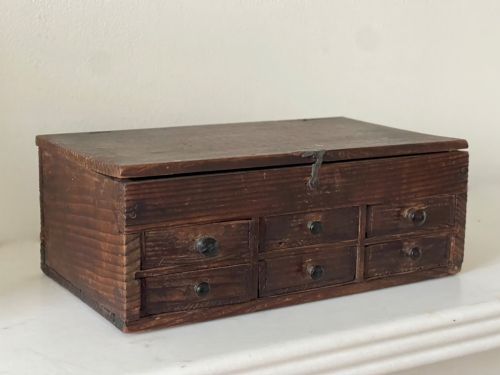
Many of these chests originate from country houses, workshops, and naval settings, bearing the scumble finishes, original paint, or dark wax surfaces accumulated through decades of use. Their structural forms range from simple lidded boxes to elaborate multi-drawer cabinets designed for portable workshops.
Materials and construction methods
Construction relies heavily on durable softwoods and hardwoods, principally pine, pitch pine, mahogany, and walnut, chosen for their ability to withstand heavy daily handling. Joinery is robust, utilising dovetailed corners and solid timber panels designed to endure the weight of iron tools and brass fittings.
Hardware plays a structural role in these pieces, incorporating heavy iron drop handles, brass carrying brackets, and working locks with keys. Surfaces are finished with simple wax, dark polish, scumble paint, or left as bare timber, recording the honest wear of the workman's shop.
Antique Wooden Tool Box Retail Price Guide 2026
Typical asking prices for wooden tool box among the pieces listed under this phrase on Sellingantiques today, from the lower quarter to the upper quarter. They describe what is for sale here now, not the wider market.
A nineteenth-century boxwood pill rounder set reminds us that craftsmen once shaped medicines by hand.
Evaluating quality in workman's chests
Quality in these utilitarian pieces rests upon the complexity of the internal fitting and the integrity of the original construction. Simpler pine trunks rely on straightforward dovetailing and robust lids, while master chests feature intricate internal till arrangements, multiple small drawers, and bespoke compartments tailored for specific trades.
The survival of original surface treatments, working locks, and heavy-duty brass or iron carrying hardware distinguishes superior examples. Pieces that retain their fitted interior trays and untouched patination sit at the upper end of the range, showing little structural alteration since their working life.
Holtzapffel and Co·Gnome Et Le Rhone Engine Company·Faudels of London
The Antique Wooden Tool Box Glossary
- Till box
- A small lidded compartment built inside a larger chest, typically used to store smaller items like nails, chalk, or marking gauges. It sits elevated within the interior cavity.
- Scumble pine
- Pine treated with a translucent glaze dragged over a lighter base coat to imitate more expensive grained timbers like oak or walnut. It was a popular decorative technique in the nineteenth century.
- Dovetail
- A joint formed by interlocking wedge-shaped fingers, prized for its exceptional tensile strength in box construction. It resists pulling apart under heavy loads.
- Brass bound
- A chest reinforced at the corners and edges with brass strips to protect against heavy impacts during transit. This method is frequently seen on maritime and campaign pieces.
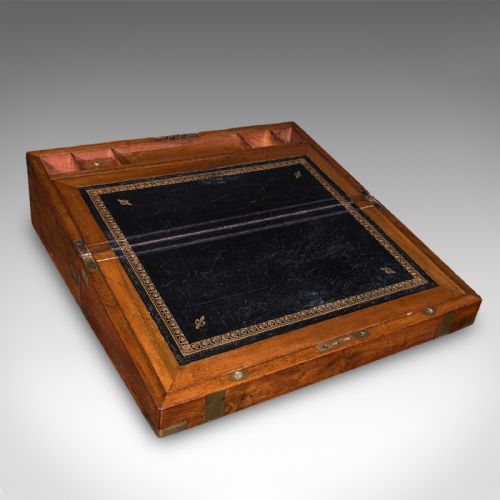
- Writing slope
- A portable desk featuring a hinged sloping lid that opens to reveal a velvet or leather writing surface and internal stationery compartments.
Antique Wooden Tool Box: Frequently Asked Questions
What were antique wooden tool boxes used for?
These chests served as portable workshops for carpenters, joiners, shipwrights, and cabinet makers to securely store and transport their hand tools. They kept expensive steel tools protected from dampness and theft on construction sites and in workshops.
Over time, many survived simply because their heavy timber construction made them too durable to discard. Today, their robust design adapts easily to modern storage or display uses.
How do I tell a Georgian tool box from a Victorian one?
Georgian examples often feature finer cabinet timbers like mahogany and more refined internal joinery suited to precision trades. Their hardware tends to be hand-forged iron or brass with distinct period casting.
Victorian and Edwardian versions lean heavily toward utilitarian pine with robust dovetailing, iron drop handles, and scumble finishes. They frequently show heavier industrial wear from factory and workshop use.
How should I clean an old pine tool chest?
Maintenance should focus on preserving the aged patination rather than stripping away the history held in the surface. Gentle dusting and occasional application of traditional beeswax help nourish dry timber without removing scuffs and paint.
Avoid modern harsh chemical solvents or aggressive sanding, which destroy the authentic workman's finish. The bumps and marks form part of the object's historical record.
Can I use an antique tool chest as a coffee table?
The flat top, sturdy construction, and low profile of many carpenter's chests make them well-suited for living room placement. Their internal space provides hidden storage for books, blankets, and household items.
Ensure the lid is stable and secure before placing items on top. Their original height varies, so check dimensions against your seating arrangements.