

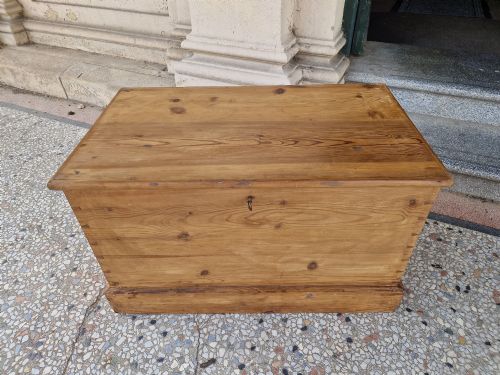
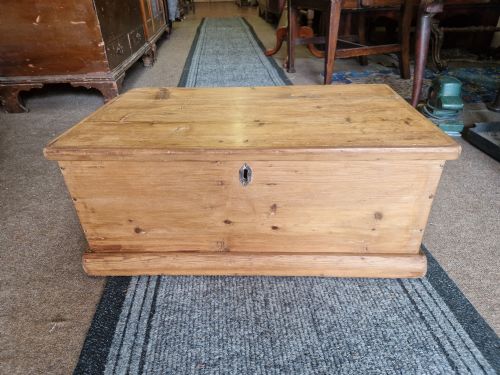
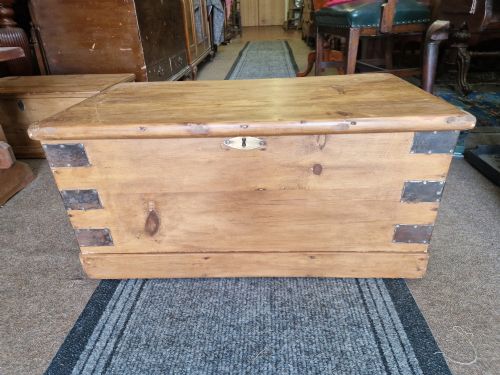
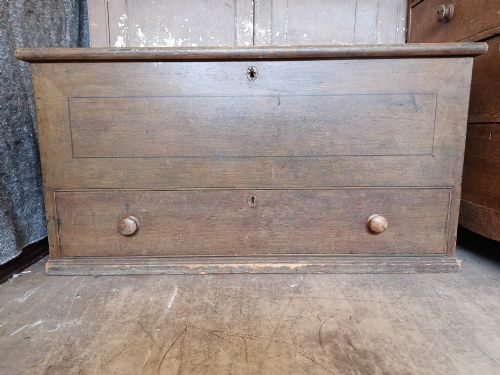
Country Pine Coffer Chest
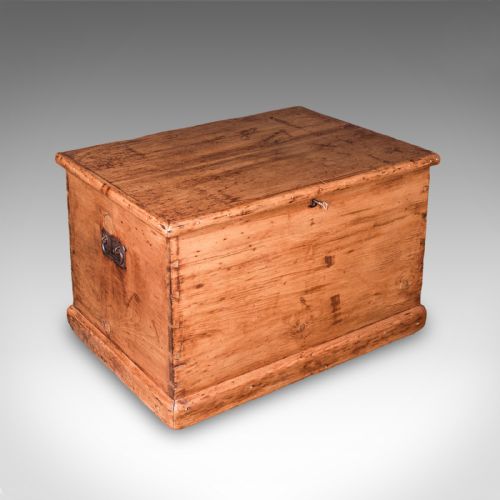
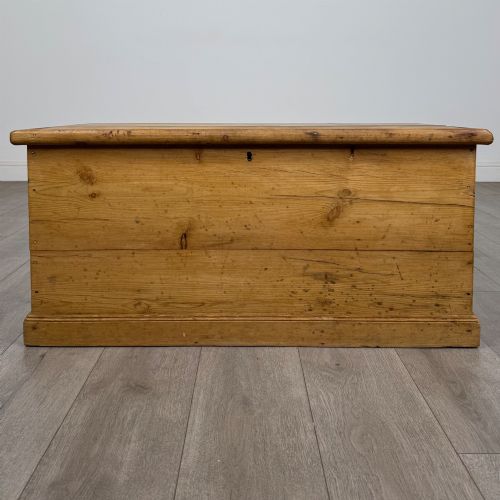
A country pine coffer chest brings honest utilitarian storage into a room, offering robust timber construction built to hold household textiles and belongings.
Country Pine Coffer Chest
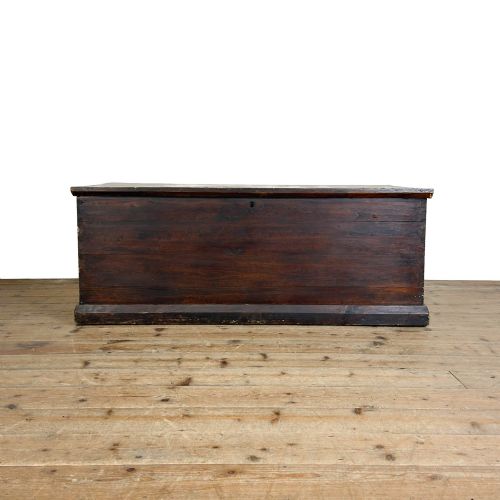
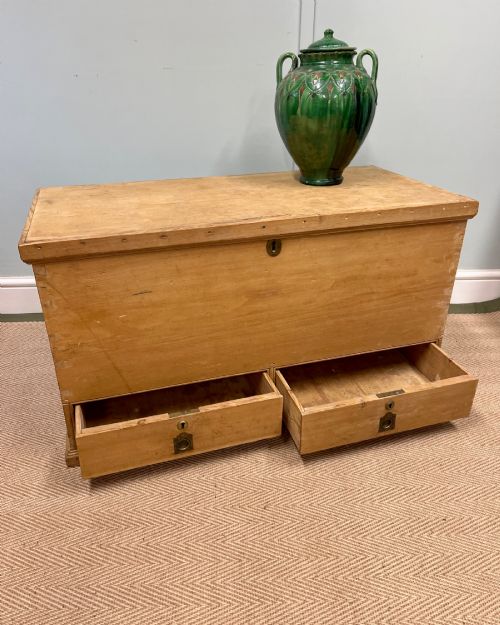
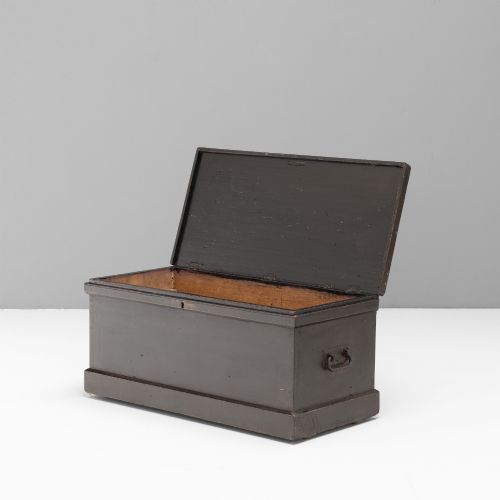
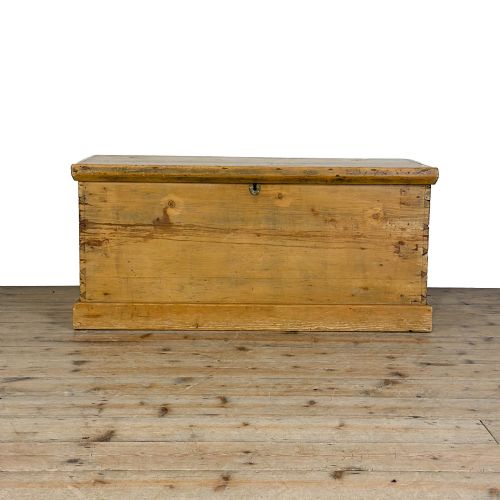
A country pine coffer chest serves as a traditional storage trunk or blanket box, originating from domestic and farmhouse settings where sturdy furniture was a daily necessity. These pieces function primarily as heavy-duty blanket boxes, mule chests fitted with lower drawers, or simple storage trunks designed to withstand generations of household use.
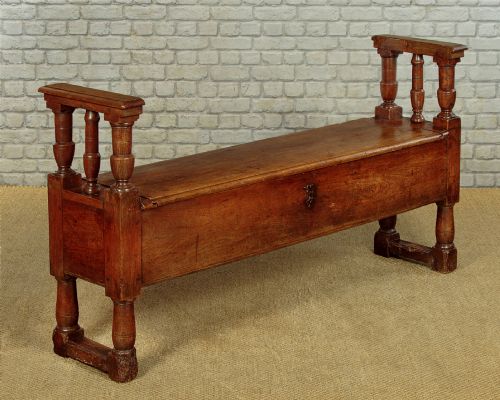
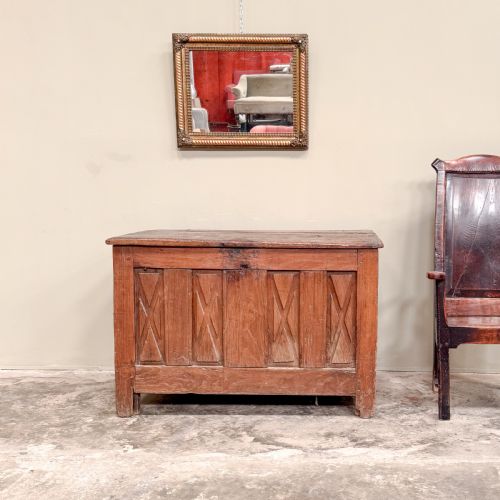
The items found here span multiple periods, with Victorian examples and 19th-century pieces appearing most frequently alongside earlier Georgian and 18th-century forms. Regional variations range from English country house trunks and Welsh storage boxes to Scandinavian marriage chests and Hungarian coffer boxes.
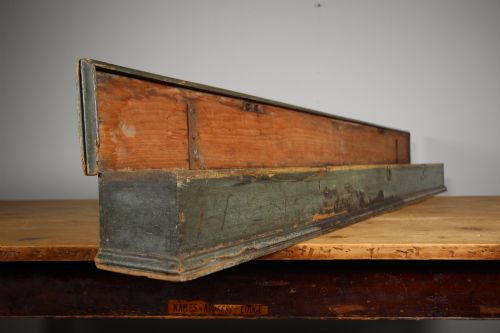
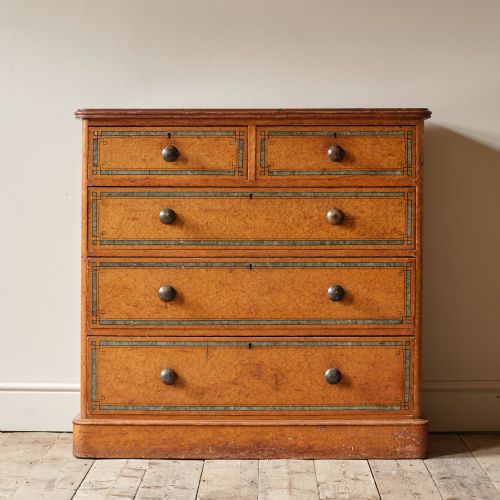
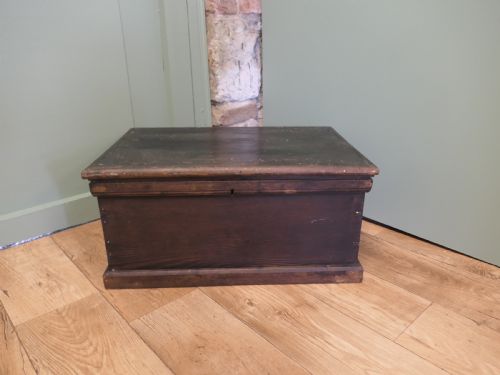
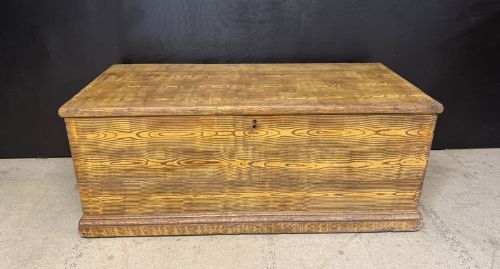
Construction types vary from plain lidded boxes with side handles to more elaborate mule chests featuring multiple drawers beneath the primary compartment. Buyers encounter both stripped natural timber surfaces and examples retaining their original painted finishes, grained decoration, or iron banding.
Materials and Construction Methods
Makers constructed these chests primarily using solid pine, relying on its accessibility and workability for everyday domestic furniture. Carpenters frequently joined thick boards with dovetail or pegged joints to ensure the primary carcass could handle heavy loads without separating.
Hardware played a functional role in the manufacturing process, with blacksmiths and joiners adding iron strapwork, hinges, and side carrying handles to reinforce the structure. Surface treatments varied between simple wax finishes that nourished the timber and protective layers of paint, stained coatings, or folk art decoration.
Country Pine Coffer Chest Retail Price Guide 2026
Typical asking prices for country pine coffer chest among the pieces listed under this phrase on Sellingantiques today, from the lower quarter to the upper quarter. They describe what is for sale here now, not the wider market.
Swedish marriage chests carried painted decoration and initials designed to bring good fortune to rural newlyweds.
Assessing Craftsmanship and Condition
Quality in a country pine coffer chest relates directly to the integrity of its joinery and the survival of its original structural elements. Finer examples display tight dovetail construction, robust base mouldings, and functional bracket feet or integrated plinths that remain true to the maker's intent.
The preservation of original surface treatments significantly influences the character of a piece, whether that involves an untouched painted finish, grained decoration, or a deeply patinated waxed pine skin. Later alterations, replaced hardware, or heavily sanded timber distinguish heavily restored trunks from those retaining their authentic period surfaces.
The Country Pine Coffer Chest Glossary
- Coffer
- A heavy wooden chest traditionally used for storing valuables, linens, or documents. These sturdy boxes often feature hinged lids and robust side handles for transport.
- Mule Chest
- A storage chest featuring one or more drawers built into the base beneath the primary lifting lid compartment. This form bridges the gap between a traditional blanket box and a chest of drawers.
- Blanket Box
- A deep chest designed specifically for holding woollen blankets, quilts, and heavy textiles. They sit low to the ground and provide substantial internal storage capacity.
- Bracket Feet
- Small architectural supports attached to the bottom corners of a chest, elevating the main body off the floor. They lift the heavy pine carcass and add refined proportion to the design.
- Dovetail Joint
- An interlocking corner joint formed by interlocking wedge-shaped fingers. This method provides exceptional tensile strength without requiring modern metal fasteners.
Country Pine Coffer Chest: Frequently Asked Questions
What is a country pine coffer chest?
A country pine coffer chest is a utilitarian wooden storage box built during the eighteenth or nineteenth centuries for domestic use. These pieces served farmhouses and country homes as heavy-duty receptacles for blankets, clothes, and household goods.
Today, they function as practical coffee tables, bedroom storage units, or hallway benches. Their simple lines and durable timber construction suit both traditional and contemporary interiors.
How do I date an old pine chest?
Dating involves examining the construction techniques, hardware, and timber characteristics used in the piece. Hand-cut dovetails, hand-forged iron hinges, and early tongue-and-board joinery typically point towards the eighteenth or early nineteenth century.
Later Victorian examples often display more uniform machine-sawn components and standardised hardware. Original painted surfaces or period dealer labels can also provide clues to a chest's exact manufacturing era.
What is the difference between a coffer and a mule chest?
A standard coffer or blanket box consists of a single deep compartment accessed solely through a hinged top lid. Users must lift the lid and reach downward to access stored items.
A mule chest incorporates one or more drawers built into the base beneath the main compartment. This innovation allowed owners to retrieve smaller items without having to clear objects off the top of the chest.
How do I care for waxed pine furniture?
Maintaining waxed pine requires regular applications of natural beeswax to nourish the timber and protect the surface from drying out. Avoid placing these chests near direct heat sources or in areas with high humidity to prevent the pine from warping.
Gentle dusting with a dry or slightly damp cloth preserves the accumulated patina without stripping away the historical surface character.