

Antique Wooden Storage Sideboard
An antique wooden storage sideboard offers substantial domestic utility, uniting period character with deep timber cupboards and drawers for modern dining rooms.
Antique Wooden Storage Sideboard
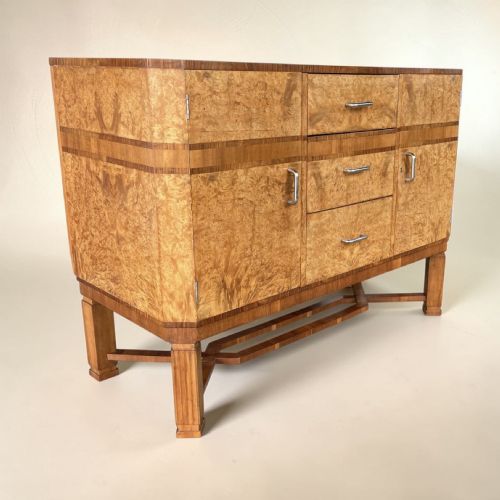
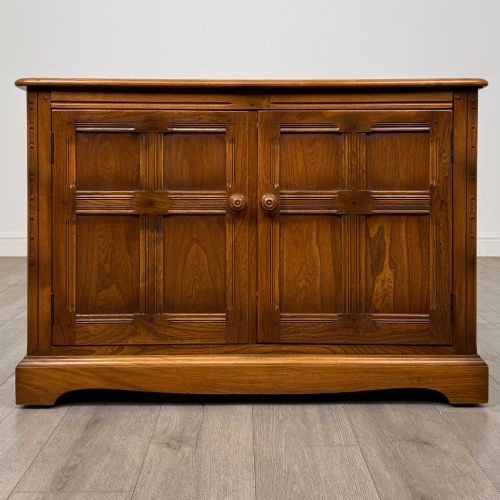
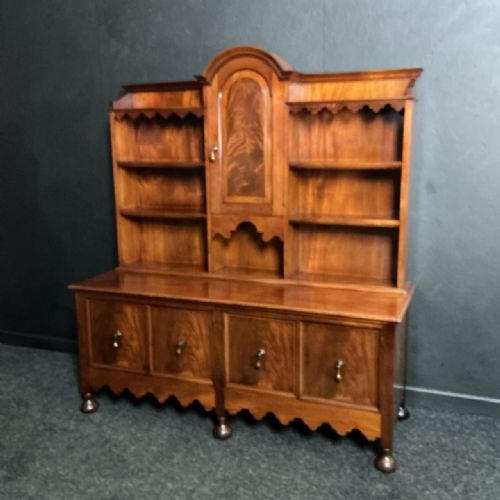
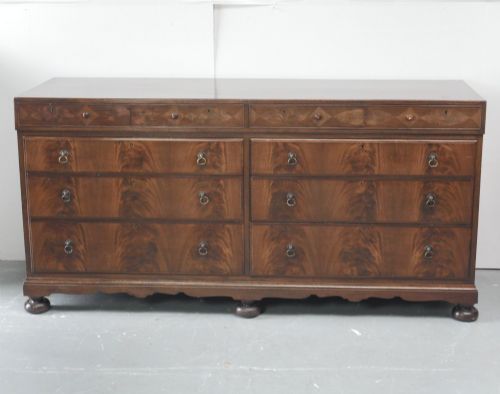
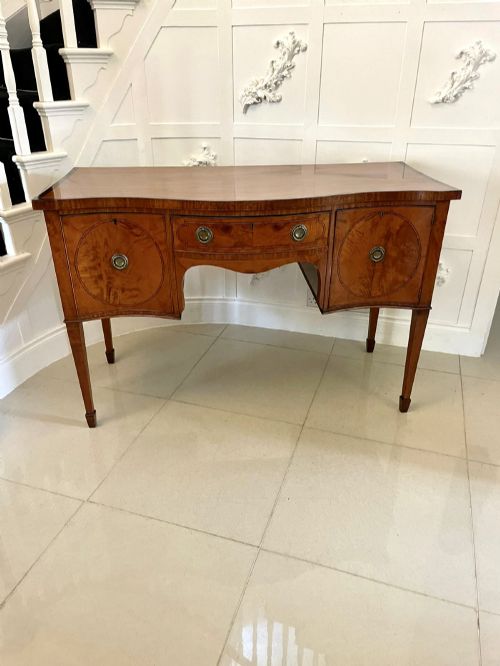
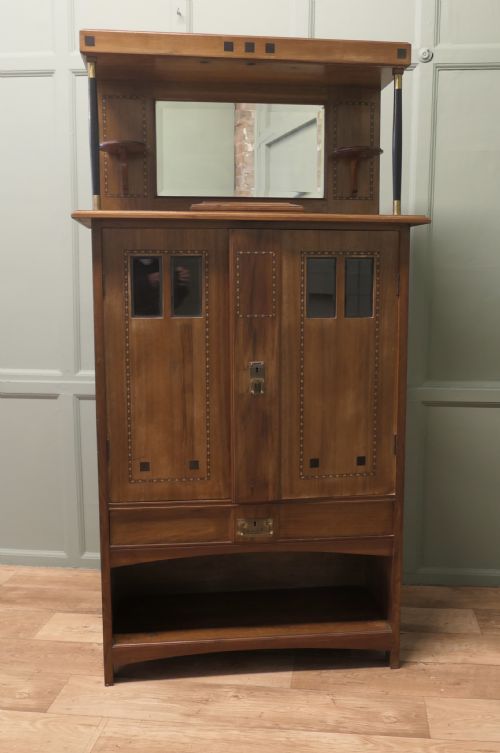
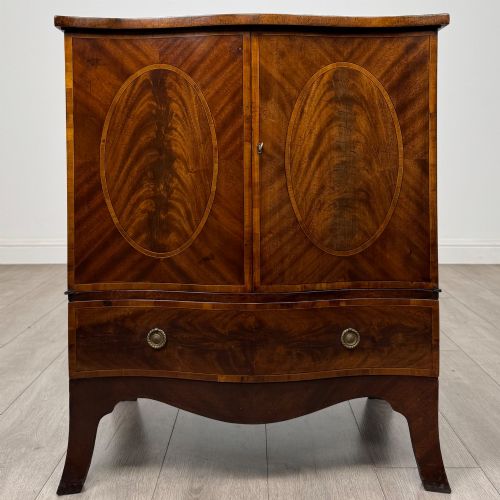
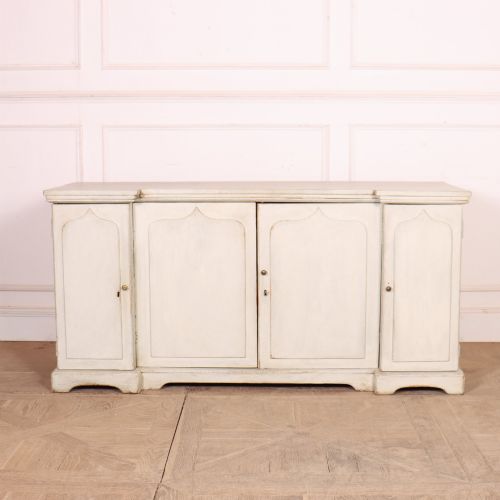
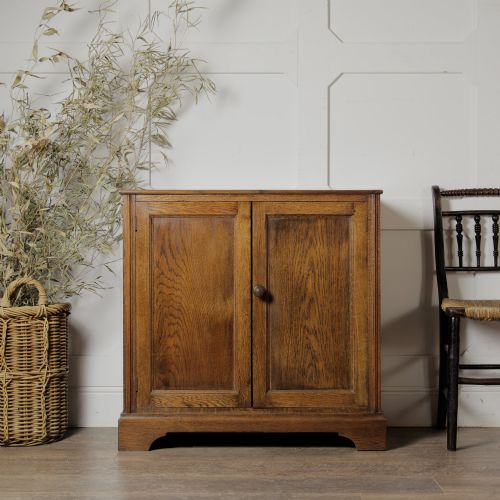
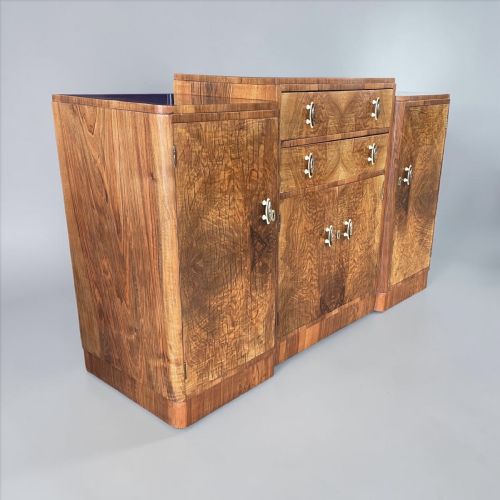
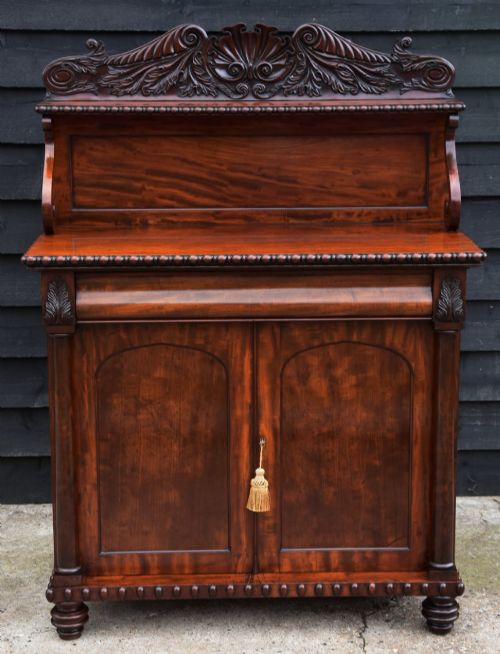
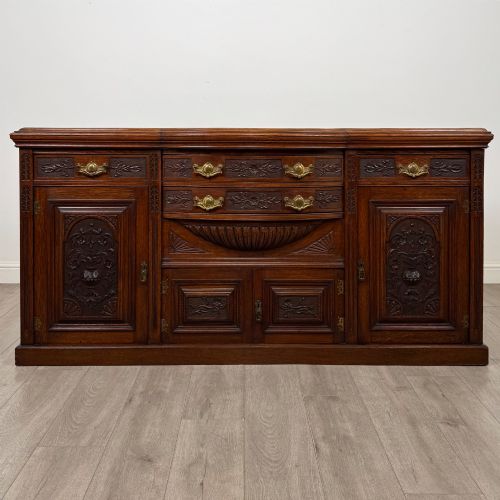
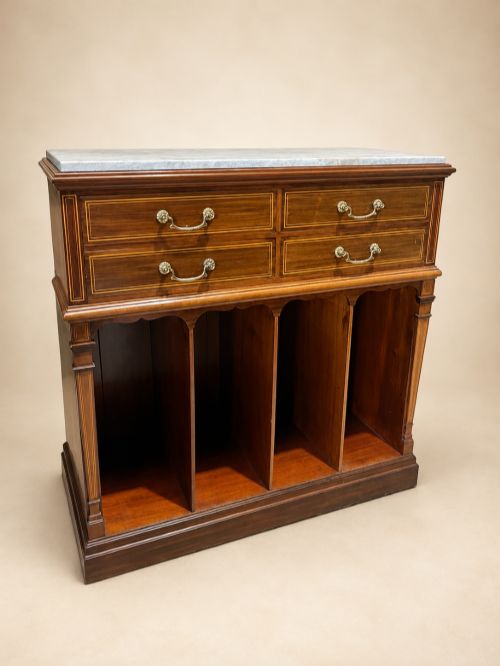
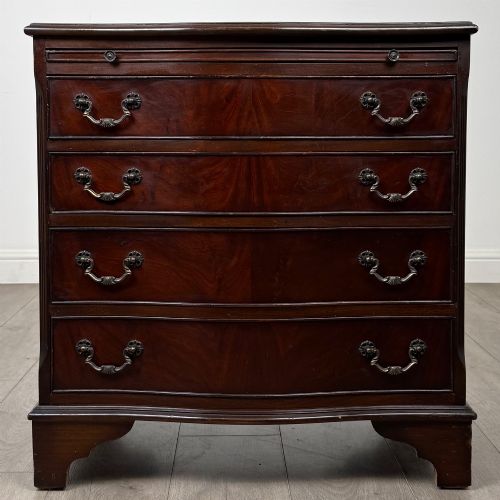
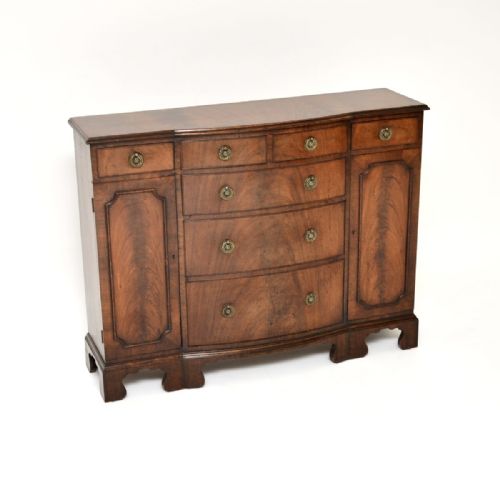
An antique wooden storage sideboard encompasses diverse dining room and living space furniture designed for holding tableware and linen. The pieces span periods from the Georgian era through to the Edwardian and Art Deco decades, offering varied cupboard and drawer configurations.
Mahogany and oak dominate the forms, frequently appearing as low cupboards, breakfront units, and chiffoniers. Buyers encountering this selection will find robust craftsmanship rooted in practical domestic service.
Regional variations include English country pieces, Welsh oak furniture, and continental sideboards. Each form reflects the specific storage demands of its original household.
How they were made
Cabinet makers utilised dense hardwoods such as mahogany, oak, and burr walnut, often pairing primary display surfaces with sturdy secondary timbers. Construction relied on traditional joinery, dovetailing drawer boxes and housing panels to accommodate seasonal wood movement.
Surface finishes range from waxed pine and polished mahogany to carved detailing and inlaid veneers. Brass hardware, iron fixtures, and occasional marble tops complete the structural composition of these functional storage pieces.
Certain historic pieces include specialised dog kennel compartments built into the central lower section.
What varies in quality
The degree of refinement in timber selection and carving dictates the standing of a sideboard. Superior examples display carefully matched grain patterns across drawer fronts and doors, whereas utility pieces rely on plainer construction.
The integrity of the original hardware and the crispness of moulded details separate standard workshop production from finer cabinet work. Structural soundness in the drawer linings and backboards further defines the calibre of each piece.
Whytock & Reid
The Antique Wooden Storage Sideboard Glossary
- Breakfront
- A cabinet design where the central section projects forward from the recessed outer sections. This architectural arrangement creates visual depth and varied internal storage.
- Chiffonier
- A compact sideboard or low cupboard featuring a shelf or small superstructure on top. Originally developed in the nineteenth century for serving food and storing silver.
- Bowfront
- A convex, curved front elevation popular on chests and sideboards during the Georgian and Edwardian periods. This shape softens the room's geometry while maintaining deep internal capacity.
- Serpentine
- A horizontally undulating front shape with a convex centre flanked by concave wings. This flowing profile demands advanced woodworking skill.
- Dresser Base
- A low, heavy wooden table form fitted with drawers and cupboards beneath a solid top. These pieces originated in farmhouse kitchens before entering formal dining spaces.
Antique Wooden Storage Sideboard: Frequently Asked Questions
How do I date an antique sideboard?
Dating relies on examining the timber species, construction methods, and prevailing stylistic details. Georgian and Regency pieces often feature straight mahogany grains and hand-cut dovetails, while Edwardian and Art Deco versions introduce lighter oak or geometric inlays.
Hardware styles, drawer linings, and secondary woods provide further clues to pin down the decade of manufacture.
How do I care for a wooden sideboard?
Maintain the timber by keeping the piece away from direct heat sources and sudden temperature fluctuations. Regular dusting with a dry cloth prevents particle build-up on carved surfaces.
Apply traditional beeswax periodically to nourish polished mahogany or oak without sealing the wood grain.
Where were sideboards traditionally placed?
Sideboards traditionally stood against dining room walls close to the dining table for easy service during meals. They held serving dishes and accommodated the transfer of food from the kitchen.
Modern interiors use them similarly in dining rooms, living spaces, and hallways for general domestic storage.